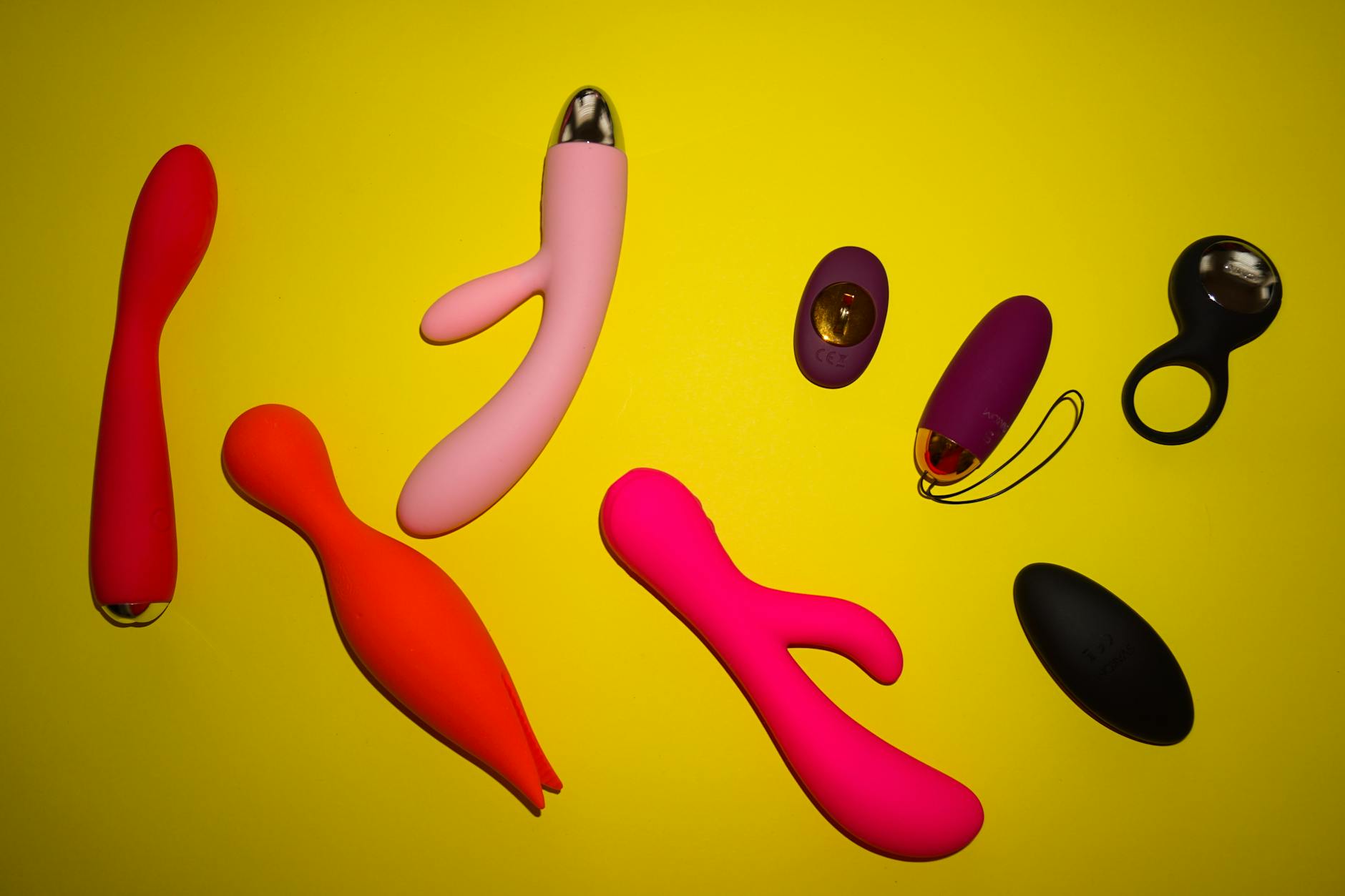
How to Use Lemon Vibrators When Arousal Takes Longer to Build
Your body isn't broken if it takes 20 minutes instead of 5. Here's exactly how lemon clitoral vibrators fit into slow arousal, why the timing matters, and how to work with your body instead of against it.
Honestly, there's nothing wrong with your body if arousal feels slow. What's wrong is the cultural script that insists it should happen in five minutes flat. The average person with a clitoris needs 10 to 20 minutes of consistent stimulation before the nervous system fully engages. That's not a flaw. That's biology.
Here's what changes over a lifetime. In your 20s, arousal might kick in fast because everything is novelty and hormones are running high. In your 30s and 40s, as stress accumulates and routine sets in, the ramp-up slows. This is especially true after major life events, during hormonal shifts, or when you've been in a relationship long enough that the automatic spark fades. It's not that you're less capable of pleasure. It's that your nervous system now requires a different setup to get there.
And here's the twist: slow arousal often means deeper, more intense pleasure once you're fully there. You're not losing anything. You're gaining complexity.
There's a critical distinction most people miss. Slow arousal (your body takes 15-20 minutes to fully respond) is completely different from low desire (you don't want sex, period). Confusing the two creates unnecessary anxiety, which then actually tanks desire.
When arousal is slow, your interest might be totally present. Your body just needs more runway. You might be thinking about sex, feeling emotionally connected, wanting your partner or yourself, but your clitoris and vulva are taking their time catching up. This is normal after stress, after surgery, during certain phases of your cycle, or just because that's how your wiring works.
Low desire is the absence of interest. You don't want sex, and no amount of foreplay is going to change that without addressing what's underneath. Different problem. Different solution. The first thing to figure out: are you slow to arouse, or are you not interested? Once you know, everything else gets easier.
Lemon clitoral vibrators like the Lem work particularly well for slow arousal because of how they stimulate. Traditional vibrations can feel harsh if you're not fully aroused yet. The suction-based technology in lemon toys creates a gentler, more gradual engagement of nerve endings. You're not forcing arousal. You're coaxing it.
The suction mechanism also creates consistent, predictable stimulation. Your body doesn't have to wait for variable sensation. It gets to settle into a rhythm, which is exactly what a slowly-building nervous system needs. Once you're 10 minutes into suction at a low intensity, arousal usually accelerates naturally. Your tissues engorge, lubrication increases, and the threshold for pleasure drops.
That's the key insight: lemon clitoral vibrators aren't about forcing intensity. They're about creating the right environment for your body to wake up on its own timeline.
If slow arousal is your reality, here's a framework that actually works.
Start 5-10 minutes before you plan to use a vibrator. This could be kissing, touching, mental focus, or just lying quietly with your partner or alone. Your job isn't to get aroused yet. It's to signal to your nervous system that pleasure time is coming. This sounds small, but it's actually crucial. You're essentially saying to your body, "Okay, we're shifting gears now."
Once you pick up your lemon vibrator, start at the lowest setting. If your Lem has five intensity levels, begin at level one or two. Place it against your clitoris and don't chase sensation. Let the suction do the work. Many people move the toy around too much early on. Resist that urge. Stillness is your friend here.
Stay at low intensity for a full 5-8 minutes. This is where the magic happens. Your tissues are beginning to respond, blood flow is increasing, and your nervous system is realizing this is safe and good. You might not feel dramatically different. That's okay. You're still building.
After 5-8 minutes, if you want more sensation, move up to intensity level three. Stay there for another few minutes. Only increase intensity when your body is asking for it, not when you think you should be at a certain level by now.
Total timeline: 15-20 minutes from first touch to full arousal. That's not slow. That's actually standard for many bodies. And if it takes 25? Same deal. You're working with your timeline, not against it.
Minutes 0-5: Warming up. You might notice slight tingling, increased awareness, maybe a little lubrication starting. This isn't "enough" yet and it doesn't need to be. You're laying groundwork.
Minutes 5-10: Building. Sensation is becoming more noticeable. You might feel a deepening of pleasure, more genital awareness, maybe a little relaxation in your shoulders you didn't notice was tense. Your clitoris is engorging. This is where many people make the mistake of jumping to high intensity. Don't. You're not done cooking.
Minutes 10-15: Shifting. Your body is now clearly responding. Lubrication is better, sensation is more defined, you're starting to feel like you might actually reach orgasm. This is often where intensity increase makes sense if you want it.
Minutes 15-20+: Ready or there. By now, arousal is complete and you're either close to orgasm or already there. If orgasm doesn't arrive, that's fine too. Pleasure without orgasm is still pleasure. The goal was arousal, and you got there.
Sometimes slow arousal is just how your body works. Sometimes it's pointing to something else that needs attention. The difference is context. If your arousal has always been slow and you're happy with the experience once you get there, you're fine. You just need the right setup, which lemon vibrators provide.
If slow arousal is NEW, or if you're not enjoying the experience even after reaching full arousal, pay attention. That can signal stress, relationship tension, hormonal changes, or even medication effects. For instance, how lemon vibrators help when you're rebuilding pleasure after depression covers what to do if arousal slowdown comes alongside depression symptoms. If your partner has a different arousal timeline, mismatched arousal timings and lemon vibrators offers real strategies for bridging that gap.
But if slow arousal is just your normal, and once you're there you feel great? Lean into the lemon clitoral vibrator approach and give yourself permission to take 20 minutes. That's not wasted time. That's foreplay.
If you're with someone, slow arousal sometimes creates friction. They want to move forward. You need more time. This becomes especially fraught if the faster partner interprets your slow arousal as disinterest in them. It's not. It's your nervous system's timeline.
The conversation that helps: "My body takes about 20 minutes to fully engage, and that's normal for me. That doesn't mean I'm not interested. It means I need a little more runway. When I use a lemon vibrator at a low setting, that runway feels much better."
If they're willing, invite them to stay present during that 15-20 minute ramp-up. They can kiss you, touch you, talk to you. Or they can give you space and then reconnect. Either works. The point is naming the timeline so it stops feeling like a failure.
Some people find that slowing down together actually improves their experience. The partner learns to enjoy foreplay as the main event instead of a means to an end. Arousal deepens across both bodies. Sex becomes longer and more connected. This doesn't sound like a problem once you reframe it.
Give yourself 5-10 minutes of non-vibrator stimulation or mental engagement first, then introduce the vibrator at low intensity and stay there for at least 5-8 minutes. This creates a smoother arc instead of a sudden jolt. You're essentially giving your nervous system a heads-up that pleasure is coming.
No. Erectile dysfunction refers to the inability to achieve or maintain arousal in the genital tissues specifically. Slow arousal means your body takes longer to respond, but it does respond. If you can eventually achieve arousal and it feels good, you don't have a disorder. You have a timeline. Disorders involve distress and dysfunction. If you're happy once you get there, you're fine.
Both. The suction mechanism in lemon clitoral vibrators engages nerve endings more efficiently than friction-based vibration alone. That means your nervous system can fully activate in less total time. You're not forcing it. You're giving your body the right tool to respond naturally. Some people still take 20 minutes. Others move from 25 to 15. The vibrator doesn't change your body's baseline, but it does optimize it.
First check: are you stressed, distracted, or not actually interested in sex right now? If yes, the vibrator won't fix that. Take a break. Arousal isn't something to force.
If you are interested and present but sensation isn't building, try moving the vibrator slightly rather than holding it static. Sometimes a small shift in angle or placement wakes things up. Also make sure you're adequately lubricated. Water-based lubricant helps tissues respond. If nothing works after another 5 minutes, that's permission to stop. Not every session is a winner. That's normal.
Actually the opposite, often. Slower arousal that reaches full engagement frequently creates deeper, more full-body orgasms than quick arousal does. Your tissues are fully engorged, your nervous system is fully activated, and you have more sensation to work with. The patience pays off.
Completely. Arousal timing shifts with stress, age, hormones, relationship status, and life events. What took 5 minutes at 25 might take 15 at 40. That's not decline. That's just change. And honestly, the 40-year-old version often has better orgasms because they know their body better and they have better tools like lemon vibrators. Don't mourn the fast arousal. Optimize for the arousal you actually have now.
Your body isn't broken if it takes time. Arousal delay is one of the most common experiences people have, and it's almost never talked about because there's this weird shame around it. The cultural narrative says sex should be quick and effortless, so when yours takes 20 minutes, you assume something's wrong.
Nothing is wrong. You just need the right setup, the right timing, and a lemon vibrator that works with your nervous system instead of against it. Give yourself that gift. You deserve pleasure on your body's timeline, not on someone else's script.