Let's talk about what depression actually does to desire
Depression doesn't just make you sad. It reaches into your nervous system and tells it that nothing feels good anymore. Food tastes like cardboard. Music feels like noise. Touch, even affectionate touch, can feel like pressure instead of comfort. Your body forgets what pleasure is supposed to feel like.
When you're depressed, your brain produces less dopamine and serotonin. These aren't just "mood chemicals." They're the same neurotransmitters that fire when you experience physical pleasure. No wonder your body feels numb. It's not laziness or brokenness. It's neurobiology.
Most conversations about recovering from depression focus on getting out of bed, eating, moving. All crucial. But nobody talks about rebuilding pleasure as part of recovery, and it is. Studies show that pleasure capacity is one of the last things to return after depression lifts. Which means if you're waiting to feel desire before you explore pleasure again, you might be waiting forever.
Why sensation return is slow and that's okay
Your nervous system doesn't flip a switch. It gradually recalibrates. In early recovery, even things that used to feel amazing might feel flat. Your body hasn't learned to feel again yet. That's normal. It's also temporary.
What helps speed the process up is gentle, consistent reintroduction to sensation. Not forcing yourself to have sex or feel aroused. That creates shame and pressure, which makes the nervous system clamp down harder. Instead, giving yourself permission to explore touch without expectation. To let your body remember pleasure at its own pace.
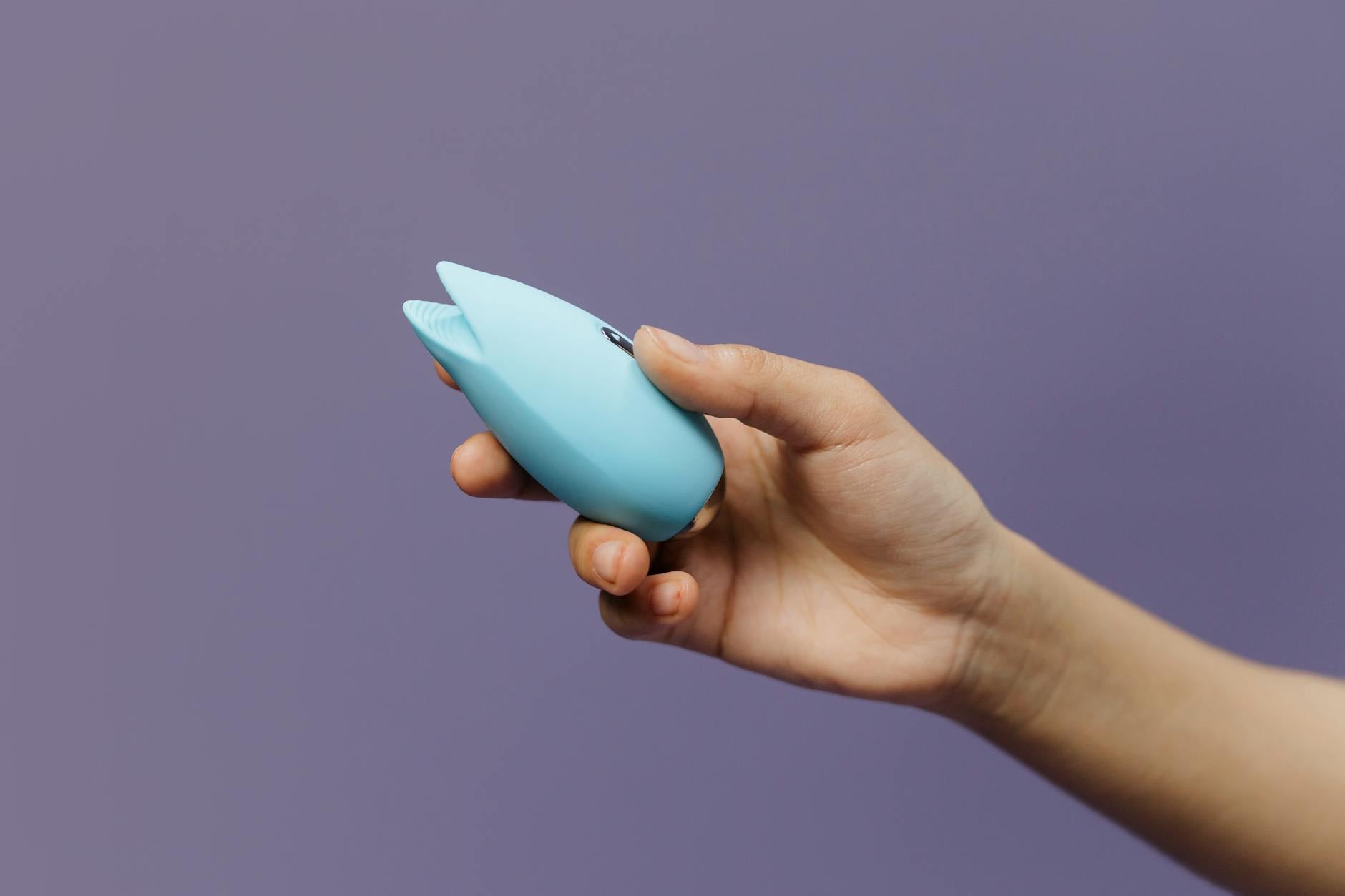
This is where clitoral vibrators, especially air-suction devices like the lemon clitoral vibrator from Nancy Lemontoy, become genuinely useful. They're not aggressive. They don't require you to "perform" arousal. They work with your body's current capacity, not against it.
How suction stimulation differs from vibration when you're numb
When you're rebuilding sensation, aggressive vibration can feel like too much, too fast. Your nervous system is already overstimulated by everything. The last thing it needs is more input.
Suction works differently. Instead of pounding or buzzing, it creates a gentle rhythmic pull on tissue. This stimulates the clitoral nerve network without the percussion that can feel overwhelming. Many of my clients describe it as "calling my body back to attention" rather than "demanding pleasure."
The Lem and similar lemon sexual toys start at low intensities for exactly this reason. You can begin at pattern one. Just a whisper. Many people recovering from depression report that this gentleness is what made reconnection possible. Not because it's a magic tool, but because it didn't demand anything from them.
You're also in complete control. You can stop anytime. No partner rhythm to match. No performance pressure. That autonomy matters enormously when you're rebuilding trust with your own body.
The nervous system reset that comes with solo exploration
When depression has flattened you, exploring pleasure alone is different than with a partner. There's no one to impress. No one to worry about. You're simply learning what your body still responds to and building a new relationship with sensation.
During this phase, many therapists recommend what's called "sensate focus" work. You're not chasing orgasm. You're literally just feeling. A lemon vibrator or similar clitoral vibrator becomes a tool for that exploration. You're noticing: does this feel like anything? Does it shift as I relax more? Am I able to think about something pleasurable, or is my mind still stuck in static?
These are the real questions in early recovery. Not "Did I come?" but "Did I feel something?"
When to bring a partner into the picture
If you have a partner, the timeline for rebuilding shared pleasure is tricky. They want to support you. They also might feel rejected or confused by your numbness. This creates tension. Many couples in this situation either avoid the topic entirely or push too hard too fast.
The sweetest middle ground I've seen is when partners collaborate on solo pleasure first. You explore with a lemon clitoral vibrator or another tool while your partner is in the room, if you want them there. Not touching you. Just witnessing. Just being present. This tells your nervous system that pleasure is safe even with someone you love watching.
When you're ready (and only when you're ready), partnered exploration can resume. But it starts with you relearning what your body is capable of. That foundation changes everything.
The medical side you should know about
If you're on antidepressants, some of them genuinely do impair sexual response. SSRIs can blunt sensation and make orgasm harder or impossible for some people. This is not a side effect you have to tolerate silently. If you notice it, talk to your prescriber. There are often adjustments. Different timing, different doses, different medications entirely.
The key is not blaming yourself. Your nervous system isn't broken. The chemistry is just shifted right now. And that can change.
Similarly, if depression has made you lose interest in pleasure entirely, and months of recovery haven't shifted that, it's worth mentioning to your therapist or doctor. Sometimes dopamine support or hormone evaluation helps. You're not broken for needing that.
How patience becomes its own kind of pleasure
Here's the reframe I want to offer. Rebuilding pleasure after depression isn't failure. It's not "finally" getting back to normal. It's an opportunity to learn your body differently. To disconnect pleasure from performance. To understand what feels genuinely good to you, not what you thought you were supposed to want.
Many people report that their relationship with pleasure deepens after depression. They're less rushed. They know what it's like to lose sensation, so they appreciate it more. They're more honest about what they actually enjoy versus what they've been performing.
A lemon vibrator or another tool of your choosing is just a companion in that process. It's not the transformation. You are. Your willingness to be gentle with yourself. To show up for your own pleasure even when it feels small or slow. That's the thing that rewires your nervous system.
Start at whatever intensity feels like nothing. Seriously. If pattern one on the Lem feels like too much, you're not doing it wrong. Your baseline is just different right now. Sit with that. Some days you might feel a flicker. Some days nothing. Both are okay. Your body will find its way back.
FAQ: Rebuilding pleasure after depression
How long does it usually take to feel sensation again after depression?
There's no standard timeline. Some people notice a shift in weeks. Others take months. Pleasure is one of the last things to return because it requires dopamine and serotonin to be more stable. The best thing you can do is stop measuring. Stop expecting a deadline. Just gently show up for yourself without pressure. If you're months into recovery and still feeling completely numb, that's worth mentioning to your therapist or prescriber. It might indicate that your current treatment plan needs adjusting.
Can I use a clitoral vibrator if I'm on antidepressants?
Absolutely. Antidepressants and vibrators aren't in conflict. That said, some antidepressants do reduce sexual sensation or arousal as a side effect. If you're noticing that everything feels duller, including with a lemon vibrator or similar tool, that might be worth discussing with your doctor. It doesn't mean you need to stop the medication. It means your doctor might be able to adjust timing, dose, or switch you to a different one with fewer sexual side effects.
What if I use a vibrator and still feel nothing?
That's not failure. That's information. Your nervous system is telling you it needs more time, or different support, or both. Some people benefit from working with a somatic therapist or sex therapist alongside their regular therapy. Sometimes a small shift in how you're using the tool helps. Sometimes you need to try a different approach entirely. The point is you're not broken. You're still rebuilding.
Should I explore pleasure alone or with my partner?
There's no right answer. Many therapists recommend starting alone, especially early in recovery. Solo exploration removes performance pressure and lets you focus purely on sensation. But some people feel safer exploring with a partner present. If you have a partner, talk about it. What would feel supportive to you? What would feel intrusive? Your nervous system will tell you if you listen.
Can pleasure come back fully after depression?
Yes. Pleasure capacity can return and often feels richer than before depression, because you understand what it's like to lose it. Some people report that their sexual response after recovery is actually more nuanced. They know themselves better. They're less willing to rush or perform. They want what actually feels good. That's not a return to baseline. That's an upgrade.
How do I know if depression is still affecting my pleasure, or if something else is?
That's the million-dollar question. Depression can coexist with relationship issues, hormonal shifts, medication side effects, or just plain exhaustion. The way to untangle it is usually with a therapist who understands both mental health and sexuality. They can help you figure out whether numbness is neurochemical, relational, physical, or some combination. You don't have to solve it alone.
You're not starting over. You're starting differently.
Depression tells a lie. It says your pleasure is gone forever. Your body is broken. You'll never feel that again. None of that is true. Your capacity for sensation is still there. Your nervous system just needs permission to wake up again.
That wake-up might start small. A whisper on the Lem. A moment where you feel something shift. A day where your body says yes instead of no. These aren't small things. They're the beginning of coming back.
If you have questions about your own journey or need support beyond what you've found so far, reach out. That's what connection is for.