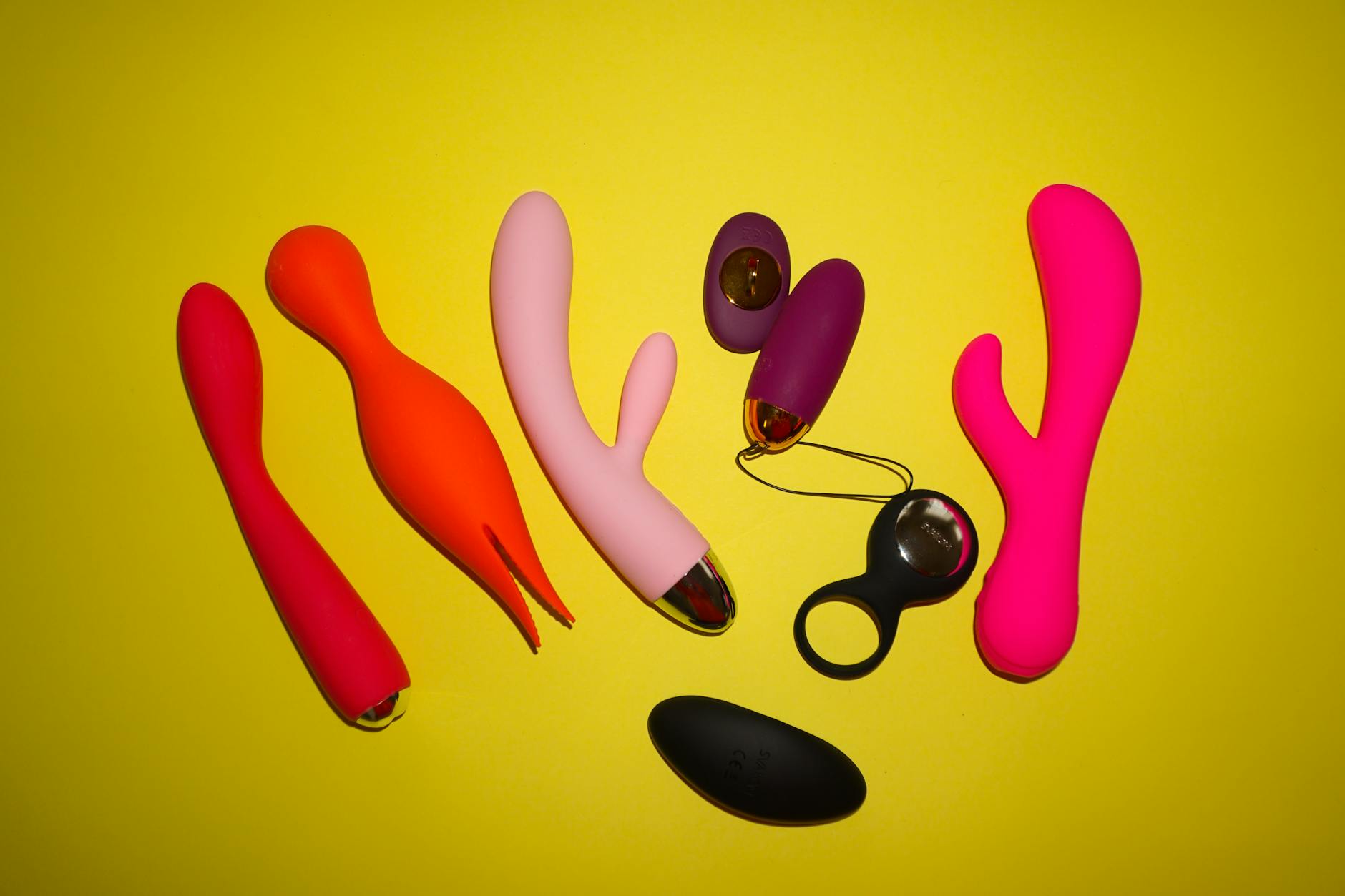
Let's talk about timing
One of you is ready. The other isn't. This is one of the most common relationship friction points I see in my practice, and it gets almost zero airtime in sex advice because the problem feels unsolvable. Either someone pushes to move faster, which breeds resentment. Or someone holds back, which breeds boredom. And then both people end up feeling broken.
Here's the thing: you're not. The issue is structural, not personal. And a lemon vibrator doesn't fix it by magic. But it does give you a third lane to play in instead of forcing a binary choice.
Why arousal timing matters more than you think
Arousal isn't a light switch. It's a chain reaction in your brain that involves blood flow, attention, sensation, trust, and neurochemistry all firing at different rates for different people. Research shows that even in long-term couples, arousal speed often remains one of the least talked-about incompatibilities. We talk about desire, about frequency, about position preferences. But timing? That gets swallowed.
Why does it matter? Because when one partner is aroused and the other isn't, there's an invisible pressure happening in the room. The faster partner feels like they should wait, which makes them anxious. The slower partner feels rushed, which makes them tense. Tension is the enemy of arousal. So you end up with a cycle where the speed gap actually widens instead of closes.
A lemon vibrator interrupts that cycle in two concrete ways.
How a lemon clitoral vibrator actually buys you time
Let's say your partner is ready. You're not. Instead of both of you lying there in awkward foreplay that's going nowhere, your partner can use a lemon vibrator on their own body while you continue building arousal. This sounds obvious, but what it actually does is remove the pressure.
When someone is using a suction-based clitoral vibrator like the Nancy Lemontoy lemon vibrator, they're engaged, they're getting stimulation, and they're not watching you to see if you're catching up yet. You can take the time you need. You can breathe. You can let arousal happen instead of performing arousal.
This works particularly well with clitoral vibrators because the sensation is intense and self-contained. Your partner isn't waiting for you to provide something. They're giving themselves exactly what they need. That shift in dynamic is surprisingly powerful.
The communication piece nobody mentions
Here's where it gets real. Using a lemon vibrator solo while your partner watches doesn't automatically work just because the toy exists. It works if you've actually talked about it first.
Before you bring a clitoral vibrator into this, say something like: "I know I take longer to get there, and I hate feeling like I'm holding you back. What if, when you're ready and I'm not, you used a vibrator on yourself? That way you're not waiting, and I'm not panicking." Notice what that does. It names the real problem. It shows you've been thinking about their experience, not just protecting your own. That's connection.
The lemon sexual toys work here because they feel less like an external tool and more like an extension of your own body. A lem vibrator is small, intuitive, and intense. When a partner uses one, it doesn't look like a performance for you. It looks like someone taking care of themselves, which is actually hot to watch if you're in a healthy frame about it.
When you're the faster partner
Maybe you're the one who's ready in five minutes while your partner needs time. Lemon adult toys solve a different problem here. Instead of feeling like you're on pause, you can use the time productively.
Use a lemon vibrator on yourself. Stay present with your partner, but tend to your own arousal. This does three things. First, it keeps your energy in the room (you're not sighing and checking your phone). Second, it models the behavior you want: that self-pleasure is normal, hot, and not a rejection of your partner. Third, it gives you both time to get to the same place without anyone performing.
The best couples I work with aren't the ones with identical arousal speeds. They're the ones who've figured out that everyone's timing is allowed. A lemon clitoral vibrator makes that permission concrete.
Building toward synchronized pleasure
Once you've both gotten comfortable with this pattern, something shifts. You stop seeing arousal timing as a problem to solve and more as a rhythm to dance with. The faster partner learns what patience actually feels like. The slower partner learns they don't need to rush.
Some couples find that over time, the gap narrows naturally. Not because anyone's broken, but because the anxiety is gone. Without the pressure, arousal actually builds faster. Others find their speeds stay different, and that becomes fine. They have a pattern. They know it works.
When you introduce a lemon vibrator into this, it's not a workaround. It's a tool that says: your pace matters. His pace matters. Both can be true at the same time.
The rhythm conversation that actually helps
One thing I recommend: after you've used lemon clitoral vibrators together a few times, talk about what you noticed. Not performance review, just observation.
What did it feel like to not have to wait? What did it feel like to watch your partner take care of themselves? Did you notice your own arousal shifted when there was less pressure? Did the experience feel more connected, less connected, different somehow?
These conversations rewire how you think about sex together. They move you out of the frame where faster equals better, and into a frame where everyone's pleasure matters equally.
When one partner resists toys
Sometimes one person in the relationship is skeptical about introducing a clitoral vibrator. That's worth naming directly. If your partner is worried that a lemon vibrator means they're not enough, that's a different conversation than "should we use a toy." You're actually dealing with an intimacy question wrapped in a tool question.
Start smaller. Let them watch you use a lemon vibrator on yourself, alone, without it being "for" them. Let them see that it's not about replacing them. It's about taking care of yourself in a way that feels good. Sometimes that permission is what shifts things.
If they're still resistant after that conversation, don't push. The resentment that builds from forcing a tool is worse than the resentment from timing mismatches. But do keep the door open. People's minds change when they see their partner's pleasure as a value, not a threat.
Why suction vibrators actually solve this better than other toys
I mention lemon vibrators specifically because their design solves this particular problem better than other toys. A lem vibrator's suction sensation is intense, localized, and doesn't require movement from a partner. You're not depending on anyone else's timing or rhythm. You're not negotiating. You just use it.
Wand vibrators require more space and movement. Penetrative toys need a partner to be engaged. A lemon clitoral vibrator is the most self-sufficient design out there. That independence is exactly what you need when your timings don't match.
The bigger picture
Mismatched arousal timing isn't a sign your relationship is broken. It's actually normal. What makes it feel broken is the shame and pressure around it. When you bring a tool like a lemon vibrator into the conversation, you're saying: this is allowed. Different speeds are allowed. Your pleasure matters even when it doesn't align with mine.
That's the real shift. The vibrator is just the vehicle for it.
People also ask
Can we use a lemon vibrator together if we have different arousal speeds?
Absolutely. One partner can use the lemon clitoral vibrator on themselves while the other is still building arousal. This removes the pressure for the slower partner and keeps the faster partner engaged. You're syncing pleasure without forcing it.
Will using a lemon vibrator make my partner feel like I'm rejecting them?
Not if you've talked about it first. Frame it as "I want you to feel good right now, and I want to take the time I need" rather than "I want to avoid you." The conversation shifts everything. You're inviting them into a solution, not shutting them out.
How do I bring up mismatched arousal timing without it feeling like criticism?
Lead with observation, not judgment. "I've noticed I take longer to warm up, and I think you sometimes feel stuck. What if we tried something different?" Name it as a logistics problem, not a performance problem. You're partners solving a puzzle together, not one person failing the other.
Are clitoral vibrators like lemon adult toys less intimate than manual stimulation?
Different, not less. Manual stimulation requires your partner's attention in one specific place. A lemon vibrator frees their attention so they can be present in other ways. You're not losing connection. You're redistributing it.
What if my partner uses a lemon vibrator and climaxes before I do? Is that awkward?
Only if you make it awkward. In my practice, couples who've normalized this report it actually feels more connected, not less. One person reaches climax, they stay present with their partner, the other person catches up. It's a rhythm, not a race.
How long should I wait before introducing a lemon clitoral vibrator if arousal timing is an issue?
Don't wait for the problem to become a crisis. Bring it up when you notice it, in a neutral moment outside of sex. "Hey, I've been thinking about something..." is way better than trying to introduce it mid-foreplay when tension is already high. Give the conversation room to breathe.