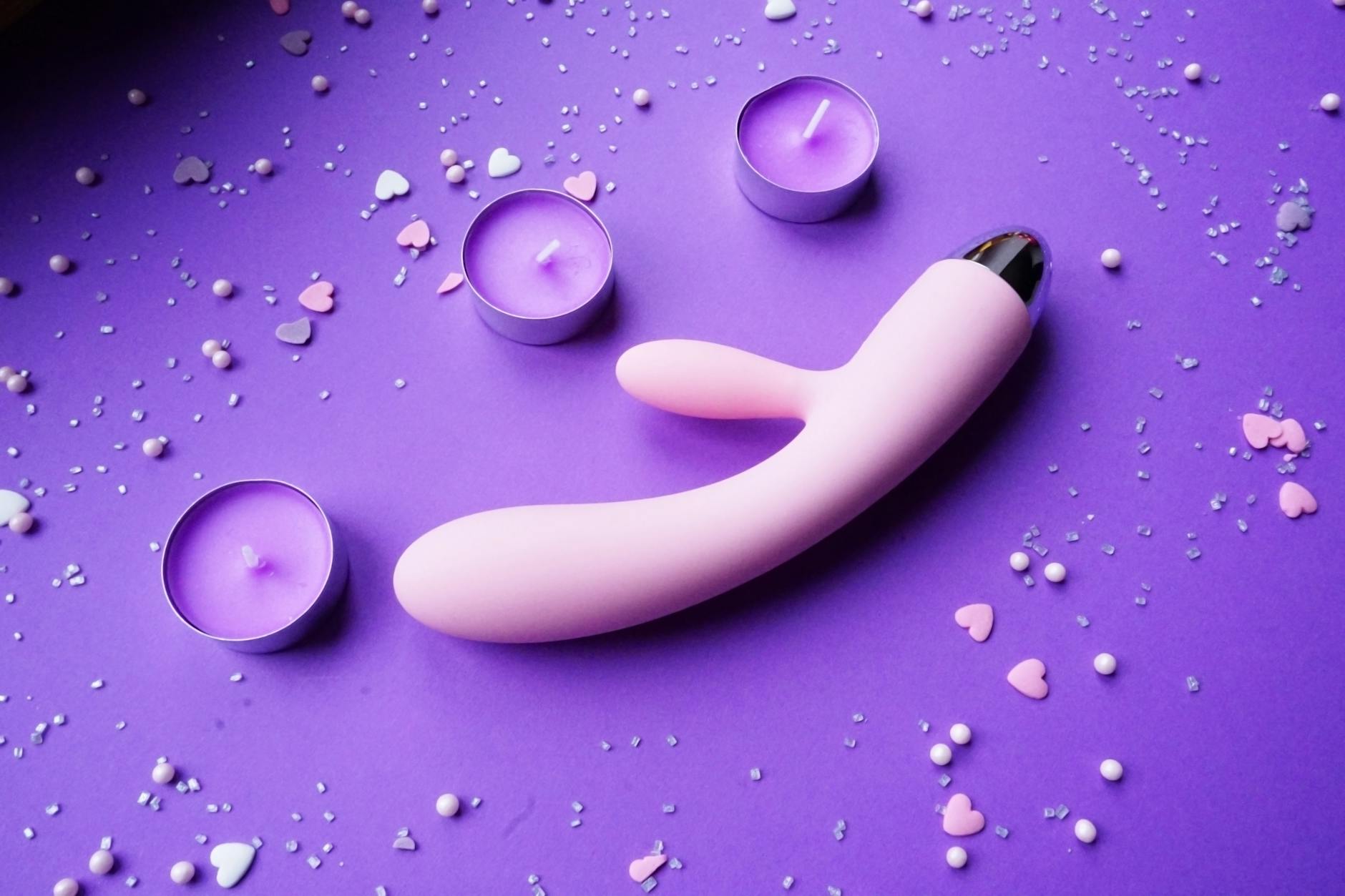
Here's what no one tells you about tissue changes
When hormones shift, the skin covering your clitoris gets thinner. Not weaker, not less capable of pleasure. But thinner. That single fact changes everything about how stimulation should work. Most people keep using the same vibrator they used before the change and wonder why it now feels too intense, almost irritating. The vibrator didn't change. Your tissue did.
Lemon vibrators and other air-suction clitoral vibrators are specifically engineered for this reality. They work differently than traditional vibrators, and that difference matters enormously when your body is rebuilding sensitivity after hormonal shifts.
What actually happens when hormones drop
Estrogen, progesterone, and testosterone all affect vaginal and clitoral tissue. When these hormones decline, several things happen at the cellular level. The outer layer of your vulva thins. The tissue loses elasticity and some of its natural moisture-retention capacity. Blood flow patterns change, which means arousal takes longer to build and the tissue doesn't plump up the way it used to.
This is not irreversible. Your body can absolutely restore sensitivity and pleasure. But the pathway back requires understanding what's changed.
The pelvic floor, which sits beneath all of this tissue, also loses some of its support structure from declining estrogen. This can make some types of vibration feel less stable, less controlled. You might notice that a vibrator that used to feel grounding now feels scattered or overwhelming.
Why friction-based vibration becomes uncomfortable
Traditional vibrators work by moving back and forth rapidly against tissue. This is incredibly effective on well-lubricated, estrogen-supported tissue. But when tissue is thinner and less lubricated, the same friction can create micro-tears you can't see but absolutely feel. It's the difference between running your finger across a well-moisturized hand and one that's dry. Same motion, completely different sensation.
Most people respond to discomfort by avoiding pleasure altogether. They think something is broken. What's actually broken is the match between their body and their tool. Change the tool, change the experience entirely.
How air-suction design reshapes the experience
Lemon vibrators use suction and pulsing rather than friction. A small opening creates gentle pressure waves that stimulate nerve clusters without requiring direct friction against sensitive tissue. Think of it less like a hand moving back and forth and more like a mouth creating sustained pressure and release.
This matters for several reasons. First, suction doesn't require the same level of lubrication. Second, it distributes pressure more evenly across a wider surface area, so no single spot absorbs all the sensation. Third, it creates an entirely different neural pathway. You're not feeling aggressive vibration. You're feeling rhythmic pressure, which tends to be more accessible and more intense simultaneously.
For people rebuilding sensitivity after hormonal changes, this shift from friction to suction often feels revelatory. It's not that sensation is gone. It's that sensation now lives in a different location in the experience.
The sensitivity rebuild timeline
If you're coming out of a hormonal transition, you're probably not going to feel completely normal immediately. But you will feel better faster than you expect if you're using the right approach.
Weeks one to two: Your body is learning that pleasure is available again. Start with the lowest setting on a lemon vibrator. Spend 15 to 20 minutes just exploring without any expectation of orgasm. Your nervous system needs to recalibrate.
Weeks three to four: You'll likely notice arousal building faster, tissue responding with more lubrication. This is your body remembering how. Gradually increase intensity as comfort increases.
Weeks five to eight: Most people report significant sensitivity restoration. Orgasms may feel different (sometimes deeper, sometimes more localized) but they're present and often stronger than expected.
This is not a universal timeline. Some people feel shifts within days. Others need weeks. Your history, stress levels, relationship dynamics, and overall health all influence the pace.
Pairing lemon vibrators with practical support
The tool matters, but it's not the only thing that matters. Four practices accelerate sensitivity rebuild:
Water-based lubricant. Even though suction doesn't require the same amount of moisture, adding a thin layer of water-based lubricant creates a seal that intensifies the suction effect. It also protects tissue that's still adjusting. Use it every time, even if you think you don't need it.
Pelvic floor relaxation. Tension in the pelvic floor dampens sensation and makes pleasure feel blocked. Spend five minutes before each session doing reverse Kegels, where you actively relax the muscles instead of contracting them. This rewires the nervous system's default response.
Extended warm-up time. Give your body 20 to 30 minutes before introducing the vibrator. Touch, kissing, whatever builds arousal for you. Your tissue needs time to respond, and rushing it creates frustration.
Consistent practice. This is not intuitive, but regular stimulation actually accelerates sensitivity restoration. Your nervous system needs the signal that sensation is safe and available. Three to four times per week is far more effective than occasional use.
When sensitivity changes mid-pleasure session
Here's something that catches people off guard: your sensitivity can fluctuate even during a single session, especially in the months after hormonal changes. You might start at medium intensity, feel great for 10 minutes, then suddenly feel too stimulated. This is normal. It means your nervous system is still recalibrating.
Instead of pushing through, here's what helps: pause, breathe, apply more lubricant if needed, drop the intensity, or switch to manual stimulation. Your body is not failing you. It's communicating what it needs in real time. The flexibility of air-suction vibrators like lemon vibrators makes this adjustment easier than with devices that have fewer settings.
The role of emotional safety in sensitivity rebuild
I've worked with countless people rebuilding pleasure after hormonal changes, and the ones who succeed fastest share one thing in common: they approach the process without shame. If you're carrying stories that your body is broken, that pleasure should be effortless, that sensitivity loss means something about your desirability, that all gets in the way.
Here's what's actually true: your body has changed. You need a different approach. That approach exists and works. That's not a tragedy. That's information.
If you're in a partnership, being honest about what's shifted and what you need is the fastest path forward. Partners often catastrophize these changes when they don't understand them. How to Introduce Lemon Vibrators to Your Partner Without Awkwardness walks through that conversation clearly.
When to seek additional support
If after 8 to 12 weeks of consistent practice with a lemon vibrator you're still not feeling significant sensation or pleasure, it's worth checking in with a menopause-informed GP or gynecologist. Sometimes tissue thinning is severe enough that topical estrogen cream accelerates the rebuild. Sometimes there's a secondary issue like pelvic floor dysfunction that needs attention. Getting support is not failure. It's just information gathering.
Genitourinary syndrome of menopause (GSM) is real, common, and highly treatable. Most people don't need it, but some do, and there's no benefit to white-knuckling through discomfort when solutions exist.
FAQ: Questions people actually ask about lemon vibrators and hormonal changes
Will a lemon vibrator feel better than my current vibrator after hormonal changes?
Very likely yes, especially if your current vibrator relies on friction-based vibration. Air-suction lemon clitoral vibrators distribute pressure differently and require less lubrication, which makes them significantly more comfortable for tissue that's thinner and less lubricated. The learning curve is short. Most people notice the difference in the first session.
How long does it take for a lemon vibrator to rebuild sensitivity?
Most people notice measurable sensitivity improvements within 3 to 4 weeks of consistent use (3 to 4 times per week). More significant restoration takes 6 to 8 weeks. This assumes you're using appropriate intensity, adding lubricant, and allowing adequate warm-up time. Results vary based on how recent the hormonal change is and your overall health.
Can you use a lemon vibrator if you're already on hormone therapy?
Yes, absolutely. Hormone therapy can take 4 to 8 weeks to shift tissue changes, so many people use lemon vibrators during that window to maintain and rebuild sensation. The combination actually accelerates results. Some people find they can reduce vibrator reliance once hormones stabilize, but many prefer the sensation of air-suction toys regardless.
Is it normal for a lemon vibrator to feel overwhelming at first?
If the tissue is very thin or very sensitive, yes. Start on the absolute lowest setting. Some people benefit from putting a thin barrier (like a piece of soft fabric) between the vibrator and skin for the first few sessions. Your sensitivity will calibrate quickly. Overwhelming at session one is often ideal by session three.
What's the difference between lemon vibrators and traditional clitoral vibrators for hormonal changes?
Lemon vibrators use air-suction technology that creates pressure waves rather than friction. This is gentler on thinning tissue, requires less lubrication, and distributes sensation across a wider area. Traditional vibrators move back and forth, which can irritate tissue that's already sensitive. For post-hormonal changes, Why Lemon Vibrators Feel Better Than Traditional Vibrators for Clitoral Stimulation goes deeper into the mechanics.
Can lemon vibrators help if sensitivity loss is from medication rather than hormonal changes?
Often yes, though the mechanism might be slightly different. Some medications dampen nervous system response, which makes friction-based stimulation feel muted. Air-suction technology can create more intense sensation with less effort, which sometimes bypasses medication-related dampening. It's worth trying, and if it doesn't help significantly, that information is useful for conversations with your doctor.
You deserve pleasure that matches your actual body
Hormonal changes shift your landscape. That does not mean pleasure disappears. It means the pathway changes. Lemon vibrators are specifically designed for bodies in transition, and they work. Your sensitivity is not gone. It's just waiting for the right approach to come back online.
Start low, move slow, and trust that your body knows how to do this. If you want support navigating these changes in a relationship context, reach out to /contact. I'm here to help you rebuild not just sensitivity, but confidence in your body's capacity for pleasure.