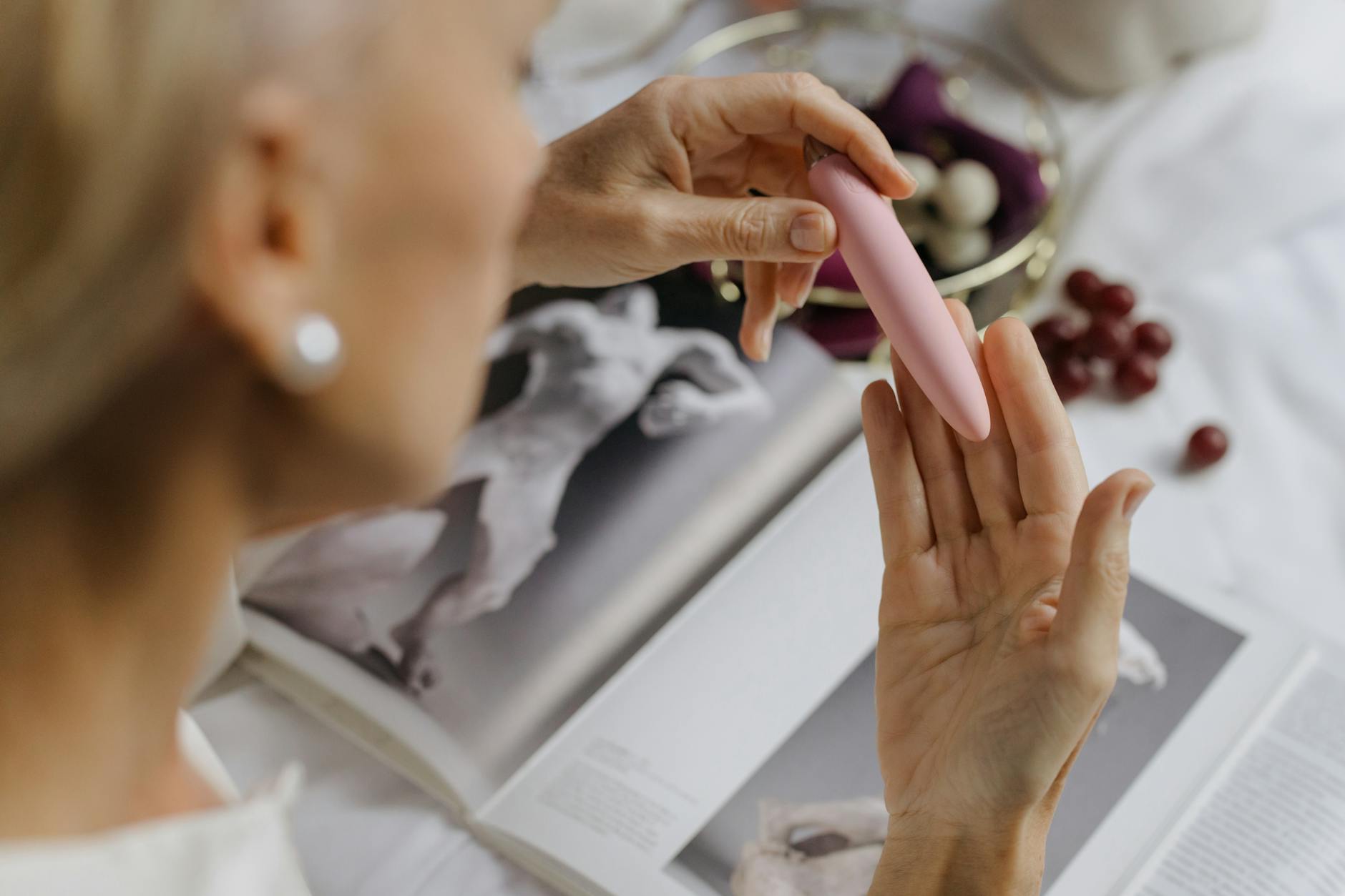
Let's talk about pleasure after surgery
Surgery changes things. Whether it's a hysterectomy, fibroid removal, endometriosis excision, or any pelvic procedure, your body needs time to heal. And yes, that includes your pleasure zones. The good news: pleasure isn't off the table. It's just on a different timeline.
Most people aren't given clear guidance on how to navigate intimacy during recovery. Your surgeon tells you when you can walk, drive, and do heavy lifting. But nobody talks about when you can explore pleasure again, how to do it safely, or what tools actually help. That gap is exactly what this guide fills.
The healing phases and what they mean for pleasure
Your body goes through predictable stages after pelvic surgery. Understanding them helps you know when it's safe to reintroduce sensation, and what kind of sensation feels right at each stage.
Weeks 1-2: The acute phase. Your incisions are fresh. Your pelvic floor is swollen. Nerves are irritated. Pleasure isn't the priority here. Your job is rest, hydration, and gentle movement. If you have a partner, this is a good time to focus on non-genital intimacy: hand-holding, cuddling, conversation. It rebuilds connection without pressure.
Weeks 3-4: The transition phase. Swelling starts to decrease. You're mobile again. Some people feel the first flickers of sexual interest. This doesn't mean you're cleared for penetration or intense stimulation. It means your nervous system is waking up. Gentle external touch is starting to feel good instead of just tender.
Weeks 5-6 onward: The exploration phase. Most surgeons give the green light around week 5 or 6, but check with yours. Your incisions are closed. Swelling is mostly gone. Your pelvic floor is learning to relax again. This is when gentle clitoral stimulation with a tool like a lemon vibrator makes sense.
Every surgery is different, and every body heals at its own pace. Always wait for your doctor's specific clearance before resuming sexual activity.
Why lemon vibrators work well during recovery
A lemon clitoral vibrator offers something most other toys don't during recovery: precise, gentle, non-invasive stimulation that doesn't require internal penetration or partner coordination. Here's why that matters.
Suction, not friction. Lemon vibrators use gentle suction and pulsing patterns rather than direct vibration or friction. During recovery, your tissues are sensitive and still healing. Suction stimulates without the shearing force that friction creates. That's crucial when your skin is tender and your pelvic floor muscles are learning to relax again.
External only. You're not introducing anything internally while your pelvic floor is still recovering its strength and tone. That removes a whole category of potential irritation.
Quiet and solo-friendly. If you're exploring pleasure during recovery, you probably want to do it privately, on your own timeline, without needing to coordinate with a partner or explain what you're doing. A lemon sucker is small, discreet, and gives you complete control.
Adjustable intensity. Most lemon vibrators have multiple patterns and intensity levels. You can start at level 1 and stay there as long as you need. No pressure to ramp up, no assumptions about what you should be feeling.
The practical timeline: when to start
Here's a realistic breakdown, assuming your surgeon has cleared you for general sexual activity (usually weeks 5-6 post-op).
Week 6: Gentle external exploration. Start with the absolute lowest setting on your lemon vibrator. Place it against your clitoris without moving it around. Think of it less as "using" the vibrator and more as "noticing what sensation feels like now." Five to ten minutes is plenty. Stop if anything feels sharp, not just tender. You're collecting data on what your body is ready for.
Week 7-8: Slightly longer sessions, light pulsing. If the gentle approach felt okay, try 15 minutes at a moderate setting. Experiment with different patterns if your lemon vibrator has them. Some people find that the gentler pulsing patterns feel better than the strongest settings. Your job isn't to chase an orgasm. It's to rebuild the neural pathway between sensation and pleasure.
Week 9 onward: Full integration. By now, most bodies are ready for whatever kind of clitoral stimulation feels good. You can experiment with intensity, duration, and patterns. If you want to involve a partner, this is when it makes sense to reintroduce that together.
This is a guideline, not a rule. Some people need more time. Some are ready faster. Listen to your body, not a timeline.
What to watch for: red flags
If any of these happen, pause and talk to your doctor.
Sharp, shooting pain that doesn't feel like tenderness. Throbbing or pulsing that persists after you stop using the vibrator. Unexpected bleeding or discharge. Feeling dizzy or lightheaded. Significant increase in swelling. Any sign of infection (fever, foul discharge, redness around your incision).
Tenderness, mild ache, and slight sensitivity are normal during early recovery. Sharp pain is not. If you're unsure, err on the side of caution.
Building confidence alongside sensation
Recovery isn't just physical. After surgery, many people feel disconnected from their bodies. Surgery changes the landscape. There's a scar, or the removal of a part, or the feeling of being "broken." That emotional piece shapes whether pleasure feels accessible or not.
Using a lemon vibrator during recovery can actually help here. It's a deliberate, gentle act of reclaiming your body as a source of pleasure, not just a patient. It's a small but real way of saying "I'm returning to myself." That matters. And it matters even more if you're doing it without judgment or speed.
If you're in a partnership, how you introduce lemon vibrators to a curious-but-nervous partner becomes especially relevant during recovery. Your partner might be worried about hurting you, or about what your body can handle. Being clear and specific about what feels good removes the guesswork.
Lubrication during recovery
You might expect that you'd need less lubrication with a suction-based tool like a lemon vibrator. Actually, you might need more during recovery. Here's why.
Post-surgical swelling and hormonal changes (especially if your surgery involved your ovaries) can affect lubrication. A water-based lubricant creates a gentle barrier and helps the sensation feel less abrupt against sensitive tissue. Apply it to the contact area, not to the vibrator itself, so you can control how much you're using.
Avoid silicone-based lubes if your lemon vibrator is silicone (which it likely is). They degrade the material. Stick to water-based.
When to involve a partner (and how)
If you have a partner, they might feel anxious or excluded during your recovery. Involving them thoughtfully actually strengthens connection and removes the worry.
Some couples find it's hot to explore together. Others find that the recovering partner wants privacy and autonomy for a bit. Both are fine. The important thing is talking about it clearly before you're in the moment.
You might say something like: "I'm ready to start exploring pleasure again, and I want to do it slowly. Sometimes I'd like to do that alone. Sometimes I'd like you there, but I want to stay in control of the sensation and the pace." That's specific and kind, and it tells your partner exactly what's happening.
Reconnecting to your baseline
One thing nobody tells you: post-surgery, your pleasure baseline shifts temporarily. The orgasms you're used to might feel different. The sensations might be less intense, or more concentrated in a different area. That's not permanent. It's part of healing.
Being patient with this weirdness is key. You're not trying to get back to where you were. You're discovering where you are now, and building from there. How lemon vibrators work when texture sensitivity changes with age touches on this in a different context, but the principle is the same: your body isn't broken. It's just temporarily different.
The practical side: care and cleanliness
During recovery, infection risk is higher. Make sure your lemon vibrator is completely clean before every use. Wash it with warm water and mild soap, let it air dry completely, and store it in a clean place. If your vibrator is rechargeable, make sure the charging port stays dry.
Wash your hands before use, too. You're being more cautious during recovery, which is wise.
FAQs
When exactly can I start using a lemon vibrator after pelvic surgery?
Wait for your surgeon's explicit clearance, which is usually around week 5 or 6 for most pelvic surgeries. Even then, start with the lowest setting and shortest duration to make sure your body responds well. If your surgeon says no sexual activity for 8 weeks, that includes toy use. Be specific when you ask. Some surgeons say "no penetration" but are fine with external clitoral stimulation earlier.
Will using a vibrator delay my healing?
No, if you use it gently and don't push past tenderness. In fact, gentle stimulation can help your nervous system understand that the area is safe again, which aids psychological recovery. But aggressive stimulation or pushing through sharp pain can irritate healing tissue. The key is gentle and brief at first.
Is it normal to feel less sensation after surgery?
Absolutely. Swelling, nerve irritation, hormonal changes, and scar tissue can all reduce sensation temporarily. This usually improves over weeks and months. A lemon vibrator's precise suction can actually help you feel sensation more clearly while your body is recovering.
My partner is worried about hurting me. How do I ease their concerns?
Talk specifically. "I've been cleared by my doctor to start gentle external stimulation. I want to start with the lowest setting for about 10 minutes. You can be there with me, but I'm in control of the pace." That clarity dissolves worry. You might also point your partner to this guide so they understand the timeline and what's actually safe.
Can I have an orgasm during recovery, and is it safe?
Orgasms cause pelvic floor contractions, which are fine during recovery as long as your pelvic floor isn't actively in pain. If an orgasm feels like a release rather than a jolt or sharp sensation, it's probably okay. Start conservatively and see how your body responds. If orgasm feels wrong, take a break and talk to your doctor.
What if I still don't feel ready weeks after clearance?
That's normal and fine. Emotional readiness often lags behind physical healing. Some people need 8 weeks, some need 12. Using a lemon vibrator is optional, not mandatory. Focus on what feels genuinely good to you, not on what you think you should be doing by now.
Moving forward
Recovery from pelvic surgery is a chance to rebuild your relationship with your body without the pressure of performance. A lemon clitoral vibrator is a tool for gentle, solo exploration during that process. It's not about rushing back to where you were. It's about discovering where you are now, and giving yourself permission to explore pleasure on your own timeline.
Your body survived something big. Pleasure is part of how you reclaim it. Start small, listen carefully, and trust the process.