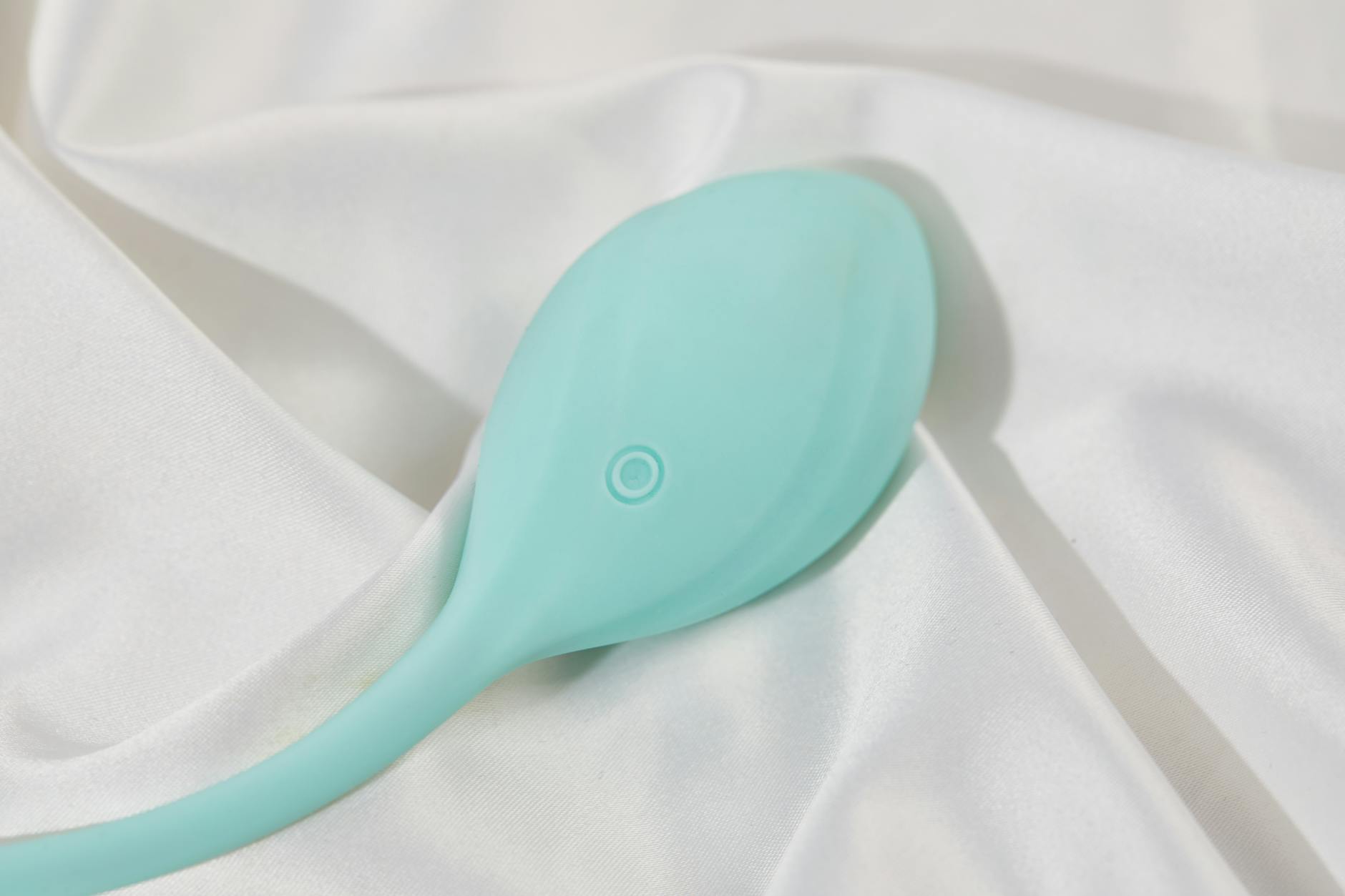
Hormonal imbalance messes with pleasure, but it doesn't have to win
Here's what nobody tells you: when your hormones are out of balance, your whole arousal system gets confused. Estrogen drops, cortisol spikes, testosterone fluctuates, and suddenly orgasms feel farther away, less intense, or just different than they used to be. It's real. It's frustrating. And it's completely fixable.
The right tool makes a massive difference. Lemon vibrators, with their specific suction mechanism, work differently with hormonal fluctuations than traditional vibrators do. They create consistent, targeted stimulation that doesn't rely on your body's natural lubrication or the quick-response arousal that hormones usually regulate. Which means even when your hormones are all over the place, pleasure is still within reach.
I've worked with hundreds of clients navigating hormonal imbalances like PCOS, thyroid dysfunction, hormone replacement therapy, and irregular cycles. The pattern is always the same: standard vibrators become less effective, frustration grows, and people assume they've lost their ability to orgasm. They haven't. They just need an approach that accounts for how their hormonal reality has shifted.
How hormonal imbalance actually affects orgasm
Your brain doesn't make arousal happen alone. Hormones are the supporting cast. Estrogen preps your vaginal tissue for responsiveness and increases sensitivity around ovulation. Testosterone drives actual desire, across all body types that produce it. Oxytocin helps you reach the plateau phase where orgasm becomes possible. Dopamine makes pleasure feel rewarding so your brain wants more.
When these are imbalanced—whether from PCOS, thyroid issues, cortisol overload, or irregular menstrual cycles—each part of that chain breaks.
Estrogen drops and your tissue gets thinner, less elastic, slower to swell. Testosterone lags and desire just... vanishes. You might want to want sex, but the wanting doesn't show up. Cortisol stays high from chronic stress, which actively blocks the cascade of hormones that leads to arousal. Your cycle becomes unpredictable, so you can't even plan around your good-arousal days.
The result: traditional vibration feels less effective because it relies on baseline tissue responsiveness and natural lubrication that aren't showing up. You need stimulation that works independently of those things.
Why lemon vibrators outperform standard vibrators for hormonal imbalance
Lemon clitoral vibrators don't vibrate in the traditional sense. They use gentle suction and pulsation to stimulate nerve endings without requiring the same tissue engorge ment that standard vibrators need. This matters hugely when hormones are low.
Think of it this way. A traditional vibrator is like knocking on a door. The door (your arousal response) needs to be responsive enough to answer. When hormones are imbalanced, that door is harder to get to open. A lemon sucker is more like a doorbell that rings directly into your nervous system. It doesn't wait for tissue response. It initiates it.
The sensation is also more diffuse. Suction spreads stimulation across a wider area of the clitoris and surrounding tissue, which means you don't need as much localized sensitivity to feel pleasure. For people managing hormonal imbalance, this is a game-changer. You get sensation and orgasm without needing your body to cooperate in exactly the same way it used to.
Second, consistency. Lemon vibrators deliver the same intensity pattern every single time. Your hormones won't. On a low-estrogen week, traditional vibration might feel overwhelming or numb. Suction-based stimulation from a lem vibrator feels reliable week after week because it doesn't depend on hormonal fluctuation. You know what you're getting.
Mapping your cycle with a lemon clitoral vibrator
If you have a menstrual cycle, even an irregular one, you have hormonal windows. Some of these are better for arousal than others. Understanding where you are in that cycle, and adjusting how you use your lemon vibrator accordingly, is the biggest hack I recommend.
The follicular phase (days 1-13ish). Estrogen is climbing. Your tissue is thickening. Arousal comes easier. This is when you might try longer sessions with your lemon clitoral vibrator, higher intensity patterns, or even combining it with partnered touch. Your body is primed.
Ovulation (day 14ish). Peak estrogen and testosterone. This is your arousal superbowl. Orgasms come quickly, often intensely. Use your lem vibrator and notice how differently it feels. You might orgasm faster than you usually do. Enjoy that.
The luteal phase (days 15-28ish). Progesterone rises, and then everything crashes. Tissue sensitivity can actually increase, but arousal gets harder. Stress sensitivity spikes. This is when you want to use your lemon vibrator with more patience. Longer warm-up. Lower starting intensity. Maybe focus on solo sessions instead of partnered scenarios. Your nervous system is more activated, so gentleness works better.
If you have an irregular cycle or no cycle at all (from PCOS, hypothyroidism, or other hormonal conditions), you might not have these clear windows. That's okay. Instead, track your arousal quality. On days when orgasms come easier, remember how your lemon vibrator worked. On days when pleasure feels distant, adjust your approach: more time, lower intensity, more lube, solo focus. Your body isn't broken. It's just asking for a different rhythm.
Using your lemon vibrator when you're managing PCOS or thyroid dysfunction
PCOS and thyroid issues (especially hypothyroidism) are two of the most common hormonal imbalances that tank libido and orgasm quality. With both, the underlying issue is insulin resistance or T3/T4 imbalance, which cascades into low dopamine, inconsistent ovulation, and unpredictable arousal windows.
Here's what I tell clients managing these conditions. First: your pleasure capacity hasn't disappeared. It's just on a different schedule. A lemon vibrator helps because it doesn't rely on your natural cycle cooperating.
Second, be radically consistent with your lube. When testosterone is low and tissue responsiveness is sluggish, lubrication matters more than ever. Use water-based lube generously, reapply it, treat it as part of foreplay. Your lem vibrator will work better, and the whole experience will feel easier.
Third, separate arousal from desire. With PCOS and thyroid issues, you might not feel desire (that's the dopamine/testosterone piece), but your body can still respond to stimulation and reach orgasm. That's why a lemon clitoral vibrator is so helpful. It initiates arousal from the body up, instead of waiting for desire to spark from your brain down. Use it solo, without the pressure of wanting to want it. Let your body teach you what pleasure still feels like.
Hormonal birth control and HRT: adjusting your approach
People on hormonal birth control or hormone replacement therapy are managing a different kind of hormonal landscape. The goal is usually to stabilize hormones, but the stability might feel flat compared to your natural cycle. Desire can lag. Arousal can feel muted.
The adjustment with a lemon vibrator is simple: expect a longer warm-up than you might have had before hormonal treatment. Your baseline arousal is lower, so you need more time to climb toward orgasm. That's not a failure. That's just the new normal. Plan for 15-25 minutes instead of 10. Start at a lower intensity setting and work up. Use lube even if you think you don't need it. Your tissue is responding differently, and lube makes the sensation feel richer.
One counterintuitive thing I've noticed: people on HRT sometimes find that their most intense orgasms come later, not sooner. The arousal takes longer to build, but when it crests, it's deeper. A lemon sucker is perfect for this because it supports that long, slow climb without fatiguing your attention or your body.
The nervous system piece (this matters as much as hormones)
Hormonal imbalance doesn't just change your physical responsiveness. It scrambles your nervous system. Thyroid dysfunction makes you wired and scattered. PCOS drives inflammation and cortisol dysregulation. Hormone fluctuations create mood instability that kills arousal before it starts.
This is why the mental setup matters. Before you use your lemon vibrator, spend five minutes on nervous system down-regulation. Breathe slowly. Dim the lights. Put your phone in another room. Tell your brain that pleasure is safe right now, even if your hormones are chaotic.
Then, when you use your lem vibrator, go slower than you think you need to. The suction and pulsing will feel more intense if your nervous system is dysregulated. Lower intensity, longer duration, more patience. Let your body warm up gradually. This isn't wasted time. This is the actual work of reclaiming pleasure when hormones are imbalanced.
FAQ
Can I use a lemon vibrator when my hormones are really unstable?
Yes, absolutely. In fact, hormonal instability is exactly when lemon clitoral vibrators shine. They don't depend on your body's natural response system cooperating. They initiate stimulation directly. Start low and slow. There's no rush.
Does a lem vibrator work better at certain points in the cycle?
It works at all points, but it feels different depending where you are. Around ovulation, you might orgasm faster and more intensely. During luteal phase, you might need more time and lower intensity. The vibrator itself doesn't change. Your body's capacity does. Adjust your expectations accordingly.
What if I'm on HRT and still can't orgasm with my lemon vibrator?
HRT takes time to stabilize—sometimes 3-6 months. If you're early in treatment, be patient. Also check: are you using enough lube? Do you have 20+ minutes without interruption? Is your nervous system actually relaxed, or are you stressed about whether it will work? Those factors matter more than you'd think.
If I have PCOS, will a lemon vibrator help my actual hormone levels?
No, a lemon sucker won't fix PCOS. But it will help you experience pleasure despite PCOS. Pleasure is separate from hormone correction. A vibrator isn't medical treatment. It's a tool for accessing sensation when your medical reality makes that harder.
Is there a best time to start using a lemon vibrator when I'm managing hormonal imbalance?
Right now. Don't wait until your hormones are "perfect" or balanced. That might never happen, especially with conditions like PCOS or thyroid dysfunction. The whole point is learning to access pleasure with the hormones you actually have, not the ones you wish you had.
Can I use my lemon vibrator with a partner if I have hormonal imbalance?
Yes. Show your partner what intensity feels good and when you need to pause. Hormonal imbalance often means arousal is slower and more fragile. That's okay. Your partner can focus on what else feels good—touching, kissing—while you use your lemon clitoral vibrator. It's not a replacement for connection. It's a tool that helps you both get there.
You deserve pleasure, even with hormonal chaos
Hormonal imbalance is real and it's frustrating. But it's not a wall between you and orgasm. It's just a different path to get there. A lemon vibrator understands that path. It works with your actual physiology instead of asking your body to cooperate in ways it can't right now.
Start with patience. Use lube generously. Build in extra warm-up time. Track what feels good at different times and adjust. And remember: your pleasure matters. Your orgasm matters. Your body's capacity for sensation matters, even when your hormones are telling a complicated story.
If you're managing hormone-related pleasure challenges and want more specific guidance on rebuilding intimacy during transitions, check out our piece on why lemon vibrators improve sensitivity after hormonal changes. For those navigating this with a partner, how to use lemon vibrators with your partner for better communication and pleasure offers practical frameworks for conversations that matter.
Your hormones are part of your story. They're not the whole story.