Let's start with what nobody tells you
After a long relationship, solo pleasure isn't a return to baseline. It's a completely different skill. Your body spent years calibrating to someone else's rhythm, preferences, and timing. The pathways you built around that intimacy don't just reset when the relationship ends. They sit there, confused and sometimes numb, waiting for you to teach them something new.
That's not failure. That's just neurobiology.
Why solo pleasure after a breakup feels so strange
During a long partnership, pleasure becomes a duet. Your nervous system learns to anticipate another person's touch, timing, and intensity. You build arousal through connection, conversation, and responsiveness. Your body develops expectations about how long foreplay lasts, what kind of pressure feels good, and what the finish line looks like.
When you're suddenly solo, all of that familiarity disappears. You're not grieving sex itself. You're grieving the specific neural choreography that your body got really good at. And right now, your body is asking itself: what do I actually like? Not what my ex liked. Not what I performed for. What lights me up when nobody's watching?
Honestly, a lot of people don't know the answer anymore.
Why lemon vibrators work differently for solo rediscovery
Lemon clitoral vibrators like the Lem work differently than traditional vibrators for this specific transition because they use suction and pulsation instead of simple vibration. That matters here because suction forces your attention inward. It's almost impossible to dissociate during suction. Your brain has to stay present.
When you're rebuilding solo pleasure, presence is half the battle. You need a tool that won't let you autopilot through the experience or check out emotionally while you're checking off pleasure.
Additionally, lemon sucker vibrators allow for much slower, longer-duration sessions. You can find rhythm without intensity. You can explore different patterns at low speeds without feeling like you're not "doing it right." That gentleness is crucial when you're relearning your own body.
The emotional work happens before the physical pleasure
Here's something therapists know that sex educators often skip: solo pleasure after a breakup is at least 40% emotional work before it becomes physical pleasure.
You need to separate a few ideas that got tangled up during your relationship. First, pleasure is not proof of moving on. You can use a lemon clitoral vibrator and still miss your ex. Both things exist at the same time. Second, solo pleasure is not a replacement for partnership. It's its own category of intimacy, and it's valid on completely different terms. Third, rediscovering yourself sexually is not selfish. It's the foundation for healthier future relationships.
Once those three ideas land, the physical part becomes a lot less loaded.
How to rebuild solo pleasure with a lemon sexual toy
Start stupidly slow. I mean embarrassingly slow. Set aside 20-30 minutes with zero pressure to orgasm. This is a data-gathering session, not a performance.
Use your Lem on pattern 1 or 2. Don't go looking for intensity. Instead, pay attention to what surprises you. Does slower suction feel good? Does a specific pattern create a texture you didn't expect? Does your pleasure build differently than it did with a partner? None of these answers are wrong. They're just information.
Many people report that solo pleasure feels completely different when the pressure to perform, coordinate, or time an orgasm with someone else disappears. Sometimes it's more diffuse. Sometimes it's sharper. Sometimes it takes longer but feels deeper. Your nervous system will tell you what it needs. Let it.
If you find yourself checking out, spacing out, or feeling numb, that's normal. Numbness after a long relationship is common. It's not a sign that you're broken or that solo pleasure isn't for you. It's a sign that you need more time, maybe a different setting, or possibly talking to a therapist alongside rebuilding this piece of your life.
Why lemon vibrators help with the reconnection piece
The Lem and other lemon clitoral vibrators work particularly well during this rediscovery phase because they're so different from penetrative sex. That difference is intentional. You're not trying to recreate partnership sex in isolation. You're building something entirely new.
Lemon adult toys also tend to have shorter activation curves. You don't need as much warm-up time to feel something. That matters when your nervous system is still adjusting. You get feedback faster, which helps rebuild confidence that your body is still capable of pleasure.
Also, the aesthetic matters more than people admit. If your toy looks like a medical device or something you have to hide, that sends a message to your nervous system that pleasure is something to be embarrassed about. With lemon vibrators, you have a tool that's intentionally designed, beautifully made, and unapologetically for pleasure. That's a different message entirely.
The timeline nobody talks about
Solo pleasure rediscovery is not linear. You might have a great week, then a week where numbness comes back, then a breakthrough, then a setback. That's not progress failing. That's grief doing what grief does. It's not replacement. It's integration.
I typically tell people to expect 2-4 months of awkward, inconsistent solo exploration before it starts feeling natural again. Some people find their rhythm faster. Some take longer. Both are completely fine. There's no clock on this.
If you're trying to rush it because you feel like you "should" be over it by now, that pressure usually makes everything harder. Let yourself be in this transition. Let your body take the time it needs.
How solo pleasure connects to future relationships
Here's what I've seen clinically: the people who rebuild a strong solo pleasure practice after a breakup actually have healthier partnerships later. Not because they're independent or don't need a partner. But because they know what they like. They can ask for it. They're not using partnership to fill a void that only solo intimacy can address.
Lemon vibrators aren't a permanent alternative to partnership. They're a tool for rebuilding your sexual literacy. They're how you remind your nervous system that pleasure is available to you, that your body still works, that you're not broken by loss.
Once you know that? Everything else gets easier.
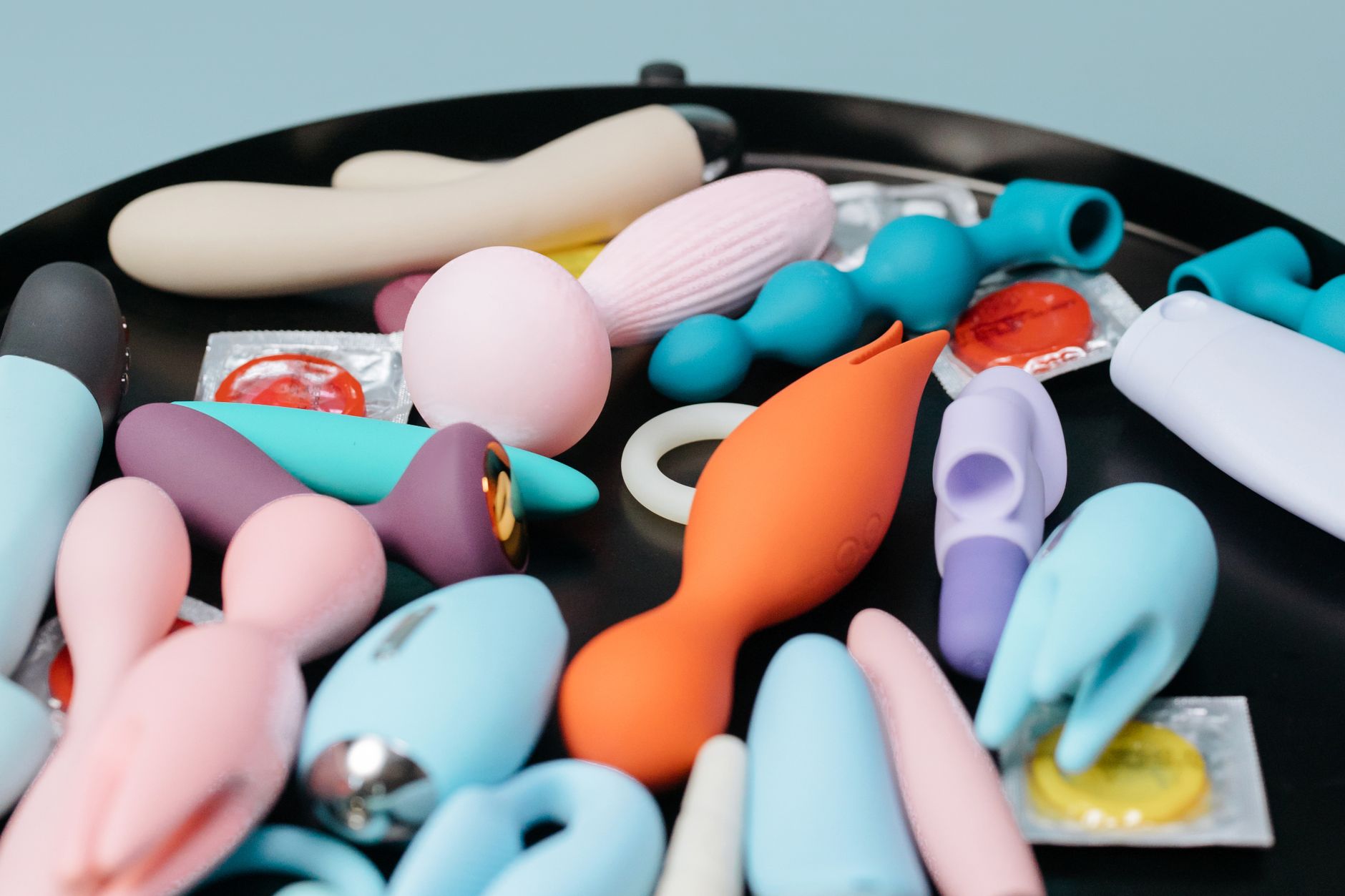
Photo by cottonbro studio on Pexels
When to seek support alongside solo exploration
If numbness persists for more than 3-4 months despite consistent solo practice, that's worth talking to a therapist about. Sometimes relationship endings create a grief response that needs more than time and a lemon clitoral vibrator. Sometimes depression or trauma gets in the way. That's not failure. That's just knowing when to ask for help.
If you're using solo pleasure to avoid processing emotions from the breakup, that's also worth noticing. Pleasure can become avoidance. The goal isn't to feel numb forever. It's to feel alive again.
If you're comparing your solo experience to your partnered experience and feeling like one is inherently better or worse, you're comparing two completely different categories. Solo pleasure and partnered sex aren't on the same spectrum. They're different things with different purposes. Both are valid.
The part about moving forward
Rebuilding solo pleasure after a long relationship is actually a form of self-trust. You're telling your nervous system: I know what happened. I'm still here. I still deserve to feel good. My body still works. Pleasure is still available to me.
Lemon sexual toys, especially something like the Lem, become part of that conversation. They're not a replacement for the relationship. They're a tool for remembering that your capacity for pleasure belongs to you, not to a partner. That it never did.
Start slow. Be patient with yourself. Let your body teach you what it needs. And if you need professional support alongside this process, that's exactly what therapists are for. You don't have to figure this out alone.
People also ask
How long does it take to feel pleasure again after a breakup?
There's no universal timeline, but most people report that solo pleasure starts feeling more natural after 2-4 months of consistent, low-pressure exploration. The key is consistency without pressure. If you're pushing yourself or using solo pleasure to avoid grief, that actually slows the process down. Let yourself feel whatever comes up, and trust that your capacity for pleasure returns on its own timeline.
Can I use a lemon vibrator if I'm still grieving the relationship?
Absolutely. Grief and pleasure aren't mutually exclusive. You can miss your ex and enjoy solo pleasure at the same time. That simultaneous experience is totally normal. If you find yourself using pleasure specifically to avoid grief instead of processing it, that's the time to pause and maybe talk to someone.
Why does solo pleasure feel so different after partnered sex?
Your nervous system spent months or years calibrating to another person's touch, timing, and presence. That nervous system training doesn't instantly reprogram when the relationship ends. You're literally rebuilding those neural pathways. Your body needs time to remember what feels good without another person's energy involved. Lemon clitoral vibrators help because they provide consistent, controllable feedback that helps your nervous system retrain itself.
Should I tell future partners that I used a lemon vibrator during the breakup recovery?
That depends entirely on you and the relationship. Solo pleasure practices aren't anyone's business unless you want to share them. That said, future partners who are secure in their own sexuality will find your comfort with lemon sexual toys or any adult toy totally normal and often attractive. It signals that you know your body.
Is it normal to feel numb during solo pleasure after a breakup?
Yes, absolutely normal. Numbness is one of the ways the nervous system protects itself after loss. If numbness continues for months despite consistent practice, that's worth talking to a therapist about. But initially? Numbness is just part of the process. Keep showing up gently, and that numbness will eventually soften.
How do I know if I'm ready for a new relationship after rediscovering solo pleasure?
You know when you no longer need the new relationship to fix what the old one broke. When you're dating from abundance rather than filling a void. When your solo pleasure practice feels complete for its own sake, not like practice for partnership. You'll know. Your nervous system will tell you.
Moving forward with intention
Rediscovering solo pleasure after a long relationship isn't about speed or intensity. It's about reconnecting with your own body on new terms. A lemon vibrator becomes part of that conversation. It's a tool that says: this pleasure belongs to you. Not to anyone else. Not to anyone's expectations.
Take your time. Be kind to yourself. And if you need guidance alongside this journey, reach out to us. We're here to support you.
If you're navigating post-breakup healing and want to explore how to rebuild intimacy with a partner down the line, our guide on how lemon vibrators work with partners who want more foreplay might help you understand how solo exploration informs future partnership dynamics. You might also find our piece on why lemon vibrators improve sensitivity after hormonal changes useful if stress or grief has affected your physical response.