Long distance doesn't mean intimacy stops
Here's what I hear from couples in my practice: the hardest part of long distance isn't missing someone. It's missing touch. The thing you can't get over FaceTime is exactly the thing you need most. For many couples, that's where a lemon vibrator or remote-controlled clitoral toy becomes not a luxury, but a genuine tool for staying connected.
I'm not being cute about this. The physical gap is real. And it changes how couples think about pleasure, vulnerability, and what it means to be intimate when you can't actually be in the same room.
Why this matters for your relationship, not just your sex life
Research on long-distance couples shows that the ones who maintain physical intimacy (even remotely) report higher overall relationship satisfaction and lower break-up risk. That's not a coincidence. Touch, pleasure, and vulnerability are how we bond. Take them away and you're managing a relationship with one of the key connection channels turned off.
But here's the thing: remote intimacy only works if you actually talk about it first. Most couples don't. They either pretend the issue doesn't exist or they try it awkwardly once and never speak of it again. That's how you end up feeling lonelier in a long-distance relationship than you'd feel if you were single.
The setup that actually works
There are a few different approaches, depending on your comfort level and what you're trying to build.
The parallel play model. You're both on video call. You're both exploring pleasure at the same time, in the same room (physically distant but emotionally present). One person uses a lemon clitoral vibrator or lem vibrator while their partner watches and touches themselves. No app required, no remote control. Just two people who decided to be honest about their bodies together.
This is the entry point for most couples. Why? Because it requires zero new technology. You already have video call capability. You already have consent. The only thing that changes is what you're both doing while you're on the call.
Many people worry this will feel performative or fake. It's worth noting that's usually anxiety talking, not experience. Most couples say it feels more vulnerable, not less, because there's nowhere to hide.
The remote control model. You use a connected device that your partner can operate from their phone. The Pixie remote controlled panty vibrator is one example, though it's designed for vibrations in a specific location. You're controlling each other's pleasure in real-time, with a slight delay (usually under a second, depending on your internet).
This model works well for couples who want to feel like their partner is actively choosing what happens to their body. The control piece matters psychologically. It's the difference between watching something and participating in it.
The ritual model. You set a time, get ready together on video, and walk through the experience as a team. Maybe you use a lemon sexual toy together while talking about what you're feeling, what you want, what you miss. This is less about the orgasm and more about the ceremony of showing up for each other's pleasure.
This model builds the deepest connection because you're narrating the experience. You're not just doing something with your body. You're letting your partner into your mind while you're doing it.
What to actually buy
You don't need fancy teledildonics to make this work. The simpler route: one partner uses a high-quality clitoral vibrator like the lem vibrator or a standard lemon clitoral vibrator, and you're both on a video call. That's it. No special app. No subscription. No Bluetooth sync.
If you do want app connectivity, make sure you're using a reputable device from a company that prioritizes privacy. Read the fine print. Check if they collect data. Check if the device requires internet or if it works over Bluetooth (Bluetooth is more secure for intimate content). If you're not sure, stick with the simpler version.
The tool matters less than the intention. A basic clitoral vibrator on a video call with genuine attention to each other beats an expensive connected toy and distraction every single time.
The conversation you actually need to have
Before you do anything, talk about boundaries and comfort. Here's what I ask couples in my office:
What feels exciting to you about this? Be specific. Is it the control element? The vulnerability? The novelty? Being able to focus on each other without the stress of being physically present?
What feels scary? Judgment? Technical failure (spoiler: it will happen sometimes)? The weirdness of being on video while vulnerable? Name it. The fear you don't say out loud is the one that will sabotage you.
What's off the table? Recording? Involving other people? Specific language or scenarios? Get this clear now.
How will you both feel if something doesn't work? Maybe the app crashes. Maybe one person doesn't orgasm. Maybe it feels awkward. Have a plan for that disappointment that doesn't turn into resentment.
Then do it. Not perfectly. Not when you're fully prepared. Just when you're willing.
The practical reality of distance
Time zones are real. So is fatigue. If you're in different countries, the window for synchronous intimacy might be narrow. That's okay. Weekly might become monthly. That's not failure. That's what long distance is.
What matters is that you're choosing to prioritize this, even when it's inconvenient. That's what your partner feels. Not the lemon vibrator or the app or the frequency. The choice.
I've worked with couples who do this once a month and feel deeply connected. I've worked with couples who do it weekly and feel completely disconnected because there's no emotional presence in it. The frequency isn't the variable. The presence is.

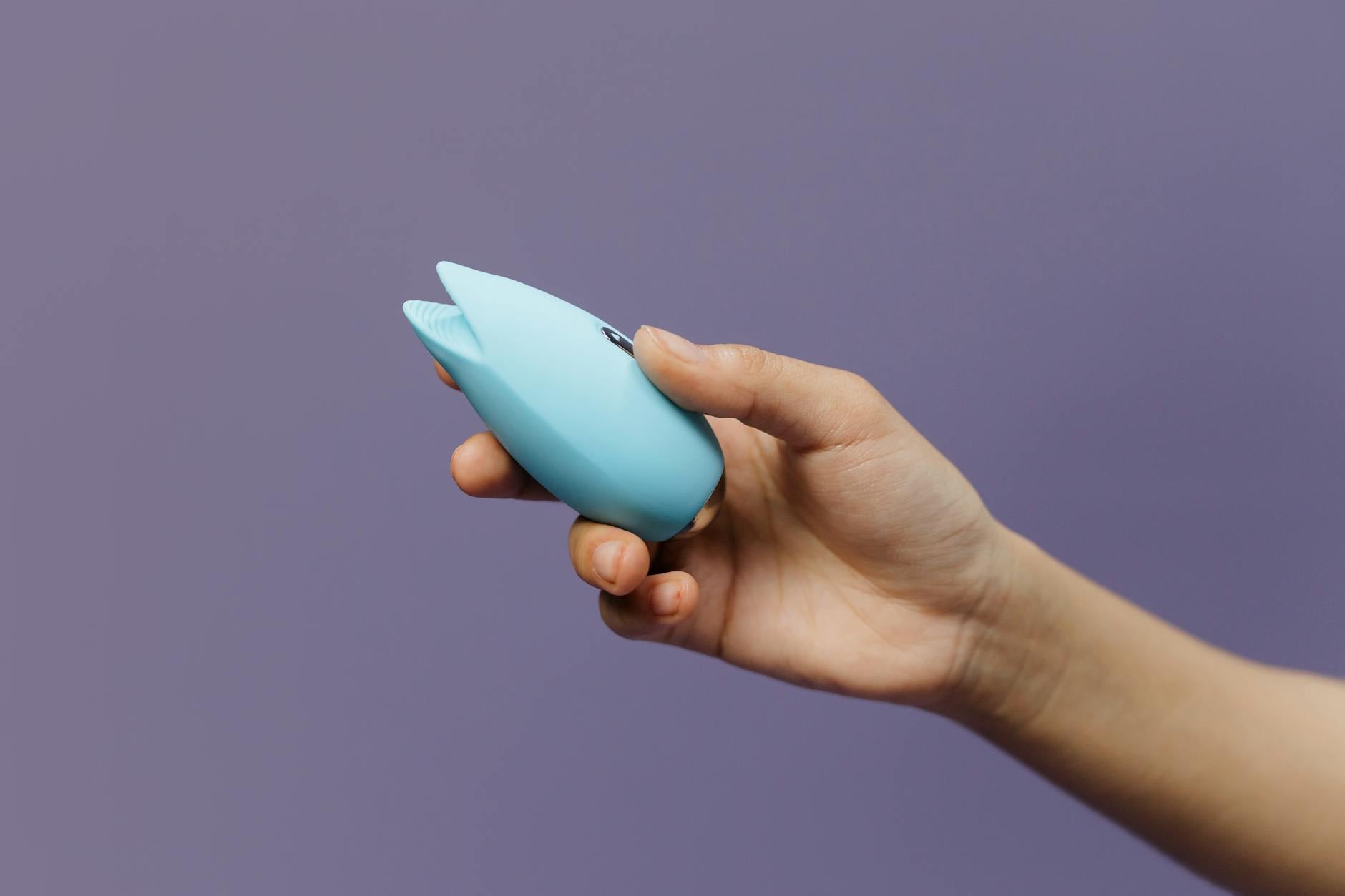
Photo by IFONNX Toys on Pexels
When to try this and when to wait
Don't do this if you're already disconnected from your partner. Remote intimacy doesn't fix a broken connection. It only works if there's already something there.
Wait until you're ready to have the conversation first. Not the awkward, face-to-face conversation. Just the text conversation where one person says, "I miss touching you. Would you want to try something together on video?" If they say yes, you're ready.
Don't try this the night before you're about to see each other in person. That creates frustration instead of connection. Do it in the middle of your separation cycle, when you need it most.
Don't do it if you're worried about privacy or security in your living situation. This requires privacy. Full stop. If you can't guarantee it, wait until you can.
The emotional piece everyone skips
What most couples don't realize is that remote intimacy is actually more vulnerable than in-person sex. Why? Because there's nowhere to hide. You can't blame a bad experience on logistics or bad timing. If something feels off, you have to actually talk about it.
This is why it works. Not because the tool is good, but because it forces the conversation. And the conversation is where the actual connection lives.
Some couples find that regular remote intimacy during their long-distance phase actually strengthens their relationship when they finally reunite. Why? Because they practiced asking for what they wanted. They practiced being present. They practiced vulnerability without the distraction of bodies in space.
Others find it painful because it highlights what they're missing. That's real too. If this doesn't feel good, you can stop. There's no rule that says long-distance couples have to do this. But if you're considering it, know that the awkwardness is temporary. The connection is the part that lasts.
FAQ: Real questions long-distance couples ask
Is it weird to use a lemon vibrator with my partner on video?
It feels weird the first time. By the third time, it feels intimate. By the fifth time, it feels normal. Weird and intimate are usually the same thing in early vulnerability. That passes.
What if we're in different time zones and can't sync up?
You don't have to sync. One person can send a video or photo knowing their partner will see it later. Some couples build a whole connection through asynchronous content. It's different, but it works if you're intentional about it.
Can we do this without talking about it extensively?
Not really. I know that's not what you want to hear. But the couples I work with who skip the conversation either regret it or feel more disconnected afterward. The conversation is where the safety lives. Take 15 minutes. Ask three questions. Then try it.
What if my partner thinks it's weird or isn't interested?
Then don't push. But also don't assume they're not interested without asking. Sometimes people need time to adjust to the idea. Suggest it once, clearly and without pressure. Then let it sit. If they come back to it, great. If they don't, you now know this isn't something you share and you can focus on other ways to stay close.
Is a remote-controlled vibrator worth the money?
Only if you're actually going to use it. A basic lemon clitoral vibrator and a video call costs zero dollars extra and often feels more intimate. The app-controlled version is nice if you like the power-exchange element, but don't spend $200 thinking the technology will fix a connection problem. It won't.
How do we keep this private and secure?
Use apps that don't store data (read the privacy policy). Use Bluetooth connection instead of cloud when possible. Don't send videos through apps owned by companies with sketchy privacy records. If you're not sure, text or email instead. Low-tech is often more secure for intimate content.
The real thing you're building
When I work with long-distance couples who maintain intimacy (in whatever form), what I notice is that they tend to have deeper conversations overall. They practice asking for what they want. They get comfortable with the word "no" and the word "yes" without hedging.
That's the actual benefit. Not the orgasm. Not the app. The practice of showing up for each other's pleasure when it's inconvenient, when it requires courage, when it would be easier to pretend the whole thing isn't happening.
Distance doesn't have to mean disconnection. But it does require intention. And it requires you to talk about it. Everything else is just logistics.
If you're navigating long distance and want more personalized guidance on rebuilding intimacy in your specific situation, I'm here. Get in touch and let's talk through what makes sense for your relationship right now.