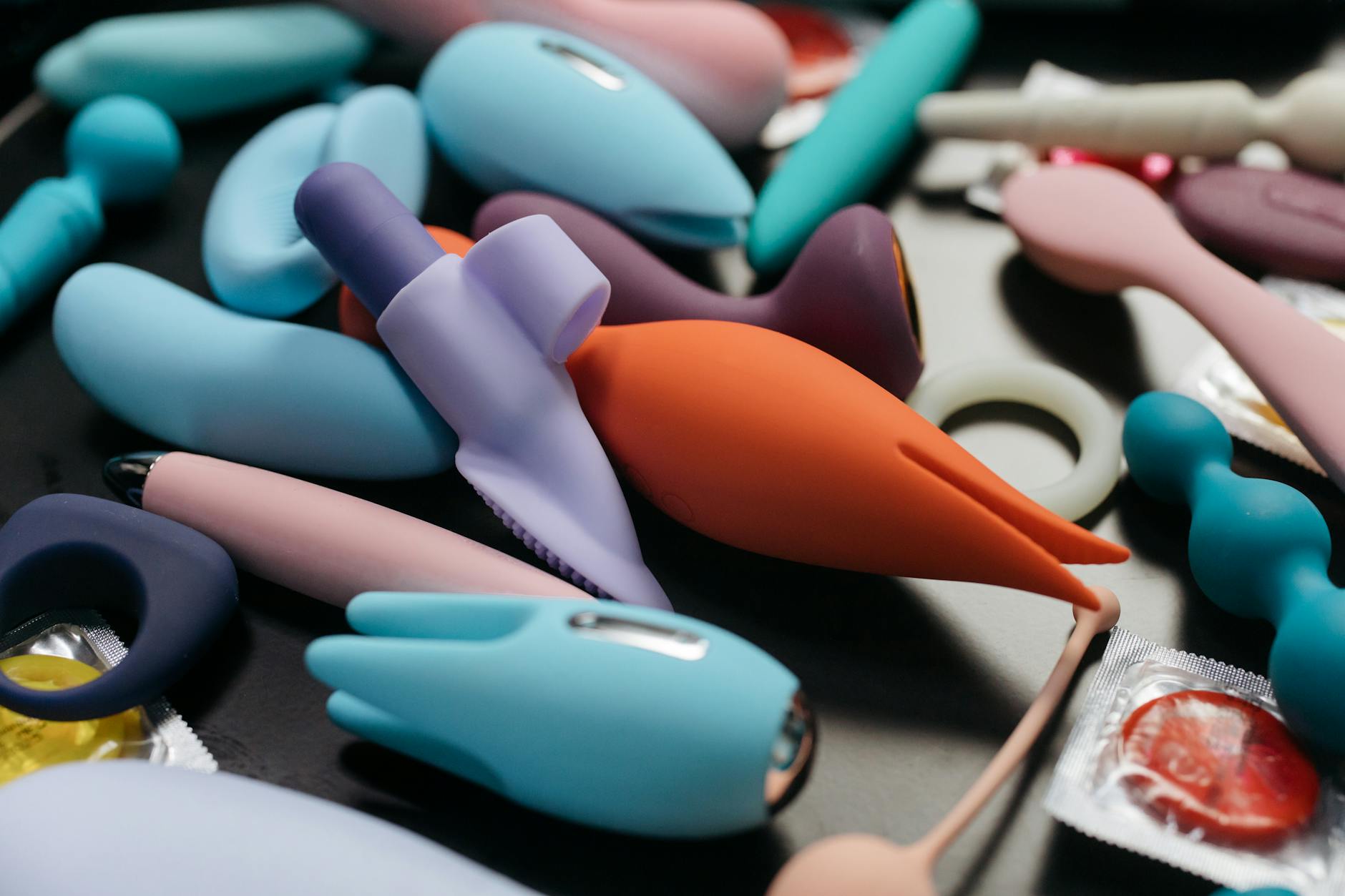
Let's talk about what no one tells you
Pelvic surgery is real surgery. Your body needs time to heal. But somewhere between your surgeon saying "no sexual activity for six weeks" and your own desire to feel like yourself again, nobody explains the middle ground. You're not broken. Healing doesn't erase pleasure. And when you're ready, lemon vibrators often work better than traditional options because they're non-penetrative, lower-pressure, and designed to stimulate without internal tissue contact.
Here's what recovery actually looks like, and how to navigate it.
Understanding the healing timeline
Most pelvic surgeries (hysterectomy, fibroid removal, prolapse repair, C-section) follow a similar external healing pattern. The first two weeks are about rest and letting incisions close. By week three to four, most people can move around normally. By week six, external tissue is usually stable enough for everyday activity.
But here's the thing nobody emphasizes: internal healing takes longer. Even when your surgeon clears you for "normal activity," the deeper tissues, nerve pathways, and scar tissue are still settling. This matters because it changes what feels good and what feels uncomfortable.
Clitoral stimulation sits outside this internal healing zone. The clitoris is external. It doesn't require penetration. And because lemon clitoral vibrators use suction rather than direct vibration, they create stimulation without the impact or pressure that can irritate healing tissue.
Why clitoral vibrators work better during recovery
Three reasons lemon sexual toys are uniquely suited to post-surgical pleasure.
First, no penetration required. After pelvic surgery, any internal tissue contact can feel raw, even weeks after clearance. Clitoral stimulation bypasses this entirely. You get full pleasure without the friction or pressure.
Second, suction mimics natural arousal. Traditional vibrators buzz against tissue. A lemon vibrator uses gentle suction that mimics what happens during oral sex. This triggers nerve pathways that don't depend on internal tissue integrity. For recovery, that's huge.
Third, the sensation is lower-impact. Healing tissue is sensitive. Even if something isn't painful, it can feel wrong in a way that kills arousal. Suction spreads stimulation across a wider area and feels gentler than concentrated vibration. Most people find it actually feels better during recovery, not worse.
The timeline for reintroducing pleasure
Here's how I typically guide people through this.
Weeks 1-2: Rest. Really rest. This isn't when you're thinking about lemon vibrators. You're thinking about pain management and sleep.
Weeks 3-4: You might start having sexual thoughts again. That's normal. You might have mild clitoral sensation. Don't act on it yet. Let your mind notice that desire is returning. That's your signal that things are waking up.
Weeks 4-6: Once your surgeon has cleared you for basic activity and you're off pain medication, you can start very gentle self-touch. Not with a toy. Just your hand. Very slow, very light. No goal. Just noticing sensation. If anything feels sharp or wrong, stop.
Weeks 6-8: If that went well, you can introduce a lemon clitoral vibrator at the lowest setting. Spend a lot of time at setting one or two. You're not chasing orgasm yet. You're reintroducing your body to pleasure in a new state.
Weeks 8+: Gradually experiment with higher settings if lower ones feel good. Some people stay on lower settings forever. That's fine. Your new baseline is valid.
Managing sensation during recovery
Healing tissue often feels different. Numb in some spots, hypersensitive in others. Scar tissue can create odd zones of sensation. This is temporary, but it means you need to be patient with yourself.
When you do introduce a lemon vibrator, start with the suction cup in the lowest setting and the shortest session time. Two to three minutes maximum. You're checking in with your body, not trying to reach orgasm. If sensation feels off but not painful, that's normal. Keep exploring gently.
Water-based lubricant helps significantly during recovery. Healing tissue is often drier than normal, and lube makes the sensation less pulling and more comfortable. It also protects tissue that's still fragile.
If you experience sharp pain, burning, or unusual discharge after using a vibrator, stop and contact your surgeon. This isn't failure. It's your body telling you it needs more time. Recovery isn't linear, and that's okay.
What partners should know
If you're in a relationship, your partner needs to understand that post-surgical recovery is about you reconnecting with your own body first. This isn't about them. Using a lemon vibrator during recovery is self-care, not a rejection.
Many partners worry they're supposed to restart sexual activity on a timeline. They're not. The goal is your comfort and pleasure, not hitting some imaginary deadline. If your partner can shift from "when can we have sex again" to "how can I support your healing," recovery gets easier.
Once you're further along in healing, lemon vibrators can absolutely be part of partnered pleasure. But early on, solo exploration is wise. You're relearning your body. That's private work.
When to be cautious
If you had extensive surgery, multiple incisions, or significant internal work, move more slowly. If you're still taking pain medication, wait longer. If you're still bleeding or have discharge, wait. Your body will signal readiness. Trust that.
Some surgical approaches (like vaginal hysterectomy) heal differently than others (like abdominal). Ask your surgeon specifically about clitoral stimulation and when it's likely to feel good again. They know your specific anatomy.
If you develop a new sensitivity to touch after surgery, that's worth mentioning to your surgeon too. Sometimes surgical sites create nerve sensitivity that takes months to settle. A professional can help distinguish normal healing sensation from something that needs attention.
The psychological part matters more than you think
Here's what nobody talks about: the mental shift after pelvic surgery. Your body just went through something significant. Even if the surgery was necessary and you're glad you had it, there's grief. Your internal anatomy changed. Your healing timeline disrupted your relationship. You might feel less like yourself.
Reintroducing pleasure isn't just physical. It's reclaiming your body as yours. Using a lemon vibrator after pelvic surgery is actually an act of resilience. You're saying, "I'm still here. I still feel. My body still deserves pleasure."
That matters more than whether you reach orgasm. The fact that you're willing to explore, to be gentle with yourself, to listen to your body as it heals. That's everything.
Your pleasure didn't disappear during surgery. It just went quiet for a bit. And lemon vibrators are often the easiest, gentlest way to bring it back.
FAQ
How long after pelvic surgery can I use a vibrator?
Most surgeons clear external stimulation around six to eight weeks post-surgery, once pain medication is finished and basic movement feels normal. But "cleared" and "comfortable" are different. Many people benefit from waiting until week eight or nine, then starting with the lowest settings. Listen to your body, not just the calendar.
Can I use a lemon vibrator if I still have internal stitches or staples?
Not yet. Wait until incisions are fully closed and your surgeon has confirmed you're past the acute healing phase. Once you're cleared for "normal activity," external clitoral stimulation is usually safe, but ask your surgeon specifically about your surgery type to be sure.
Will using a vibrator mess up my scar tissue?
No. Clitoral stimulation is external and doesn't touch scar tissue. Using a lemon vibrator gently on the clitoris won't interfere with how internal scar tissue settles. If anything, reestablishing pleasure helps your nervous system understand that your body is safe and healing.
What if sensation feels numb or weird during recovery?
That's incredibly common. Nerve pathways go quiet during intense surgery and take time to reawaken. Numb, tingly, or strange sensation during the first few months is normal. Keep exploring very gently. Sensation usually normalizes by three to four months post-surgery, but sometimes takes six. Don't force anything.
Is it normal to feel no desire during recovery?
Completely normal. Surgery, pain, hormonal changes from anesthesia, and just the stress of healing all suppress desire. Desire usually returns gradually around week four to six. If it hasn't returned by three months, mention it to your surgeon or a therapist. Sometimes desire takes longer, and that's a conversation worth having.
Can I use a lemon vibrator if I had a C-section?
Yes, but wait longer than with other surgeries. C-section is major abdominal surgery, and even though the incision is external, internal healing is extensive. Most people feel ready around eight to ten weeks. Start low, go slow, and trust discomfort as feedback.