Let's talk about what actually shifts
Perimenopause doesn't announce itself politely. One month your body feels like home. The next, pleasure requires a completely different map. Hormones fluctuate wildly before they settle, and during that flux, sensation changes in ways that feel random but are actually pretty predictable once you know what's happening.
Your clitoris doesn't stop working. Your capacity for orgasm doesn't vanish. But the way stimulation registers? That shifts. Estrogen drops in waves. Testosterone fluctuates. Blood flow patterns change. Tissue gets thinner. What felt incredible at thirty-eight might feel numb or overstimulating at forty-two, and then perfectly calibrated again at forty-four.
This is where most people panic and assume something's broken. It's not. Your body is just asking for a different conversation.
Why lemon vibrators (and suction in general) change the game
Traditional vibrators rely on vibration frequency to stimulate nerve endings. They're great. But they also apply direct pressure, which can feel intense or even uncomfortable when tissue thins or sensitivity patterns shift. Suction-based clitoral vibrators like the lemon work differently. They create rhythmic pressure changes rather than direct friction, which means the stimulation feels gentler, more expansive, and easier to control at lower intensities.
This matters during perimenopause because your sensitivity is already volatile. You don't need another tool demanding adjustment. You need one that meets you exactly where you are on any given day.
With a lemon vibrator, you can start at the lowest setting and work up only if it feels right. Most people find they can access pleasure faster with suction than they ever did with traditional vibration, even as their body's responsiveness fluctuates week to week.
Reading your body's new signals
During perimenopause, your baseline changes constantly. This week your clitoris might prefer light, sustained pressure. Next week it wants more intense stimulation. That's not instability. That's your body communicating in real time.
Before you use a lemon vibrator (or any toy), spend a few days just noticing. Does direct touch feel good right now, or does it feel sharp? When you're aroused, how long does it take? Has your preferred pressure changed? Are there times of day when sensation feels more available? These details matter because they tell you how to set up your experience for success.
Most people report that during perimenopause, warm-up time extends. Plan for fifteen to twenty minutes instead of five. Your nervous system isn't slow. Your body is just asking for more context before it responds. That's normal and temporary.

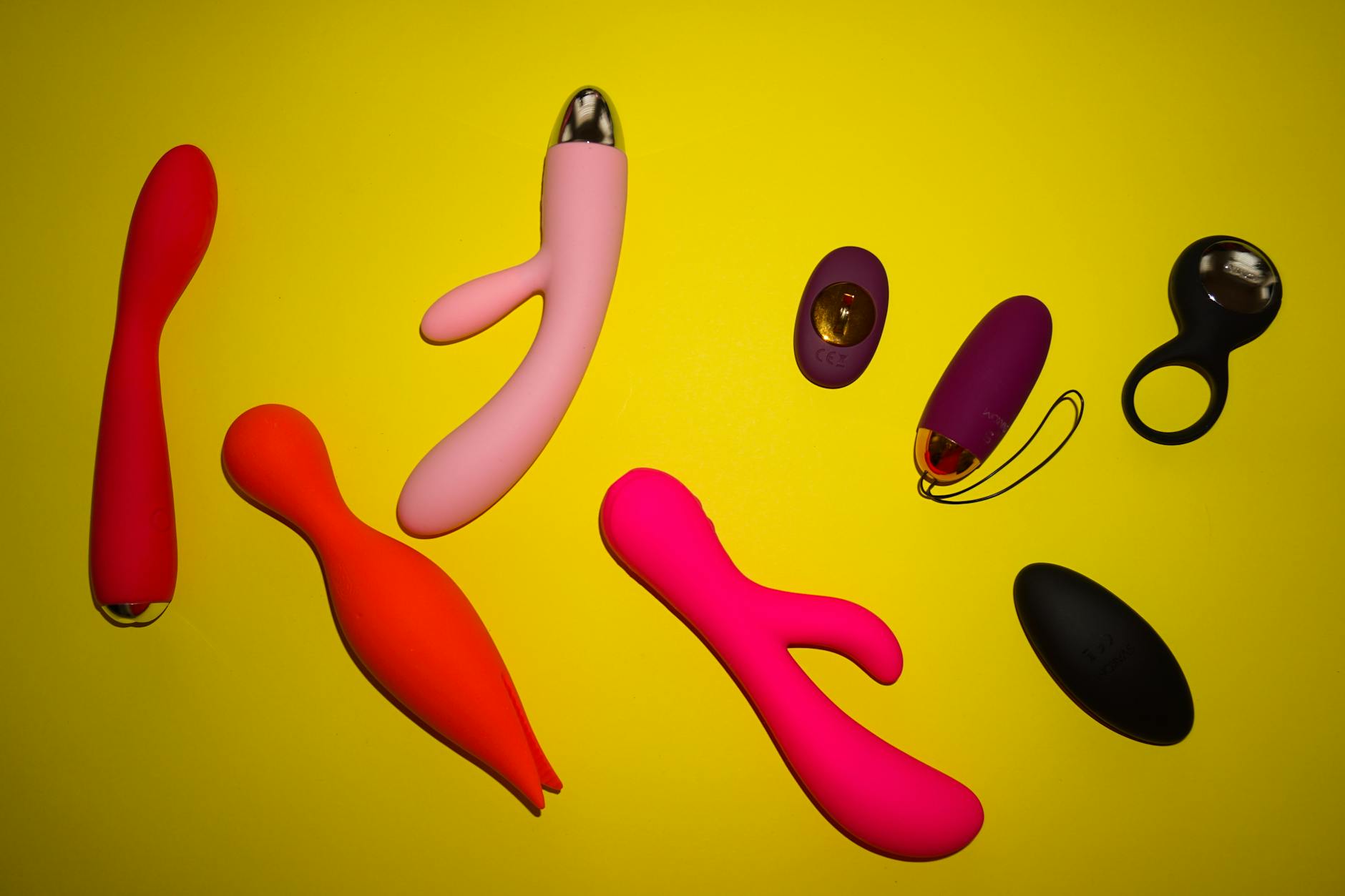
Photo by cottonbro studio on Pexels
The lubrication conversation nobody simplifies
Here's what happens: estrogen drops, tissue thins slightly, and natural lubrication changes. Some people produce less. Some produce more. Some find that what they produce feels different. This doesn't mean you're broken or less aroused. It means your body's chemistry is reorganizing.
With a lemon sucker, lubrication matters differently than with penetrative toys. You still want it, but you're not relying on it for comfort or ease in the same way. That said, a good water-based lube still helps the suction seal work better and makes the entire experience feel smoother.
I recommend keeping two lubes on hand during perimenopause: a standard water-based option for daily use, and a slightly thicker one for when sensation feels muted. Don't overthink it. Just have both available so you're not guessing on the night.
Starting with settings that actually work
Most lemon clitoral vibrators have five to seven intensity levels. During perimenopause, you'll probably live in the lower three. That's not a limitation. That's you being smart.
Start at level one or two. Spend time there. Notice how your body responds over five to ten minutes. Most people find that suction builds sensation gradually rather than hitting hard immediately, which means lower settings often deliver more intensity than you expect. You're looking for a setting where you feel stimulated but not overwhelmed. That balance point moves around during perimenopause, and that's exactly why starting low matters.
If level one feels too intense, try using it through clothing or over your underwear. Seriously. The buffer softens the suction just enough for many people. Your pleasure doesn't live exclusively in direct contact. Sometimes a tiny bit of distance gives you back control.
The pattern shift nobody expects
During perimenopause, you might notice that the patterns that used to work stop working. The rhythm that got you there in your thirties? Flat now. That's because your nervous system's response to stimulation is changing. Patterns that previously drove arousal might feel monotonous to a newly recalibrated nervous system.
With a lemon vibrator, experiment with switching patterns more frequently. Instead of using pattern three for fifteen minutes, try two minutes of pattern three, then thirty seconds of pattern five, then back to pattern two. Your body's been asking for variety anyway. Perimenopause just makes it obvious.
Many people also find that combining suction with other touch works better during this transition. Use your lemon vibrator on one area, then pause and use your hands elsewhere. Layer sensations instead of doubling down on one. This complexity often feels richer when your baseline sensitivity is unstable.
When to bring in backup
If your clitoris feels numb no matter what, or if suction triggers discomfort, that's not a character flaw. That's information. Some people experience temporary desensitization during hormonal shifts. Some experience heightened sensitivity. Both are temporary, both are common, and both respond to different approaches.
If you're in a numb phase, take a break from your lemon vibrator for a few days and just use your hands. Let your nervous system rest and reset. Then reintroduce the suction at very low intensity. The break often helps your body remember how to respond.
If everything feels raw or overstimulating, turn down the intensity further, use lubrication more generously, and consider addressing it with your doctor. Excessive sensitivity during perimenopause sometimes indicates inflammation or hormonal imbalances worth discussing with someone who knows your history.
Making pleasure a priority (not an obligation)
Here's the thing about perimenopause and pleasure: your body isn't broken, but the cultural narrative sure makes it feel that way. You're supposed to be less interested. Less responsive. Less capable. None of that is true. Your body is different, not diminished.
Using a lemon vibrator during this transition is a way of saying yes to yourself when everything else is changing. It's not makeup sex with your body. It's just pleasure, the same pleasure you deserved before perimenopause and deserve now.
Many people find that committing to regular pleasure during hormonal transitions actually stabilizes their mood and energy in ways that nothing else does. It's not spiritual. It's practical neurology. Your body releases oxytocin and dopamine during orgasm, and your brain absolutely needs those during times of hormonal chaos. You're not being self-indulgent. You're maintaining baseline mental health.
The FAQ section
Why does suction feel so different from vibration during perimenopause?
During perimenopause, tissue thickness and nerve sensitivity change constantly. Vibration applies direct repetitive pressure, which can feel overwhelming when your baseline sensitivity is volatile. Suction creates rhythmic pressure changes instead, which feels gentler and more controllable. Most people find they can access intensity gradually with suction rather than managing sudden overwhelming sensation. It's also easier to modulate downward if a setting becomes too intense, which matters when your body's responsiveness changes week to week.
Can I use my lemon vibrator during perimenopause if my clitoris feels numb?
Yes, but strategically. Numbness during hormonal transitions is often temporary and responsive to low-intensity stimulation over time. Start with your lemon vibrator at the lowest setting and extend your warm-up time to twenty minutes or more. Sometimes pausing for a few days and letting your nervous system reset helps too. If numbness persists beyond a few weeks, check in with your doctor. It might indicate inflammation or something that benefits from professional support.
How much lubrication should I use with a lemon clitoral vibrator during perimenopause?
Use enough for the suction to seal comfortably, but you don't need to oversaturate. Water-based lube works best and is compatible with silicone toys. Start with a small amount and add more if the suction seal feels compromised or if direct contact feels uncomfortable. Some people find that switching to slightly thicker lubrication during perimenopause helps the seal work better, especially if natural lubrication feels less available.
Will using a lemon vibrator make my clitoris less sensitive over time?
No. Your body adapts to consistent stimulation patterns, but that's different from losing sensitivity. During perimenopause, you might notice that a pattern that worked before feels less effective. That's not desensitization. That's your nervous system asking for variation. Switch up your patterns, your timing, and your intensity. Variation actually prevents adaptation and keeps sensation fresh.
Can I use my lemon vibrator if I'm also dealing with hormonal fluctuations during perimenopause?
Absolutely. Hormonal fluctuations make pleasure more variable, not impossible. Your lemon vibrator is actually ideal because you can adjust intensity and pattern based on what your body needs on any given day. Some days you'll live at level two. Other days level four feels perfect. That flexibility is exactly what you need during hormonal chaos. Track what works when, and you'll quickly map the patterns.
Should I use my lemon vibrator differently before my period versus after during perimenopause?
Many people notice their optimal intensity and pattern shift across their cycle, even during perimenopause when cycles are irregular. Spend a few months noticing your own patterns. Some people prefer lower intensity and slower patterns just before their period. Others want intensity. You'll discover your rhythm once you pay attention. That awareness actually makes pleasure more reliable, even when your cycle isn't.
What actually helps
Perimenopause is temporary. Your body will settle into a new baseline. Until it does, your lemon vibrator becomes a tool for staying connected to your own pleasure while everything else shifts. Not as a band-aid. Not as a workaround. Just as a straightforward way of saying that pleasure still belongs to you, even when your body is doing something unexpected.
Start low. Stay curious. Listen to what your body tells you each time. That's all you need.
If you want to talk through your specific situation, we're here at Nancy Lemontoy. Pleasure during perimenopause doesn't have to be confusing.