Let's talk about what most people get wrong about multiples
Honestly, the fantasy of back-to-back orgasms that feel identical is just that. A fantasy. Your first orgasm and your second are neurologically and physiologically different experiences, and that's not a flaw. It's actually information.
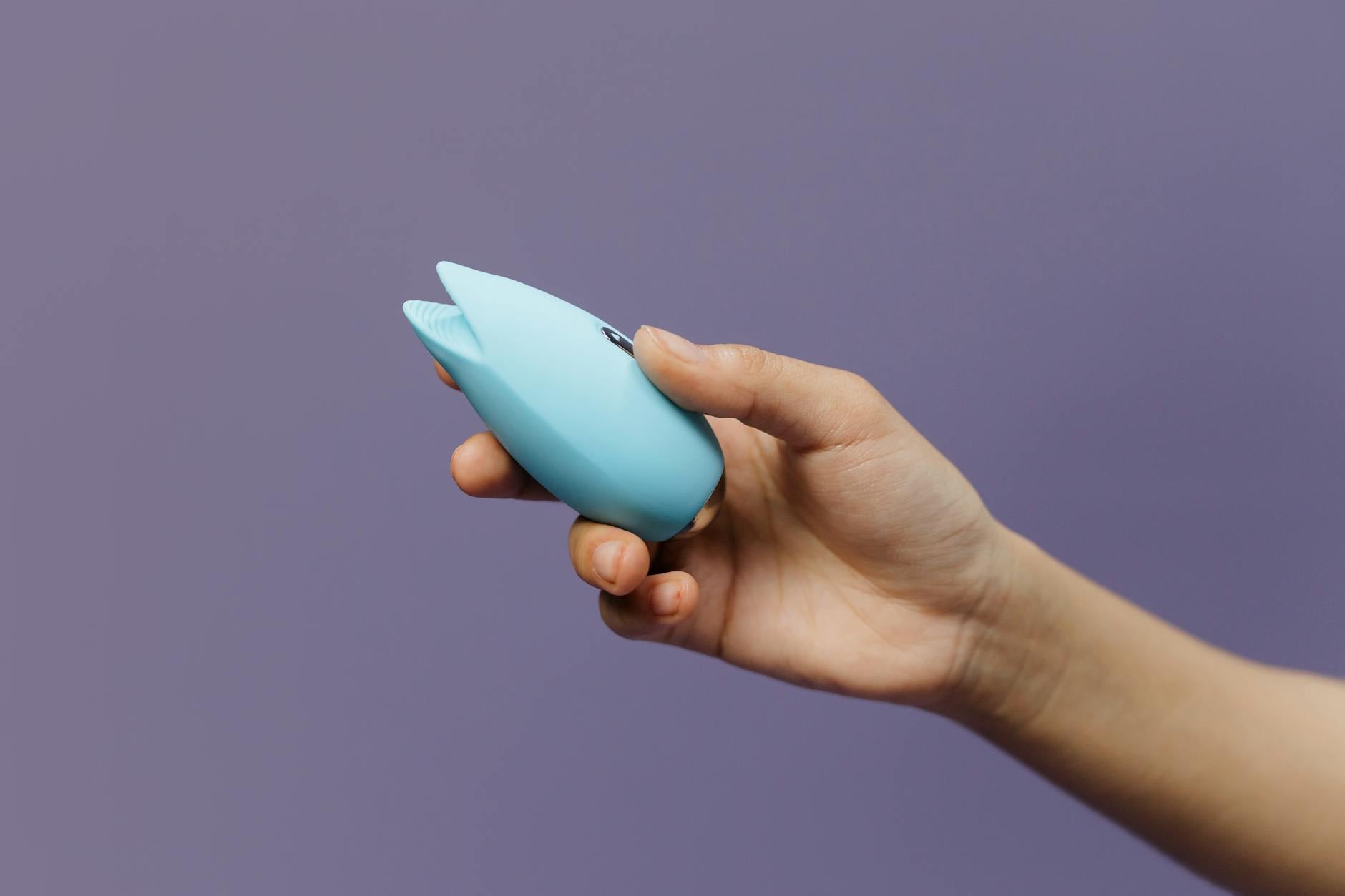
When people try to use their lemon clitoral vibrator for multiple orgasms without understanding the recovery window, they either give up frustrated or they chase sensation that's already shifted. That's why I want to walk you through how your body actually responds, and how to use tools like the Lem to work with that response instead of against it.
The refractory period is real for everyone
Most of what you've heard about refractory periods (the rest time between orgasms) focuses on people with penises. But clitoral tissue has one too, and it's wildly variable. For some people it's 30 seconds. For others it's 15 minutes. Both are completely normal.
Your refractory period isn't fixed either. It changes with stress, cycle phase, how aroused you were before the first orgasm, and how intense that orgasm felt. A sharp, intense first climax might demand more recovery time than a gentler, longer-building one.
Why does this matter for using lemon vibrators? Because the intensity setting you choose at the start shapes what comes next. Higher intensity right away means more residual sensation sensitivity afterward. Sometimes that's perfect for chasing a second orgasm. Sometimes it means your clitoris needs a real break.
The pleasure-stacking approach that actually works
Instead of going for identical orgasms back-to-back, try pleasure stacking. This is where you let your clitoris recover slightly, then build arousal again from a higher baseline. Your Lem vibrator is excellent for this because the suction mode gives you precise control over intensity.
Here's the real structure:
Phase one: the first orgasm. Build from a lower pattern (try 2 or 3) and let arousal accumulate naturally. Don't rush. This takes 8 to 15 minutes for most people. When you feel the peak approaching, you can increase intensity if you want, or stay steady. Let it finish naturally.
Phase two: the rest and reset. After your first orgasm, pause for 1 to 3 minutes. Not hours. Just breathing, feeling your body settle. During this time your clitoris is still warm and responsive, but the immediate hypersensitivity starts to fade. This is when your nervous system recalibrates.
Phase three: the rebuild. Start your Lem again, but begin at pattern 1 or 2. Even lower than before. Your clitoris is now primed. Arousal builds faster the second time, which means you can reach orgasm in 3 to 8 minutes if you're working with patterns 3 and up. Many people find their second orgasm feels deeper or longer rather than sharper.
Why your second orgasm feels different (and that's fine)
Your nervous system has already fired the big initial release. The second orgasm often pulls from a different neural pathway. Some people describe it as more localized or internal. Others say it's less intense but longer. A few find it actually stronger.
This variation is not a failure. It's your body showing you different flavors of pleasure. If you go into the second round expecting an identical experience, you'll miss what's actually happening.
That said, if the second orgasm feels uncomfortable or painful, stop. That's your body saying the tissue needs actual recovery time. Water-based lube helps significantly here. Even if you don't think you need extra lubrication, a light layer reduces friction and lets you go longer without irritation.
The rhythm that supports multiple orgasms
Pacing matters. If you're sprinting to orgasm number two, you're fighting your physiology. If you're willing to spend 10 to 15 minutes on the whole experience, you're working with it.
Think of it this way: a single intense orgasm takes 12 minutes. Two orgasms with recovery and rebuild might take 20 to 30 minutes total. But you're not spending more effort. You're spending different effort.
For the second round especially, lower your initial intensity. Your clitoris is more sensitive than it was at baseline. Pattern 2 might feel like Pattern 4 did before. This is not regression. It's adjustment. Some people find that staying at lower patterns for both orgasms actually gives them a third one, because they never push the tissue into fatigue.
When to stop pushing
There's a difference between "I want to keep going" and "I'm chasing sensation that's already left." The second one feels like repetitive motion without buildup. Like you're moving the lemon vibrator but nothing's happening neurologically.
When you hit that wall, stop. Your clitoris might be temporarily desensitized, which is normal and temporary. Forcing more stimulation doesn't reset it faster. Rest, hydration, and a break actually does.
Also worth knowing: if you're trying for multiples several times a week, give yourself at least one or two days where you just have one orgasm or none. Your nervous system benefits from variation. Chasing multiples constantly can actually make single orgasms harder to achieve because you're training your body to need escalating intensity.
The partner conversation you might need
If you're exploring multiple orgasms with a partner, they need to understand that you might slow down, pause, or ask them to stop stimulating while you recover. This isn't rejection. It's you managing your body's actual response.
Many partners interpret a pause as "something's wrong." Telling them in advance that you're aiming for two orgasms and that there will be a 2 to 3 minute rest in the middle makes the whole thing less confusing. You're not failing to perform. You're managing pleasure intelligently.
For partnered sex that includes lemon vibrators, the Lem works great because it's designed for external use and it's quiet enough that conversation doesn't get drowned out. You can actually talk during the recovery phase instead of just lying there wondering if something's broken.
The hormonal piece that changes everything
Your cycle phase affects how achievable multiples are. In the follicular phase (after menstruation, before ovulation), most people find orgasms easier to access and easier to repeat. Sensitivity is naturally higher and recovery time is often shorter.
During the luteal phase (after ovulation), the same technique might feel like you're working twice as hard for the same result. This isn't failure. Your hormones are genuinely different. Expecting yourself to access the same pleasure response every day is fighting your own biology.
This is why tracking when multiples feel easy versus impossible actually helps. You learn that the friction isn't you. It's your cycle. That's liberating.
Building stamina over time
If you're new to multiples, don't expect three orgasms next week. Build gradually. Try for two consistent climaxes first, let that feel natural, then explore three. Your nervous system literally rewires with practice, which means consistent exploration teaches your body new responses.
What many people don't realize is that using a lemon clitoral vibrator regularly for single orgasms actually preps you for multiples. You learn your arousal curve. You understand your intensity sweet spot. You get comfortable with your body's signals. That foundation is what makes multiples accessible.
The same applies whether you're using solo or with a partner. That comfort and knowledge is what travels into every experience.
People also ask
How long should I wait between orgasms when using a lemon vibrator?
Wait 1 to 3 minutes for most bodies. This is enough time for the immediate hypersensitivity to fade but not so long that arousal drops significantly. Some people find 30 seconds works fine, others need 5 to 10 minutes. The best way to figure out your window is to pay attention. After your first orgasm, notice when your clitoris feels ready for gentle touch again. That's your signal to restart.
Can I get multiple orgasms if I usually only have one?
Yes, though it requires patience and understanding how your recovery works. Most people who have one orgasm consistently can learn to access a second with lower intensity and proper pacing. You're not building a new capacity so much as revealing one that's already there. Start with the pleasure-stacking approach described above, and give yourself at least a few weeks of practice before deciding it's not for you.
Does using a lemon clitoral vibrator make multiple orgasms harder or easier?
Easier, generally. The precise intensity control and suction mechanism let you dial in exactly what your clitoris needs without the hand fatigue or pressure variation of manual stimulation. That consistency makes it easier to understand your recovery window and rebuild arousal intentionally. The Lem specifically is great for this because you can start very low and increase gradually without jumping between settings.
What if my second orgasm feels numb or doesn't happen at all?
That's a signal that your clitoris needs more recovery time. Some bodies are built for multiples with short recovery. Others need 10 to 20 minutes between. Neither is wrong. If you're consistently not feeling the second one, try extending your rest period, lowering your starting intensity for round two, or waiting longer between arousal sessions. Also check lubrication. Added dryness after the first orgasm is normal and easily fixed with water-based lube.
Can I combine lemon vibrators with other stimulation for multiples?
Absolutely. Some people find that switching between clitoral and internal stimulation during the recovery phase actually shortens it. Others find combining a lemon vibrator with penetration during the second round creates a different sensation profile that feels more accessible. The key is treating each round as its own experience rather than trying to recreate the first one. Experiment and pay attention to what your body tells you.
Is it normal for multiples to feel less intense than a single orgasm?
Completely normal. Your nervous system distributes pleasure differently across multiple climaxes. The first is often the sharpest because the buildup is longest. Subsequent ones might feel rounder, longer, or more diffuse. Some people prefer the gentler feeling of a second orgasm to the intensity of the first. Others find the third is actually the strongest. None of these patterns mean anything is wrong. They're just different expressions of pleasure.
The bigger picture
Pursuing multiple orgasms isn't a fitness goal where more is always better. It's an exploration of what your body can do when given time, attention, and the right tools. Sometimes that's two orgasms. Sometimes it's one really good one. Sometimes it's five in a session and then a week where you're satisfied with none.
What matters is that you're working with your body instead of against it. When you use a lemon clitoral vibrator intentionally, with recovery time and realistic expectations, you stop chasing and start actually experiencing. That's where the real pleasure lives.