
Here's the thing nobody tells you
Recovery from surgery, illness, or trauma doesn't move in a straight line. You might feel fine one day, depleted the next. Your body has its own timeline, and that timeline rarely matches what anyone promised you. The same goes for pleasure. Most medical advice tells you when you're "cleared" to have sex again. What it doesn't tell you is what to do when your body isn't actually ready, even though the calendar says it should be.
That's where lemon clitoral vibrators come in. Not as a solution to rush past healing, but as a tool to meet yourself where you actually are.
Why recovery affects pleasure differently than you'd expect
When you're healing from something physical.labor surgery, injury, or an illness that knocked you sideways.it affects more than just the site of trauma. Nerves take time to settle. Anxiety about reinjury lives in your nervous system, not just your conscious mind. Fatigue lingers long after you feel "better" on paper. And your body's capacity for arousal sometimes feels completely absent, even though the physical restriction is lifting.
This is especially true if your recovery involved the pelvic region, hormonal shifts, or prolonged bed rest. Your tissues need time. Your nervous system needs time. Your brain needs time to trust that sensation is safe again.
The temptation is to push through this phase. To use willpower or a toy that demands intensity you don't have. That usually backfires. It creates tension instead of release, which sets recovery back further.
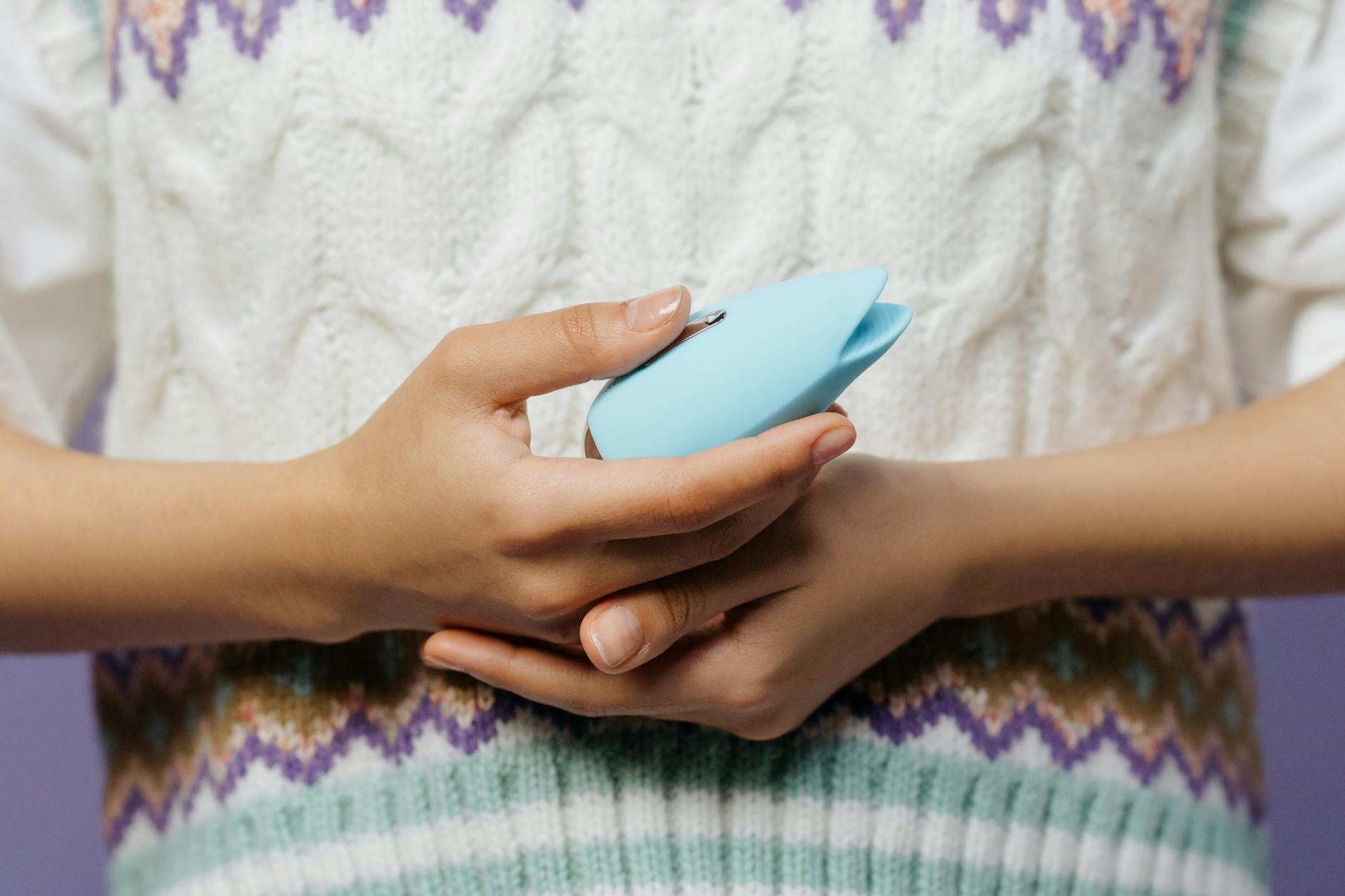
Photo by cottonbro studio on Pexels
Why air-suction lemon vibrators work better during slow recovery
Most vibrators rely on direct mechanical stimulation. That means speed, pressure, and friction. During recovery, your tissues are often more sensitive, your pelvic floor is usually tense, and your nervous system is cautious. Direct vibration can feel too intense, even on the lowest setting.
Lemon sucker technology works differently. The Lem, Nancy Lemontoy's clitoral vibrator, uses gentle air-suction pulses. Instead of vibrating directly against tissue, it creates a subtle pressure wave. This approach has several advantages when you're healing:
It doesn't require full arousal to feel good. With traditional vibrators, numbness or slow arousal can mean nothing registers. Air-suction patterns work at a different frequency, so even mild sensation can become pleasurable without the pressure to be "properly turned on."
It's easier to control intensity without switching devices. The Lem has multiple pattern settings but they're all within a gentler range. You're not choosing between "too soft" and "too much." You're choosing between subtle variations of comfortable.
It doesn't demand you tense your pelvic floor to feel stimulation. Mechanical vibration often triggers automatic tensing as your body tries to intensify the sensation. Suction works with a relaxed pelvic floor, which actually speeds healing.
It's quieter, so there's less performance pressure. When you're already anxious about whether your body "works" anymore, external noise can amplify self-consciousness. A quieter lemon vibrator means you can focus on sensation instead of worrying about being heard.
How to approach pleasure during extended recovery
Let's separate expectations from reality. Most medical guidance gives you a binary choice: don't touch it, or you're cleared to resume everything. Recovery in real life is more granular than that.
Week 1-3 after clearance: Observation, not stimulation.
This sounds counterintuitive, but before you introduce any toy, spend time just noticing. Lie down without any agenda. Notice where your body feels warm or tense. Notice where sensation feels present versus numb. Breathe into the areas that feel tight. This primes your nervous system to recognize safe sensation again without the pressure of orgasm.
Week 3-6: Gentle reintroduction with minimal pressure.
Start with the Lem on its lowest pattern. The goal is not arousal or climax. The goal is data. Does this pattern feel soothing or irritating? Does your body relax or tighten? Spend five to eight minutes exploring. Stop before you feel fatigued. Your nervous system is learning to trust sensation again; pushing past that window of comfort teaches it the opposite.
Week 6 onward: Graduated intensity as your body signals readiness.
As your tolerance builds, you can experiment with higher patterns or longer sessions. But notice: you're waiting for your body's signal, not your calendar's. If a pattern still feels too intense, stay with what works. There's no prize for reaching "full intensity" faster.
The conversation you probably need to have with your partner
If you're in a relationship, your partner is probably anxious too. They might interpret slow recovery as rejection. They might push you toward faster progress to feel reassured that everything is "normal" again. That dynamic makes recovery harder, not easier.
Here's what helps: Tell them explicitly that recovery isn't about them. It's not about your attraction or your desire for them. It's about your nervous system learning to feel safe again. And that process has its own timeline.
You might also tell them that solo exploration with a lemon vibrator is part of your recovery plan, not an alternative to partnership. It's you rebuilding trust in your own sensation, which ultimately makes partnered intimacy better. Most partners actually feel relieved to hear this because it removes the pressure of being responsible for your healing.
Photo by cottonbro studio on Pexels
What slow recovery actually reveals
Here's something I've observed clinically: people who rush recovery often miss what their body is trying to teach them. Slow recovery forces you to listen. And what you usually discover is that your nervous system has preferences you never noticed before. Maybe you need five minutes of breathing before stimulation registers. Maybe pattern three feels better than pattern five. Maybe you prefer exploring alone before your partner is involved.
These aren't limitations of recovery. These are the truths about how your body actually works, and most people never learn them because they're moving too fast. When you finally settle into pleasure that doesn't demand speed, it's often deeper than what came before.
That's not poetic. That's neurological. Your brain literally rewires when you slow down enough to really pay attention.
When recovery is taking longer than seems reasonable
If you're six months post-clearance and sensation still feels absent, or if pain persists, don't just assume this is normal. Talk to a pelvic floor physical therapist or a doctor who specializes in sexual health. Sometimes extended numbness signals nerve damage that benefits from specific treatment. Sometimes persistent pain means scar tissue needs attention. Recovery isn't something you just endure; it's something you optimize.
The same goes for mental health. If anxiety about your body hasn't eased, or if you're grieving your former baseline, that's real and worth addressing with a therapist. Pleasure lives in both your body and your mind. Recovery means tending to both.
The permission you actually need
You don't need to rush. Your body doesn't need to perform on schedule. A tool like the Lem clitoral vibrator works during recovery because it asks almost nothing of you while your nervous system is healing. It meets you where you are, not where you think you should be.
That's the whole point. Pleasure during recovery isn't about hitting some finish line. It's about learning that your body is still yours, still capable, still worth attention. It just needs time, gentleness, and the right tools. You deserve all three.
People also ask
How long after surgery can I safely use a lemon vibrator?
That depends on the surgery. Generally, if you're cleared for vaginal penetration by your doctor, gentle air-suction stimulation on the external clitoris is safe. But "cleared" and "ready" are different. Start at least a week after clearance, begin with the lowest setting, and stop immediately if you feel sharp pain or increased swelling. If something feels wrong, check with your surgeon before continuing.
What if the lemon sucker feels overwhelming even on the lowest setting?
Stop using it temporarily. Your nervous system isn't ready yet, and pushing will delay recovery. Spend another week or two with the observation phase we described earlier. Then try again, starting with just 2-3 minutes. Sometimes the problem isn't the toy; it's that your body needs more time before any external stimulus feels safe. Respecting that is what actually speeds healing.
Can I use a lemon vibrator if I'm on medication that affects sensation?
Depends on the medication. Some medications numb sensation temporarily; others do so long-term. If you're on antidepressants, certain pain medications, or antihistamines, mention this to your doctor when asking about sexual activity post-recovery. They can tell you whether the numbness is temporary or likely to persist, and that information helps you plan realistic recovery milestones. A lemon clitoral vibrator can help bridge sensation gaps, but it's not a substitute for that conversation.
Is it normal to need longer recovery than the "clearance timeline" suggests?
Yes, absolutely. Medical timelines are based on tissue healing, not nervous system healing. Your body might be physically ready before your brain feels safe, or vice versa. This is normal, common, and not a sign that something is wrong with you. Honor your actual timeline, not the one someone else set for you.
Should I tell my partner I'm using a lemon vibrator during recovery?
It depends on your relationship and how you frame it. If you say, "I'm using this as part of rebuilding sensation during recovery," most partners understand it as medical self-care. If you hide it, they might feel hurt if they find out. Transparency usually works better. You might even explore together once your body is further along, turning your recovery into something you navigate as a team.
What if I still feel numb weeks into recovery?
Contactyour doctor. Persistent numbness can signal nerve involvement, and some issues respond better to targeted physical therapy or nerve-specific treatment than to time alone. You're not broken if recovery takes longer, but you're also not obligated to just wait it out. There's a middle path: patience with your actual body plus active support from practitioners who understand sexual health during recovery.