Let's talk about the part of surgery recovery nobody prepares you for
Surgery heals the body. It doesn't always heal pleasure the same way. Whether you've had a hysterectomy, fibroid removal, endometriosis excision, or any procedure that touches pelvic tissue, you're dealing with swelling, scar formation, and nerve pathways that are temporarily confused about what signals to send. Sensation can feel numb, sharp, scattered, or just completely absent. That's not permanent. But it is real, and pretending otherwise only delays your return to the things that feel good.
Here's what actually happens physiologically during recovery, and how lemon vibrators fit into a sensible timeline for rebuilding pleasure.
The timeline your doctor probably didn't explain clearly
Most gynecologists give you one instruction: wait six weeks before penetrative sex. That's a floor, not a ceiling, and it tells you almost nothing about pleasure that doesn't involve penetration. The nervous system needs different timings than your incisions do.
Weeks one through four, your job is rest. No vibrators, no toys, no sexual activity of any kind. Your pelvic floor is inflamed and doing repair work. You're also likely on pain medication that messes with sensation anyway. Trying to stimulate now is like trying to read with your eyes closed.
Weeks five and six, some light sensation work can begin. This is when you might start noticing your body again. Gentle external touch to non-surgical areas. A warm bath. Nothing inside, nothing buzzing.
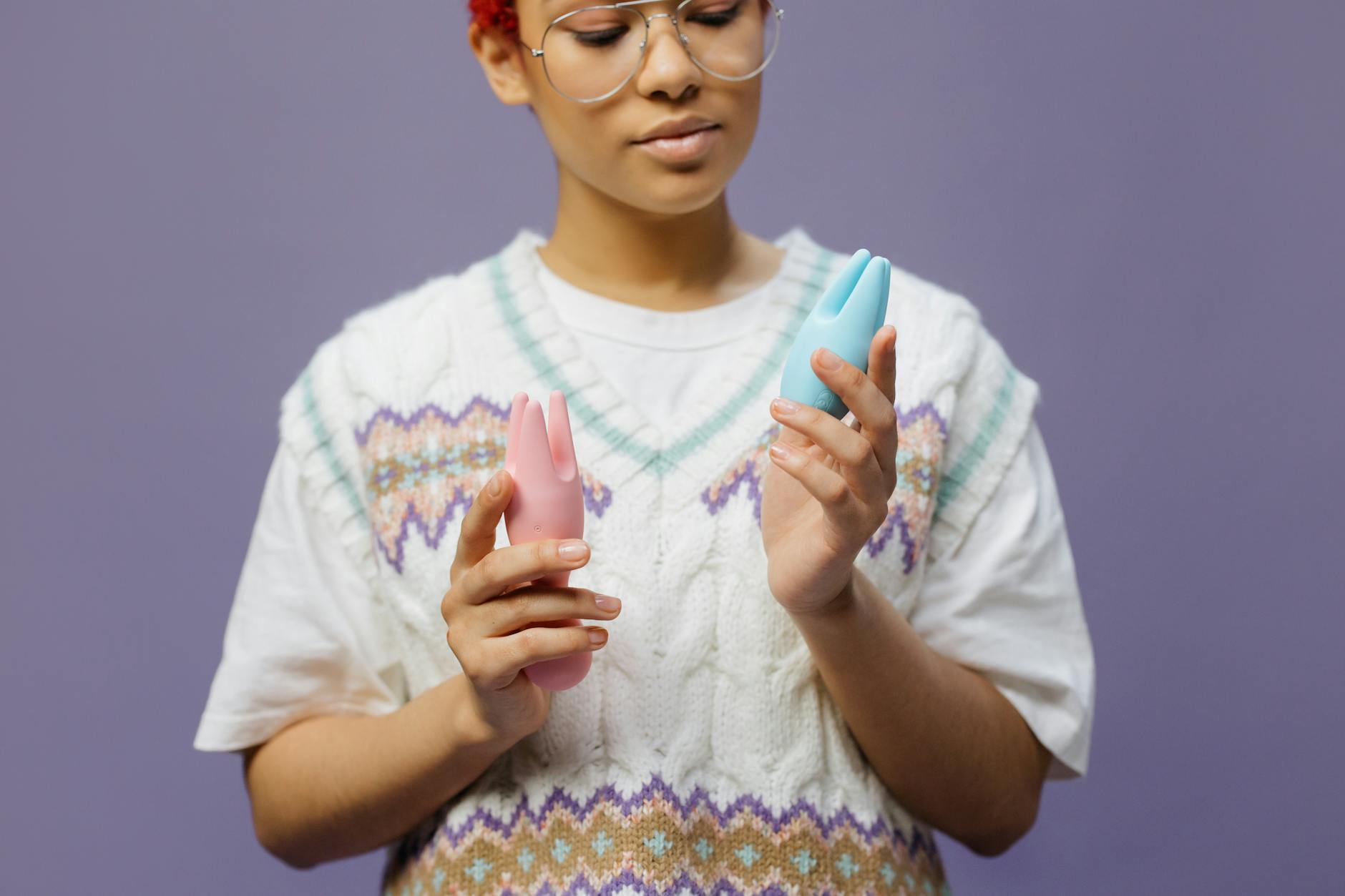
Week seven onward, if your surgeon clears you, external stimulation tools like lemon clitoral vibrators become relevant. The suction pattern on devices like the Lem is gentler than vibration alone, which matters because post-surgical tissue is still tender and easily overwhelmed.
Why suction stimulation beats vibration after surgery
Vibration sends micro-movements directly into tissue that's still knitting itself back together. That can feel sharp, jarring, or even painful if you're too early in recovery. Suction works differently. It creates a gentle vacuum around the clitoris, which stimulates nerves without the friction or direct percussion that traditional vibrators rely on.
For someone six to eight weeks post-op, this matters enormously. Your clitoris itself wasn't necessarily touched during surgery, but the surrounding tissue was. Scar tissue changes how stimulation feels. Swelling changes sensitivity. Suction accommodates both of those realities because it doesn't require your tissue to be in perfect condition to feel good.
The other advantage: you control the intensity by how much of your body you're in contact with the device. A lemon clitoral vibrator engages through gentle suction, not relentless vibration patterns. If something feels too intense, you can ease back without turning the device off entirely.
How to actually use a lemon vibrator during recovery
Start your first session in week seven or eight, whenever your surgeon gives you the all-clear for external genital contact. Don't jump to the highest setting.
First, expect numbness. Lots of it. Post-surgical nerve damage is temporary, but it feels permanent in the moment. You might feel pressure but no pleasure. You might feel tingling. You might feel nothing. All of this is normal. Your nervous system is literally rewiring itself. This takes time.
Begin on the lowest setting for five minutes maximum. Your goal isn't orgasm. It's sensation data. You're asking your body: what can you feel right now? The answer will change week to week.
Use plenty of water-based lubricant. Surgical recovery dries tissue out, and lubrication reduces any friction against healing skin. Don't skip this.
Stop immediately if you feel sharp pain. Pressure is fine. Intensity is fine. Sharp, shooting pain means you're too far along in the session or you need more time before this type of stimulation.
Repeat every two or three days, not daily. Your body needs recovery time between sessions, just like it needed recovery time from surgery itself.
The emotional side of pleasure after surgery
Here's what surgeons really don't tell you: recovery involves grief. You're mourning the body you had before, even if the surgery was necessary and even if you're relieved to be rid of whatever condition required it. That grief affects sensation directly because desire isn't purely physical.
Many people experience a strange disconnect during post-surgical recovery: their body is healing fine, but they don't want to be touched at all. That's not a medical problem. That's information. It often means you need to grieve and rest longer before pleasure-seeking makes sense.
If that's you, that's okay. Using a lemon clitoral vibrator isn't mandatory. It's an option for when you're ready to check in with sensation again. The timeline is yours.
If you have a partner, the conversation gets trickier. Many partners feel hurt or rejected when sex pauses for months. That's on them to process, not on you to solve by forcing pleasure before you're ready. The most honest thing you can do is name the timeline: "I'm expecting another four weeks before I'm ready to try something with you." Precision is kind.
When sensation doesn't return as expected
Most people recover full or nearly full sensation within three to four months. Some take longer. A small percentage experience persistent numbness or altered sensation that lasts much longer.
If you're at the three-month mark and things haven't budged, talk to your surgeon. Nerve damage during surgery is rare but possible. If it happened, you want to know now, not six months from now. Options include pelvic floor physical therapy (which helps rewire sensation), specific treatments for neuropathic pain, or in some cases, further evaluation for nerve damage that might be addressed.
Don't accept vague reassurance. Push for specifics. "It should improve on its own" is different from "Here's what improvement typically looks like week by week, and here's when we should revisit if it's not happening."
Building back into partnered pleasure
Once you're comfortably using a lemon vibrator alone, partnered pleasure can follow, but not immediately. Introduce your partner to the idea gradually. Use the vibrator with your partner present but not directing. Let them see what you enjoy. Then gradually invite them into the experience.
Many couples find that external stimulation tools actually ease the return to partnered sex after surgery. There's less pressure to perform or orgasm. It's lower stakes. It gives both of you a chance to rebuild that connection without the intensity of penetration.
The timeline for returning to what felt normal before
Full sensation recovery usually takes four to six months. Some variations take longer. Your body isn't broken if this is slow. Pelvic surgery is significant. Your nervous system was activated by trauma, even if the surgery was healing trauma. That takes time to reset.
By month four or five, most people can return to the intensity and variety of pleasure they enjoyed before surgery. A lemon clitoral vibrator that felt overwhelming in month two becomes exactly right by month four. The device didn't change. Your tissue did.
Use that progression as information. If you're consistently able to handle more intensity, more time, more sensation variation week to week, you're healing well. If you're stuck at the same level for weeks, that's when you check in with your surgeon or a pelvic floor specialist.
Your pleasure matters. Recovery is temporary. Getting back there thoughtfully, with tools that respect your healing timeline, makes all the difference.