
The conversation nobody wants to have
Here's the thing about pleasure talk in relationships: most couples will navigate a mortgage, raise a child, and weather a job loss before they ever say "Here's what I actually want when we're intimate." It's not because they don't care. It's because the conversation feels fragile. Too direct. Too vulnerable. Too likely to hurt someone's feelings.
So they don't talk about it. And they don't talk about it. And then they've been together for five years not talking about it, and the gap between what they want and what's happening feels too wide to bridge with words alone.
If this is your situation, lemon vibrators and clitoral vibrators offer something unexpected: a physical invitation to the conversation without requiring the words first.
Why pleasure talk stalls
There are three common reasons couples get stuck here. Understanding which one applies to you changes how you use a tool like the Lem.
First: fear of rejection. If you tell your partner what you want and they don't want to do it, suddenly you're managing their feelings about your preferences. That's a lot of emotional labor, so you say nothing.
Second: shame residue. You might not even know why you want what you want, or you might have absorbed the message early on that wanting it makes you difficult, high-maintenance, or "not like other girls." Asking for pleasure can feel like asking for too much.
Third: patterns. If you've been having the same kind of sex for years and it's "fine," introducing the idea that it could be different can feel like saying "What we've been doing isn't enough." That's a sting your partner might not be ready for.
All three of these are about safety, not about desire. People avoid the conversation because they're protecting something. Once you recognize that, introducing a tool becomes less about fixing a problem and more about creating safety.
How a lemon vibrator shifts the dynamic
When you bring a lemon clitoral vibrator into bed, you're doing something quietly revolutionary: you're introducing change without requiring a long explanation first.
A partner who can't say "Tell me what you want" out loud can often show up with a toy in hand. There's less eye contact. Less interpersonal pressure. Just a physical suggestion: "Let me try this with you."
For the person receiving, it's permission. It's permission to enjoy something that feels good without the guilt of having asked for it. It's permission to discover that your body has been capable of a kind of pleasure you hadn't experienced, all while your partner is right there with you.
Lemon vibrators specifically work well here because they're subtle enough to feel less clinical than some toys. They're designed around the clitoris, which means they're designed for you. That specificity can feel like an acknowledgment: "Your pleasure is the point here."
The practical setup
If you're thinking about introducing a lemon vibrator when conversation has been difficult, start with a moment that already feels good. Not out of nowhere. Maybe you're already intimate, already touching, and you say something simple: "I want to try something. I think you'll like it too."
That's it. You don't need to preface it with a conversation about your relationship or your needs. You're just offering an experience.
Start slow. The Lem and other lemon clitoral vibrators have variable intensity for a reason. Begin at a lower setting. Let your body respond. Your partner can watch that response. Watching someone actually experience pleasure is often more clarifying than any conversation could be.
If it feels good, stay there for a while. Don't rush to the finish line. Pleasure isn't an outcome you're trying to reach in order to have succeeded. It's the whole point.
What often happens next
Once a partner has experienced you using a toy and seen how it works on your body, something shifts. The toy stops being awkward and becomes just another thing in your intimate toolkit. After a few times, it's not new anymore. It's just part of what you do.
And here's what I've noticed in my practice: once the toy has been introduced, actual conversation often gets easier. You've already broken the ice. You've already done the thing that felt impossible, and nobody died. Nobody left. The relationship didn't destabilize.
Then, from that safer place, you might actually say: "When you use it like this, it feels better." Or "I like it when you..." The words become possible because the shame has had a chance to settle.
When to talk anyway
That said, a toy is a bridge, not a destination. If your partner introduces a lemon vibrator and you're using it but the dynamic still feels distant, you'll eventually need words.
Honestly though, after you've experienced shared pleasure with a tool, those words get easier. You're not speaking from shame anymore. You're speaking from experience. "This felt really good" is a concrete statement. It's harder to argue with. It's harder to feel rejected about.
If your partner still resists conversation even after the toy has become normal, that's information too. It might mean the issue isn't shame on your end but avoidance on theirs. That's worth exploring, maybe with a couples therapist.
The slow reveal
You don't have to solve this all at once. Introduce the lemon clitoral vibrator. Use it. Notice what shifts. Let your body tell the story for a while.
Sometimes the sexiest part of a relationship isn't what happens in bed. It's the conversation that becomes possible because you've already proven, through your body, that wanting pleasure isn't shameful. It's human.
Your partner doesn't have to read a book or take a course or sit down for a heavy talk. They just have to be present with you while you experience something good. That's often enough to start.
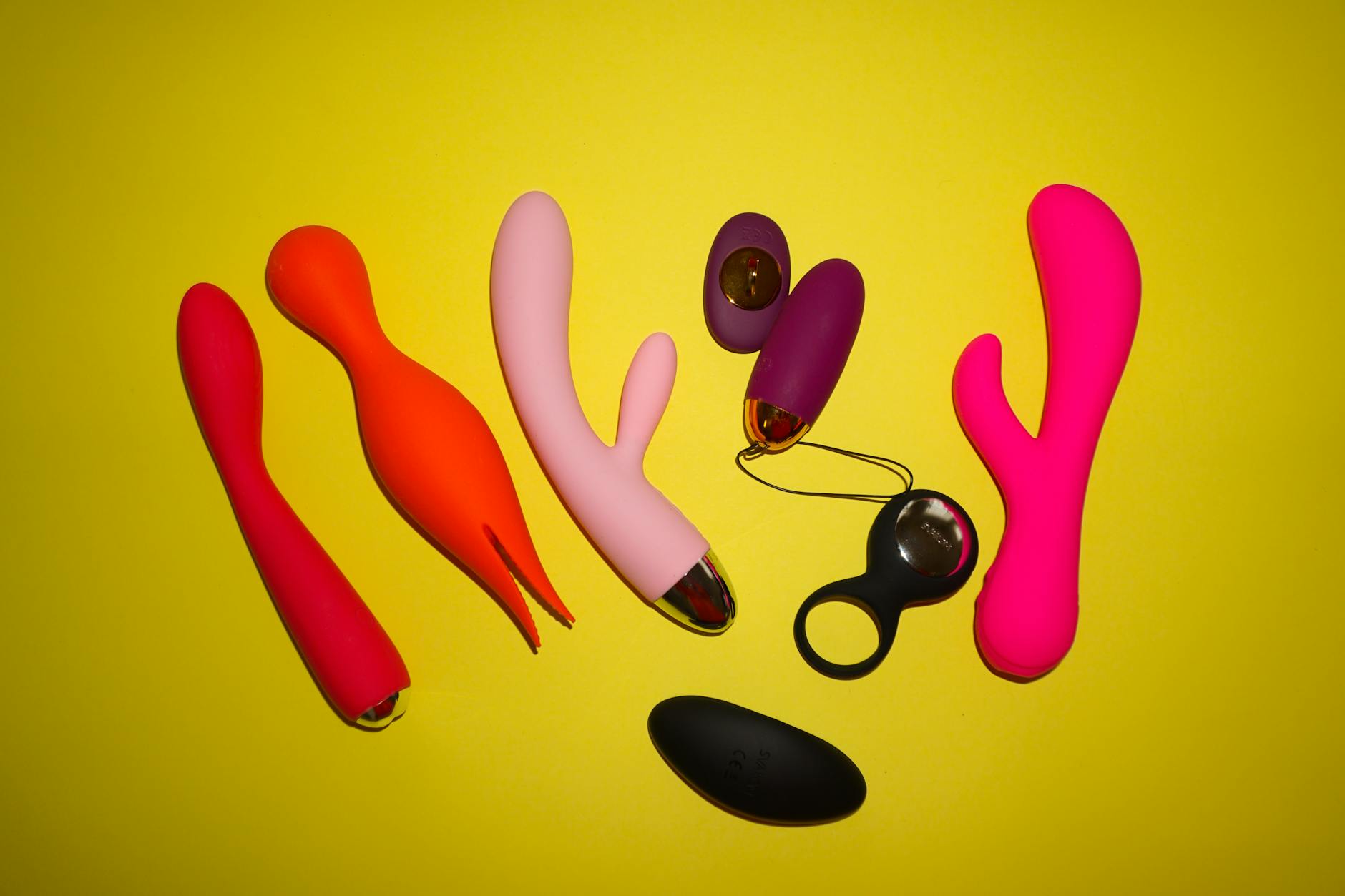
Photo by FounderTips on Pexels
FAQ: Communication, toys, and moving forward
What if my partner thinks I'm criticizing them by bringing a toy into bed?
That fear is real, and it's worth addressing directly but gently. Try framing it as exploration, not correction: "I want to experience something new together." The word "together" matters. You're not saying "You're not doing this right." You're saying "I want us to discover something as a team."
Can a lemon vibrator actually improve our sex life if we're not talking?
Temporarily, yes. A new tool can feel exciting and can create novelty. But lasting improvement usually requires conversation eventually. What a vibrator does is lower the barriers to that conversation by removing some shame and proving that wanting pleasure isn't selfish.
What if my partner doesn't want to touch the toy at all?
That's useful information. It might mean they're uncomfortable with toys, or it might mean they're uncomfortable with vulnerability. Either way, that's the actual conversation you need to have. "I've noticed you seem uncomfortable with this. Can we talk about why?" That's harder, but it's the real work.
Should I use a lemon vibrator solo first, or introduce it together?
Both have merit. Solo use helps you understand how it feels and what you like, so you can guide your partner. But introducing it together can feel more exciting and less like a solo secret. I usually suggest knowing your body first, then sharing the experience.
If we start using a lemon clitoral vibrator together, does that mean we have to use it every time?
Nope. A toy is a tool, not a requirement. After a few times, it becomes optional. You might use it sometimes, skip it other times. The point is that it's available and that both of you know it's there. That availability itself can change the conversation.
How do I know if this is helping our sex life or just masking a bigger problem?
A bigger problem usually feels obvious after three or four weeks. You'll notice: Are we talking more? Are you feeling more connected? Or are things quieter, lonelier? A lemon vibrator isn't a relationship fixer. It's a conversation starter. If the conversation never starts, you might need to talk to a couples therapist about what's actually blocking intimacy.
The middle path
Introducing a lemon vibrator when your partner avoids pleasure talk isn't giving up on communication. It's creating the conditions where communication becomes less scary. It's proof that vulnerability doesn't have to blow everything up. It's an invitation that doesn't require a yes or no answer, just presence.
Sometimes the bravest thing you can do in a relationship isn't saying the hard thing. It's showing the hard thing. Your pleasure, your body, your desire. Right there. Impossible to ignore.
That's where a lot of conversations actually begin.