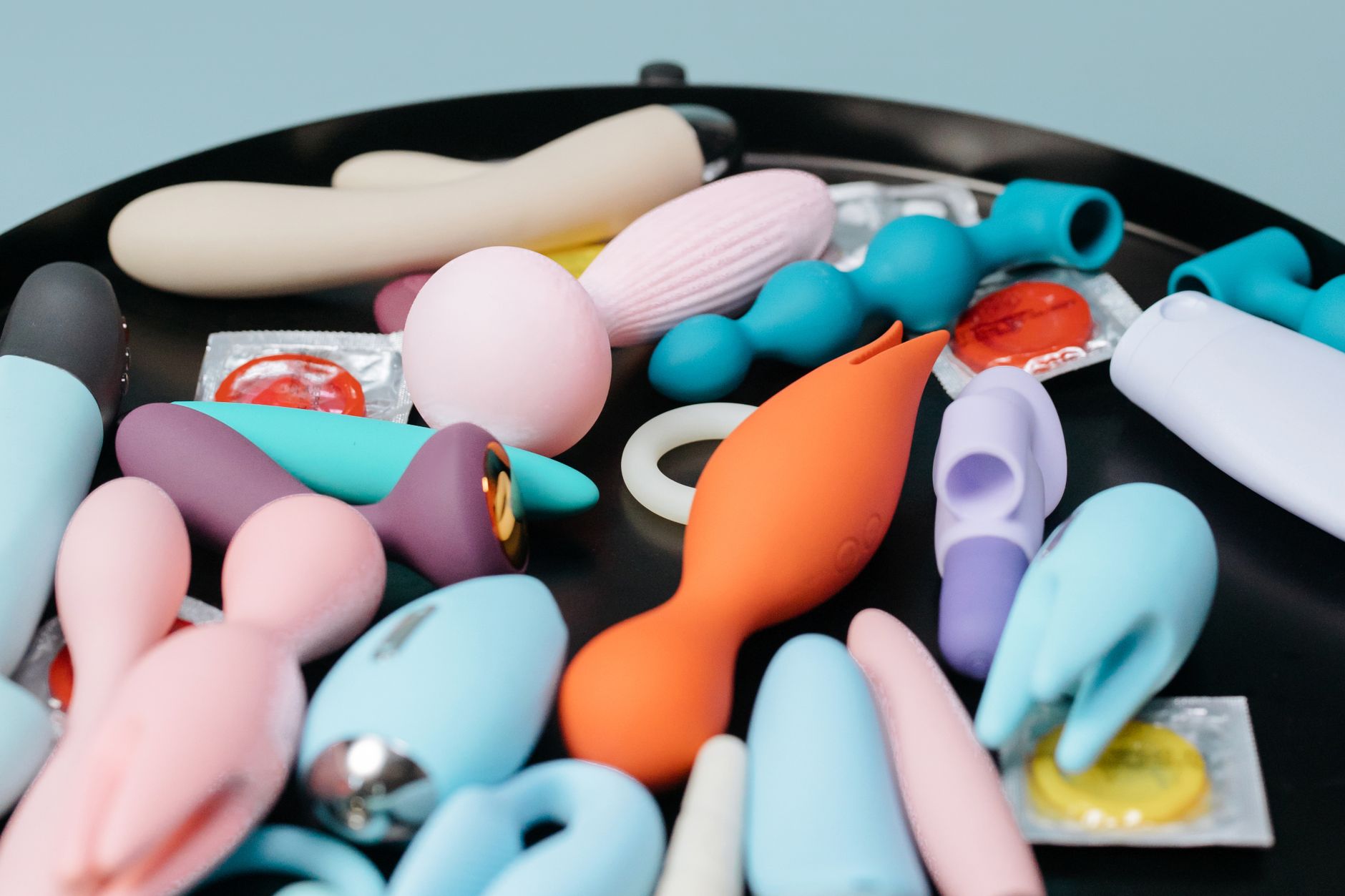
Let's talk about the thing nobody prepares you for
Postpartum sex advice usually lands in two buckets: either doctors tell you to wait six weeks and then hand you a pamphlet, or friends whisper that "it'll never be the same." Both miss the actual question you're asking: how do I feel pleasure again in a body that's been through something seismic?
Here's what I've learned working with couples navigating postpartum intimacy. The timing isn't just about physical healing. It's about consent, readiness, sensation, and slowly reintroducing your body to pleasure on your own terms. Lemon vibrators and air-suction clitoral vibrators can actually be brilliant tools during this transition, but only if you understand the recovery timeline and approach them with intention.
The first eight weeks: healing comes first
Your pelvic floor has been through labour or surgery, or both. Whether you delivered vaginally or via cesarean section, your body needs genuine recovery time. That's not conservative advice. That's biology.
For the first six to eight weeks postpartum, penetrative anything is off the table. But clitoral stimulation without penetration? That's a different conversation. Many people find that gentle, external clitoral pleasure actually supports healing by improving circulation and reducing pelvic tension, as long as you're not using a lemon vibrator or any toy with force.
If you had a vaginal tear or episiotomy, wait for your provider's clearance before any external vibration directly on or near that area. If you had a cesarean delivery, you're healing from abdominal surgery too. The scar tissue is still forming. Vibration near the incision line is off limits. But clitoral pleasure away from the incision? That can start gently around week four to six if you feel ready and your provider agrees.
The keyword is gently. We're talking about the lowest settings on a lemon vibrator, short sessions, and paying attention to what your body actually wants, not what you think you should want.
Weeks eight to twelve: introducing sensation slowly
At your six-week postpartum checkup, your provider will clear you for penetration. That doesn't mean you're emotionally ready. That doesn't mean your pelvic floor is as strong as it was. That means medically, penetrative sex won't tear healing tissue.
Clitoral vibrators like the Lem are often easier to reintroduce than partners or penetrative toys because they don't require the same pelvic floor engagement. Air-suction vibrators specifically create a gentle seal and pulse rather than direct vibration, which can feel less intense and less triggering for postpartum bodies.
Start solo. Seriously. Your first reintroduction to pleasure should be in a quiet moment, with a device you control, when you have zero pressure to perform. Try your lemon vibrator or lemon adult toy on the lowest setting for five to ten minutes. You might feel sensation. You might feel nothing. Both are completely normal.
Postpartum hormone levels are still in flux, especially if you're breastfeeding. Oxytocin and prolactin suppress estrogen. Lower estrogen means less natural lubrication and sometimes muted sensitivity. This is not permanent. It's a phase.
Use a quality water-based lubricant. Even if you don't think you need it. Your tissues are delicate right now, and a little extra slip prevents any micro-tearing you can't see coming.
Weeks twelve to sixteen: finding your rhythm again
By three to four months postpartum, many people report that sensitivity returns and arousal feels more accessible. Your hormones are settling. Your pelvic floor is stronger. You've probably slept a few consecutive hours, which helps everything.
This is when you can experiment a bit more with intensity settings on your lemon clitoral vibrator or other air-suction toys. You can try longer sessions. You can pay attention to what actually feels good versus what you think should feel good.
One thing that surprises people: orgasms sometimes feel different postpartum. Shorter, longer, more muted, more intense. The pelvic floor has changed. It's stronger in some ways and looser in others. Pleasure sensations can map differently across the area. That's not a problem to fix. That's information about your current body. Keep using your lemon vibrator. Stay curious. Sensations usually stabilize around the six-month mark.
Adding a partner back into the picture
If you have a partner, bring them into this conversation before you bring them into the bedroom. The postpartum period is a vulnerable time. Your body has changed. Your identity has shifted. You might have touched-out feelings if you're nursing. You might feel unsexy. You might worry you're broken.
None of that means you want a partner to stop desiring you. It means you need explicit consent conversations about what you do and don't want. Have that conversation before clothes come off.
When you're ready to include a partner, lemon vibrators can actually help bridge the gap because they take pressure off you to orgasm on someone else's timeline. You can use your toy while your partner is present and engaged, which can feel like connection without the demand for penetrative sex or the performance pressure of having to come "naturally."
If you're using a lemon clitoral vibrator with a partner, make sure your partner understands that postpartum bodies need communication. Check in. Go slower than you think you need to. Stop if anything feels wrong. Your body will tell you when it's ready for more.
Common postpartum pleasure concerns
Pain during or after using a lemon vibrator usually means one of three things: you're not ready yet, you need more lubricant, or the intensity is too high. Try dropping the setting, adding more lube, and trying again in a few days. If pain persists, check with your provider. Postpartum pelvic pain is real and treatable, but it needs professional eyes.
Loss of sensation is normal for the first few months. Your nerves are settling. Hormone levels are adjusting. Give it time. In the meantime, slow down. Pay attention. Sometimes reduced sensation is just an invitation to be more deliberate about what you're doing.
Dry orgasms or difficulty orgasming postpartum happens to many people. Your nervous system has been activated by birth trauma, sleep deprivation, and the stress of keeping a new human alive. Pleasure pathways get quiet sometimes. Keep using your lemon vibrator gently and consistently. Talk to your partner about what would actually feel good. Work with a pelvic floor therapist if orgasm doesn't return within six months.
The mental piece nobody mentions
Honestly, the postpartum body doesn't just need physical recovery. It needs permission to be a body that feels pleasure again. After labour, after nursing, after diaper changes and night sweats and the absolute invasion of medical staff checking and prodding, your body might feel like it belongs to everyone but you.
Using a lemon vibrator alone, in your own space, with only your own pleasure as the goal, is a radical act of reclamation. You're saying: this body is mine. It can feel good. I deserve that.
Start there. Everything else follows.
People also ask
When can I use a lemon vibrator after a cesarean delivery?
Wait until your incision has healed, which is usually six to eight weeks postpartum. Even then, keep vibration away from the scar area itself. Once you're cleared by your provider for sexual activity, you can use a lemon clitoral vibrator on the lowest setting if you feel ready. Focus on external clitoral stimulation rather than anything near your abdomen. If the incision feels tender or pulls during use, stop and wait longer.
Is it safe to use air-suction toys like the Lem after a vaginal tear?
Yes, but with timing. If you had a tear or episiotomy, ask your provider at your six-week checkup how your healing is progressing. Once cleared, start with the gentlest setting on a lemon vibrator and avoid direct stimulation of the tear site itself. Air-suction vibrators can feel gentler than traditional vibrators because they don't use direct vibration. Most people find they're easier on sensitive postpartum tissue, but individual bodies vary. Go slow and listen to what feels good.
Will using a lemon vibrator affect breastfeeding or milk supply?
No. Clitoral vibration doesn't interact with milk production or hormone levels in any meaningful way. The orgasms you might experience could actually release oxytocin, which supports milk letdown. If you're worried about anything affecting supply, focus on hydration, rest, and nutrition. That's where the real impact is.
Can I use my lemon vibrator if I'm still bleeding postpartum?
Wait until postpartum bleeding has mostly stopped. Heavy bleeding means your uterus is still actively shedding tissue. While clitoral stimulation won't stop healing, using a vibrator during heavy bleeding can feel uncomfortable and might increase bleeding temporarily. Most people feel ready around week three to four when bleeding has lightened significantly.
What should I do if orgasms feel different or painful after birth?
Different is normal and usually temporary. Painful is not. If orgasms hurt during or after, stop using your lemon vibrator and check with your provider. Postpartum pelvic pain, including orgasm-related pain, is treatable but needs professional assessment. A pelvic floor physical therapist can often identify what's going on and help you rebuild comfort and sensation over weeks or months.
How do I talk to my partner about using lemon vibrators during postpartum recovery?
Start the conversation outside the bedroom. Tell your partner what you need: "I want to reconnect with my own pleasure right now, and I might want to use a toy to help with that." Be clear about what you do and don't want them to do. Some people want a partner present but passive. Some want privacy. Some want their partner to participate. There's no right answer. Just be honest. Partners who care will want to support your recovery, not rush your pleasure.