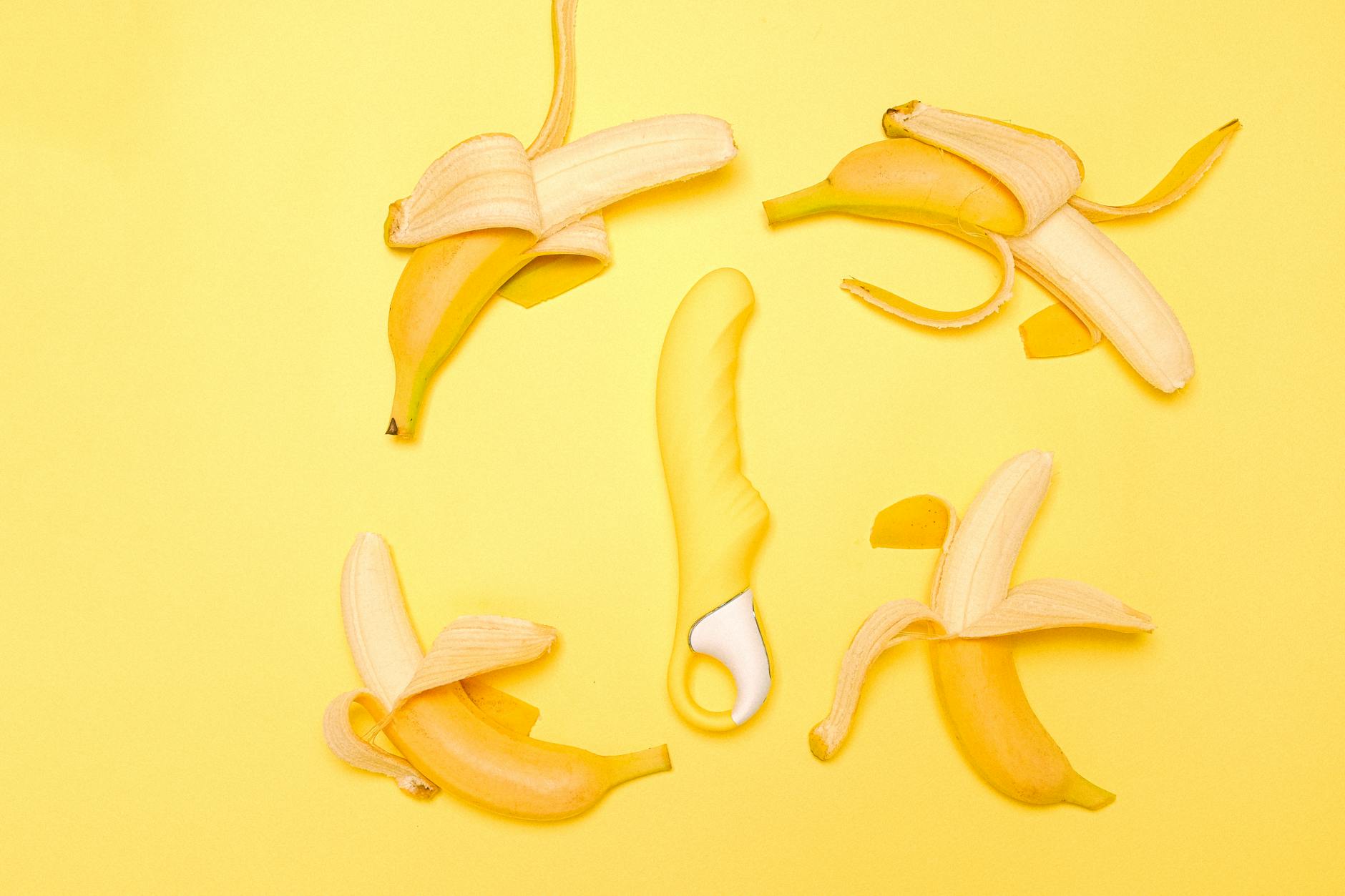
Let's talk about what vaginal dryness actually does to pleasure
Vaginal dryness isn't just a moisture problem. It's a tissue thickness problem. Estrogen keeps vaginal tissue plump, elastic, and well-lubricated. When estrogen drops (whether from menopause, hormonal birth control, breastfeeding, or just aging), that tissue gets thinner, more fragile, and far less forgiving of friction.
Here's the part no one explains: direct friction on thinner tissue can feel sharp or uncomfortable instead of pleasurable. And that's where the mechanics of lemon clitoral vibrators become genuinely useful.
Why suction changes everything for drying tissue
Most vibrators create pleasure through friction. They move back and forth really quickly, stimulating the surface of the skin. When tissue is thick and well-lubricated, that works beautifully. When tissue is thinner or drier, that same friction can feel too intense or even painful.
Lemon vibrators use air-suction technology instead. Rather than moving side to side, they create gentle waves of suction that pull on the tissue. This approach has three major advantages for aging bodies.
First, suction stimulates the thousands of nerve endings in the clitoris without the same direct mechanical pressure. You're not grinding stimulation into thin tissue. You're creating rhythmic pulses that activate those nerves differently.
Second, suction doesn't require lubrication in the same way friction-based toys do. With a friction vibrator on drying tissue, you need enough lube that it doesn't dry out mid-session. Suction toys like the Lem work because they seal around the clitoris and create a pressure differential. Lube helps, absolutely, but it's not the load-bearing mechanism of the pleasure.
Third, you can control intensity from the ground up. A friction vibrator on a low setting is still friction. A suction vibrator on pattern one is almost gentle. You're not just turning down an existing sensation. You're entering a completely different kind of stimulation.
What actually happens physiologically
When estrogen drops, the vaginal epithelium (the lining of the vagina and the tissue covering the clitoris) becomes thinner and more fragile. Blood flow to the area often decreases slightly, which means arousal takes longer and genital tissue doesn't plump up as quickly. The tissues also produce less natural lubrication, and the texture of what is produced changes. It often becomes more watery and less slippery.
At the same time, the clitoris itself doesn't lose sensation. The nerve density stays the same. Your brain's capacity for arousal doesn't diminish. What changes is how easily friction triggers that arousal without causing discomfort.
Lemon clitoral vibrators sidestep this problem entirely. Suction creates a sealed environment around the clitoris that mimics oral stimulation (which is why so many people report them as feeling different from other toy types). That seal allows for consistent, gentle pressure without requiring the glide-based mechanics of friction toys.
The lubrication reality check
Let's be direct: if you're experiencing significant dryness, lubrication matters. But the kind of lubrication you choose matters more when you're using a lemon sucker vibrator.
Water-based lube is your friend here. It's less likely to damage silicone, and it feels more natural on drying tissue. Apply it generously around the clitoris, not just inside the toy. The seal of the Lem or any lemon vibrator works better when there's a thin layer of moisture creating that suction.
Silicone-based lube lasts longer and feels richer, but it can damage silicone toys over time. If dryness is severe enough that you need extended lubrication, your GP might suggest vaginal estrogen creams or suppositories. These are topical, minimally absorbed into the bloodstream, and can genuinely transform the experience within a few weeks.
Why warm-up time becomes non-negotiable
Arousability doesn't disappear with age, but it does often slow down. With lower estrogen, genital tissue takes longer to fill with blood. That means the clitoris takes longer to become slightly swollen and more sensitive.
This isn't a deficit. It's just a different timeline. Where you might have been aroused and ready in five minutes at thirty, you might need fifteen or twenty at sixty. That's normal physiology, and it's completely workable once you stop fighting it.
With a lemon vibrator, this actually becomes an advantage. Start with longer foreplay. Use the toy on lower patterns initially, letting the suction warm up the tissue and increase blood flow. By the time you move to higher patterns, you're working with tissue that's more responsive, more lubricated (both naturally and from added lube), and genuinely ready.
The emotional piece nobody mentions
Vaginal dryness often arrives with a story attached. You might feel broken, or less sexy, or like your body's betraying you at exactly the moment when you finally had the confidence to enjoy sex freely.
Here's what's actually true: your body adapted to a different hormonal environment. That's not failure. That's exactly what bodies do. And the adaptations lemon clitoral vibrators make for aging tissue aren't workarounds. They're often genuinely better feeling than friction-based toys.
Many people report their most satisfying orgasms come after their tissue has thinned. The suction sensation feels more concentrated, more localized, and sometimes more intense. That's not polite reassurance. That's a common clinical observation.
When to bring in professional support
If dryness is causing pain during sex, don't tough it out. Genitourinary syndrome of menopause (GSM) is real, common, and highly treatable. Topical estrogen creams, vaginal moisturizers (used daily, not just during sex), and vaginal dilators can all make a massive difference.
Your GP or a menopause-trained gynecologist can recommend options specific to your situation. Some people benefit from vaginal estrogen. Others do better with vaginal DHEA (a precursor hormone with minimal systemic absorption). Others find that combining daily moisturizers with the right lube and a suction-based toy is all they need.
The point: you don't have to accept pain as part of aging. And choosing a toy designed for thinner tissue (like a lemon vibrator) isn't settling. It's choosing the right tool for your body as it is now.
Photo by Olga Lioncat on Pexels
Starting with a lemon vibrator if you're new to this
If you've never used a lemon clitoral vibrator and dryness has made you hesitant about toys in general, here's what to expect. The Lem starts quiet and creates suction rather than vibration. You'll feel a gentle pulse, not a buzzing sensation. It's surprisingly subtle at pattern one, which is exactly the point.
Start with lube. Wet the sealing area of the toy and the surrounding tissue. Position it so the opening sits centered on your clitoris. The seal does most of the work. You don't need to press hard.
Move through patterns slowly. You're not looking for the highest setting. You're looking for the pattern that feels right for your body on that day. Sensitivity changes. Energy changes. What worked last week might not be what your tissue wants this week, and that's completely normal.
Many people report that after using a lemon vibrator a few times, they understand their own arousal process differently. You learn how long warm-up actually takes. You learn what patterns your clitoris responds to best. You learn that dryness isn't a barrier to pleasure. It's just a variable to plan around.
FAQ: Dryness, aging tissue, and pleasure
Does vaginal dryness mean I won't be able to orgasm?
No. The clitoris doesn't lose sensation when tissue dries. Orgasm is primarily a neurological event, not a lubrication event. You might need a different tool or a different approach, but capacity for orgasm is completely preserved. Many people find that suction-based stimulation (like a lemon clitoral vibrator) feels more intense than friction-based toys once they adjust to the different sensation.
Will using lube regularly make dryness worse?
No. Using water-based lube during sexual activity doesn't worsen vaginal dryness. Regular daily vaginal moisturizers can actually improve baseline moisture over time. If dryness is severe, your GP might suggest topical estrogen creams in addition to lubrication during sex. These approaches work together, not against each other.
Is a lemon vibrator better than a wand vibrator for drying tissue?
They work differently. Wand vibrators use friction and broad surface stimulation, which works beautifully for some people and can feel uncomfortable on thin tissue for others. Lemon suction vibrators distribute pressure differently and don't require the same glide-based mechanics. If friction has become uncomfortable, trying a suction-based approach makes sense. If you love wands, adding more lube and starting with lower intensity often helps.
How long does it take to feel comfortable using a toy after experiencing dryness-related discomfort?
It depends on the underlying cause. If it's simple dryness, a good lube and the right toy can feel different within one or two sessions. If it's genitourinary syndrome of menopause with inflammation, topical estrogen can take two to four weeks to show real improvement. If it's anxiety-related tension from previous discomfort, it might take longer. Working with a therapist or sex educator can help reset the nervous system alongside physical changes.
Can I use a lemon vibrator if I also take hormonal birth control that causes dryness?
Absolutely. Hormonal birth control, certain antidepressants, and some autoimmune medications can all cause vaginal dryness. The mechanics don't change. A suction vibrator, consistent lubrication, and longer arousal time all apply. If the dryness is severe, talk to your prescribing doctor about whether adjusting the dose or method might help, but don't stop medication on your own. You have options for managing pleasure while on medications that affect lubrication.
Should I use a lemon clitoral vibrator if I have vaginal atrophy or genitourinary syndrome of menopause?
Possibly, but check with your doctor first if there's active inflammation or significant discomfort. Once inflammation is managed (usually with topical estrogen), suction vibrators tend to work really well for atrophic tissue because they don't rely on friction. Some people use vaginal dilators alongside toys to maintain tissue elasticity and blood flow. Your gynecologist can help you sequence these approaches.
What happens next
Vaginal dryness is one of those things that looks like a barrier until you find the right approach for your body. For many people, that approach is understanding that suction-based stimulation works differently than friction-based toys, combining it with consistent lubrication, and giving yourself permission to take the time arousal actually needs.
You don't have to resign yourself to less pleasure because your tissue has changed. You just need to choose tools and strategies that match your body as it is right now. That's not compromise. That's exactly how pleasure actually works.
If you want to explore how lemon vibrators might fit into your specific situation, or if you're struggling with pain or discomfort, reach out. That's what we're here for.