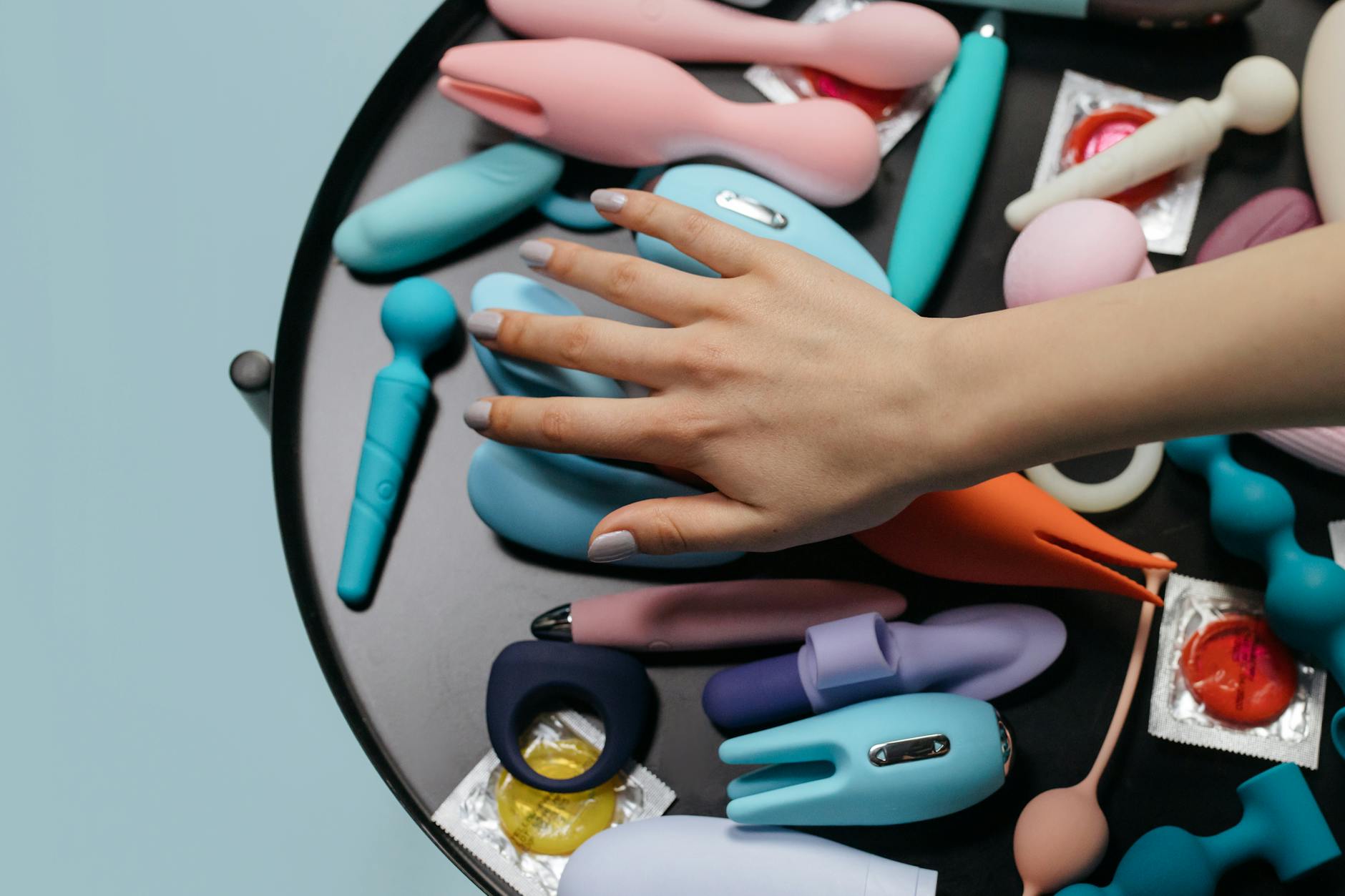
Here's the thing about clitoral numbness
You're not broken. Your clitoris hasn't given up. What's happening is your nervous system has adapted to stimulation in a way that makes it harder to feel pleasure, and the standard vibration most people reach for first doesn't crack the code.
Decreased clitoral sensitivity is wildly common and wildly fixable. But it requires understanding why numb sensation happens in the first place, and then using a tool that works with your nervous system instead of against it.
Why decreased clitoral sensitivity happens
There are three main pathways to clitoral numbness. Usually it's a mix.
Desensitization from repetition. If you've been using the same stimulation pattern for years, your nerve endings habituate. Think of it like listening to the same song on repeat. Your brain stops noticing it. The clitoris works the same way. Constant, identical vibration trains your nervous system to filter out that signal as background noise.
Compression and reduced blood flow. Tight clothing, certain positions, or prolonged pressure restricts circulation to the clitoral tissue. Without good blood flow, the nerves don't fire as reliably. This is why some people regain sensation just by changing how they sit or what they wear.
Neurological adaptation after chronic stress or depression. This is the harder one. When you've been in a prolonged state of low mood or high stress, your whole sensory system downregulates. It's a protective mechanism. Your brain literally dampens incoming signals because processing pleasure feels too jarring against the baseline of numbness. Over time, this becomes your new normal.
Why traditional vibration doesn't work for decreased sensitivity
Most vibrators use rapid oscillation. That's a side-to-side or up-and-down buzz. It works brilliantly for people with average sensitivity. But when your nerves have habituated or downregulated, you need a different signal entirely.
Here's what happens: you turn on a standard vibrator, expect the same buzz pattern you've felt a thousand times, and your nervous system goes "yep, background noise again." Nothing changes. You might crank it higher, but faster vibration doesn't overcome habituation. It just adds volume to a signal your brain has already learned to ignore.
Clitoral suction works completely differently. Instead of vibration, it uses gentle rhythmic pressure and release. That creates a pulsing sensation that feels novel to your nervous system, even if you've used toys for years. Your brain can't filter it out as easily because it's not the stimulus it's adapted to block.
How lemon vibrators and clitoral suction rewake sensation
A lemon clitoral vibrator uses air-suction technology. The mechanism gently draws the clitoral tissue into a small cup, then releases it in a rhythm. That's different from vibration in two critical ways.
First, suction stimulates a broader area of nerve endings simultaneously. Vibration is usually more pinpoint. Your clitoris has thousands of nerve endings distributed across its surface, and suction activates more of them at once, creating a more complex sensory signal. That complexity is what breaks through habituation.
Second, the pulsing rhythm of suction mimics the natural pressure patterns your body recognizes from arousal and orgasm. It feels less like a toy and more like a partner's touch or your own hand. Because it's closer to a naturally occurring sensation, your nervous system doesn't filter it as aggressively.
For people recovering from chronic stress or depression, this is especially powerful. The suction sensation is strong enough to cut through the sensory dampening, but gentle enough that it doesn't feel jarring. You're not trying to scream over the numbness. You're using a signal your nervous system recognizes and responds to.
The retraining phase: why it takes time
When you start using a lemon suction vibrator after years of decreased sensitivity, you're not flipping a switch. You're slowly retraining your nervous system to feel again.
This usually takes two to four weeks of consistent, gentle exploration. Start at the lowest suction setting. Spend 15 to 20 minutes exploring without the goal of orgasm. Let your nervous system get curious again. You might feel tingling, warmth, or a pressure sensation before pleasure returns. All of that is good. It means rewiring is happening.
Many people report that sensation comes back in layers. First you notice physical pressure. Then warmth. Then tingling. Then, weeks in, actual pleasure. It's not a dramatic flip. It's a slow awakening.
What makes a lemon vibrator different from other suction toys
Not all clitoral suction vibrators are designed the same. A good one, like the Lem, has variable suction levels and pulsing patterns. You need that range because your sensitivity is changing as you rewake.
Start on pattern one or two. As sensation returns, you can increase the intensity. But you control the pace. You're not trying to push through numbness with brute force. You're meeting your body where it is and letting it respond.
The material also matters. Silicone is gentler on sensitive tissue than plastic. A well-designed suction toy has a comfortable cup size that creates a seal without pinching.
Pairing suction with lubrication and patience
Even though suction doesn't require the same friction as vibration, using a water-based lubricant helps. It keeps the cup sealed properly and reduces any friction at the tissue interface. More importantly, lube is a signal to yourself that this is intentional, caring self-touch. That psychological shift is underrated.
Patience is non-negotiable. If you've been numb for two years, you won't feel fireworks on day three. But if you use a lemon vibrator consistently and gently for two weeks, you will notice a difference. A tingling that wasn't there. A warmth. An involuntary reflex. These small signs mean sensation is coming back.
When decreased sensitivity signals something else
If numbness is paired with pain, or if you've had sudden onset of complete anesthesia, see a doctor. Those can signal nerve damage or hormonal issues that need clinical attention.
But if your clitoral sensitivity has gradually declined, or if it dropped after a period of depression or stress, a lemon vibrator is often the most effective solution. It's not a magic fix, but it's a bridge. It gives your nervous system permission to feel again.
FAQ
Does clitoral suction feel different from vibration?
Completely. Suction feels like a gentle pulse and release, like a partner's mouth or your own hand creating rhythm. Vibration is a rapid buzz. If standard vibration hasn't been working for you, suction often does because your nervous system perceives it as a novel stimulus.
How long does it take to regain clitoral sensitivity?
Most people notice changes within two to three weeks of consistent, gentle use. Full sensation recovery can take four to eight weeks depending on how long you've been numb. The key is consistency and starting slow, not intensity.
Can I use a lemon vibrator if I'm currently depressed?
Yes. In fact, many people find that gentle suction stimulation helps lift sensory numbness that comes with depression. It's one of the few pleasures that feels achievable when mood is low. Just don't expect it to cure depression itself. If you're struggling, talk to a therapist too.
Is it normal for sensation to come back in layers?
Completely normal. Pressure returns first, then warmth, then tingling, then pleasure. Each layer is a sign that your nervous system is rewaking. Celebrate each stage.
What if I've never felt much sensation from any toy?
Then clitoral suction is worth trying before assuming you're broken. You might simply have higher sensitivity thresholds, or you might have been using stimulation that doesn't match your nervous system. A lemon clitoral vibrator's variable settings and suction mechanism often work where other tools don't.
Can I use a lemon vibrator alongside therapy or medication?
Absolutely. If you're taking antidepressants that dampen sensation, suction vibration can still help. If you're working with a therapist on trauma or disconnection from your body, gentle clitoral exploration is part of rebuilding that connection. They work together.
The reset button exists
Decreased clitoral sensitivity feels permanent until you find the right tool. A lemon vibrator, especially one with suction and adjustable patterns, often is that tool. Your clitoris hasn't forgotten how to feel. Your nervous system just needs a different signal to remember. Start gentle, stay patient, and give your body permission to wake up on its own timeline. Sensation comes back.