
Let's name what's actually happening
Disconnection is real. It's not laziness, not depression creeping in, not a sign you don't love your partner. It's your nervous system protecting you by stepping back from sensation itself. When trauma, chronic stress, or prolonged emotional strain lands, your brain sometimes decides that feeling less is safer than feeling everything.
That feeling of watching yourself from outside your body. Numbness where arousal used to live. The sensation that you're present but unreachable. Those are all dissociation talking, and they're impossible to will away with better communication or more foreplay.
But here's what's possible: you can teach your nervous system that sensation is safe again. And lemon vibrators, specifically, have a particular way of making that reconnection happen.
Why normal stimulation doesn't work when you're checked out
When dissociation takes hold, subtle touch feels like nothing. A partner's hands, the usual foreplay rhythms, even vibration that used to work. Your nervous system is literally filtering out sensation because it learned that feeling less keeps you safe.
This creates a loop: the less you feel, the more anxiety about not feeling. The more anxiety, the more your body retreats. You start to wonder if pleasure is even possible anymore, and the wondering itself becomes another barrier.
Most traditional vibrators sit somewhere in the middle of the stimulation spectrum. They're not gentle enough to feel restorative, not intense enough to cut through the fog. You're left chasing sensation that stays just out of reach.
How the lemon clitoral vibrator breaks the pattern
Lemon vibrators work differently. The suction-based technology creates a broad, pulsing sensation that feels more like pressure than vibration. This matters because your body recognizes pressure and suction as fundamentally different information than traditional buzzing.
When dissociation is present, your nervous system is skeptical of new input. But suction is primal. It's closer to what your body naturally knows. The sensation is impossible to ignore without being aggressive about it. Your nervous system can't dismiss it as background noise.
I've worked with clients who said their lem vibrator was the first thing in months that actually registered. Not because it was stronger, but because it was different enough to cut through the static.
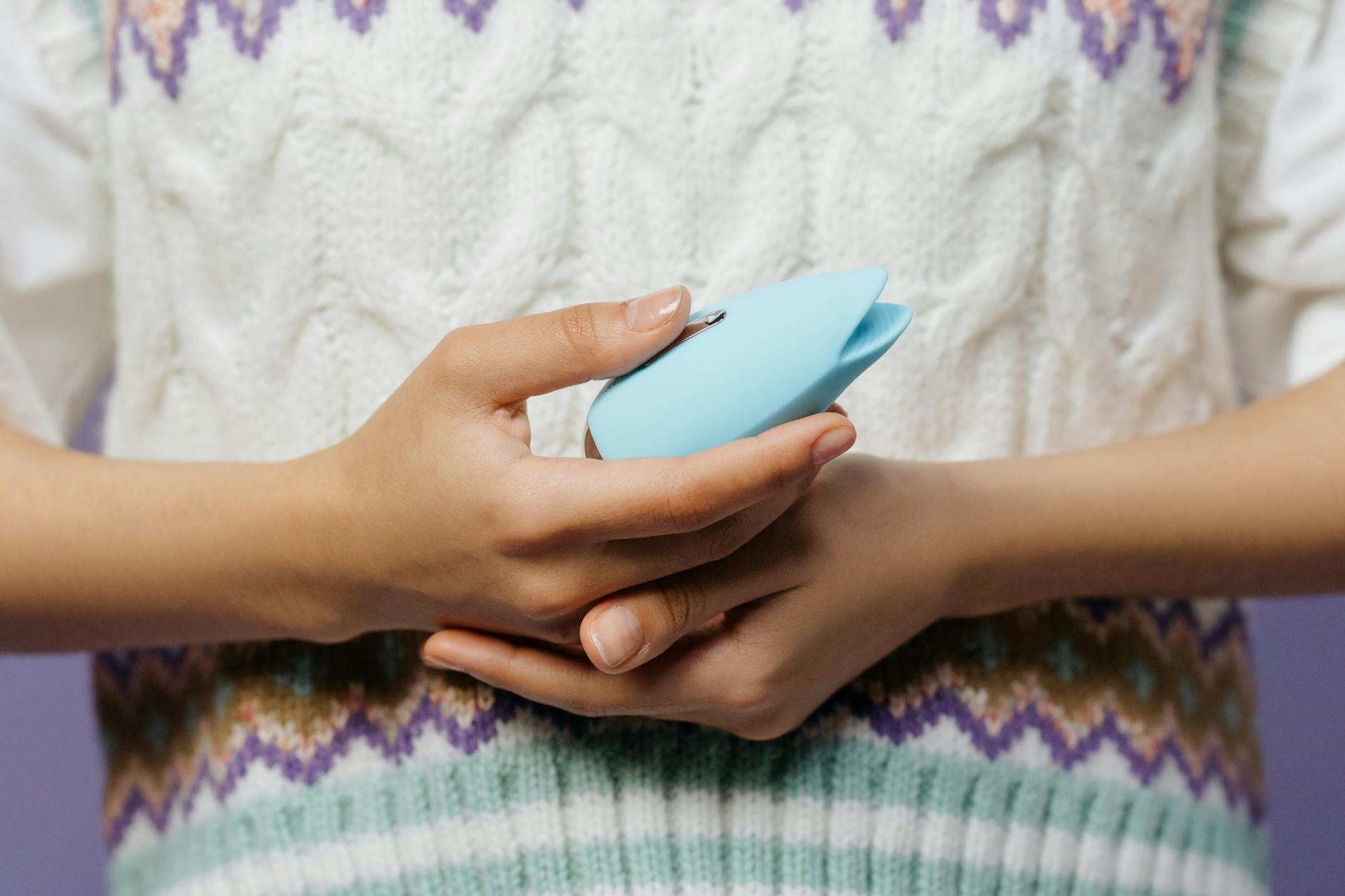
Photo by cottonbro studio on Pexels
The actual pathway back to feeling
Reconnection doesn't happen in one session. It happens through repetition and safety. When you use a lemon vibrator consistently, your nervous system gets feedback: sensation is present, and it's manageable. Nothing bad happens. You remain in control.
Start with the lowest setting. Spend ten minutes just noticing sensation without the goal of orgasm. This is radical permission to stop performing, stop achieving, stop trying to feel something other than what's actually there.
Many people report that pleasure starts returning in layers. First, just the ability to notice the sensation itself. Then, awareness that it feels good. Then, gradually, the return of genuine arousal. It's not instant, but it's measurable.
The key is consistency. Three to four times a week for two weeks. Your body learns that it's safe to feel again.
Creating the conditions for reconnection
The vibrator itself is only part of the work. Your nervous system reconnects in an environment where it feels genuinely safe.
Make time alone. Pressure from a partner, even unspoken, can reinforce dissociation. Solo exploration removes that dynamic entirely. You're not trying to prove anything to anyone.
Choose a time when your stress load is lower. If you're in crisis mode at work or managing a difficult relationship, your nervous system won't relax enough for this to work. Pick a day when you have space.
Create ritual, not performance. Light a candle. Put your phone somewhere else. Make it clear to yourself that this time is nonnegotiable pleasure time. Your nervous system responds to structure.
Use lube. Even if you think you don't need it, use it anyway. The additional sensation helps your body believe that something is actually happening.
The relationship piece, if there is one
If you're in a partnership, your partner needs to understand that reconnection is not about them. This isn't foreplay leading to sex with them. This is you and your body rebuilding a relationship that dissociation damaged.
The best partners I've worked with understood this distinction immediately. They got that helping you reconnect to your own pleasure was actually the thing that would eventually make partnered pleasure possible again.
If you want to eventually include a partner, that's a conversation for later. For now, the work is solitary. And that's not a limitation. It's actually the fastest path back.
When disconnection is trauma related
If dissociation is linked to sexual trauma, abuse, or assault, the lemon vibrator is useful but not sufficient. You need a trauma-informed therapist alongside whatever you're doing with pleasure. The vibrator can help teach your body that sensation is possible. Therapy helps address why your nervous system decided sensation wasn't safe.
Those two things together move the needle. One without the other leaves half the work undone.
The gradual return of desire
What most people don't expect is that reconnecting to sensation comes before the return of desire. You feel first. You want second. The pleasure coaches who promise "use this vibrator and your desire comes roaring back" are selling fantasy.
But what's real and reliable: with consistent use of a lemon clitoral vibrator, most people report measurable shifts in sensation within three weeks. By six weeks, desire starts to follow. It's slower than you might want, but it's actual.
Your nervous system is learning to trust sensation again. That takes time and repetition. But it works.
When to seek additional support
If after six weeks of consistent use you're still not noticing any shift in sensation, that's the moment to reach out to a therapist. Dissociation can be rooted in things beyond what a vibrator can address. A professional can help you understand what your nervous system is protecting you from.
Disconnection from your body is not a personal failing. It's evidence that your system once knew how to protect itself. The work now is teaching it that it's safe to feel again. A lemon vibrator is one powerful tool in that conversation. But you're the one doing the actual work.
Your pleasure matters. And it's worth the patience it takes to get it back.
FAQ
How long does it take to feel reconnected using a lemon vibrator?
Most people report noticeable shifts in sensation within three to four weeks of consistent use, typically two to three times per week. Full reconnection takes longer. Some folks feel genuinely aroused again within two months. Others need three to six. It depends on how long dissociation has been present and what caused it. The timeline is individual, but movement is usually visible by week four.
Can I use a lemon vibrator if I have no sensation at all right now?
Yes. In fact, the intensity and broad nature of lemon clitoral vibrator stimulation makes it one of the best options when you're starting from numbness. The sensation is hard to ignore, which is exactly what you need when dissociation is filtering everything out. Start on the lowest setting and let your body adjust.
Should I tell my partner I'm using a lemon vibrator to reconnect?
That depends on your relationship and how much you share. If you're in a trusting partnership, sharing that you're working on reconnecting to your body can actually strengthen things. It removes the shame and invites them into your process, even if they're not directly involved. If you're uncertain, you don't have to tell them. This work is for you first.
What if I feel more numb after using a lemon vibrator?
That's actually normal in the first one to two weeks. Your nervous system might intensify dissociation as a response to new sensation. Keep going. By week three, most people report the opposite effect. If numbness persists beyond three weeks, check in with a therapist to rule out other factors at play.
Is dissociation during sex something I can fix with a lemon vibrator alone?
A lemon clitoral vibrator is incredibly useful, but if dissociation is rooted in trauma or chronic stress, the vibrator addresses the sensation piece, not the underlying cause. Pair it with therapy for the best results. The vibrator teaches your body sensation is safe. A therapist helps address why your nervous system decided it wasn't.
Can my partner use a lemon vibrator on me while I'm reconnecting?
Possibly, but usually not yet. The reconnection work is most effective when you're in complete control of the sensation and the pace. Your nervous system needs to learn that you can initiate, pause, and stop at will. Once you've done the solo work for four to six weeks, introducing a partner can be a natural next step. But start alone.
Moving forward
Disconnection from your body is not a permanent state. It's a protective response that made sense when it started. Your nervous system learned to step back from sensation because feeling less seemed safer.
The path back is gentle, consistent, and entirely within your control. A lemon vibrator can be the first real sensation your body trusts again. And from there, pleasure becomes possible.
If you want to talk through your specific situation, reach out. That's what I'm here for.
Contact us to discuss your situation with our team, or explore how lemon vibrators and other tools can support your reconnection journey.