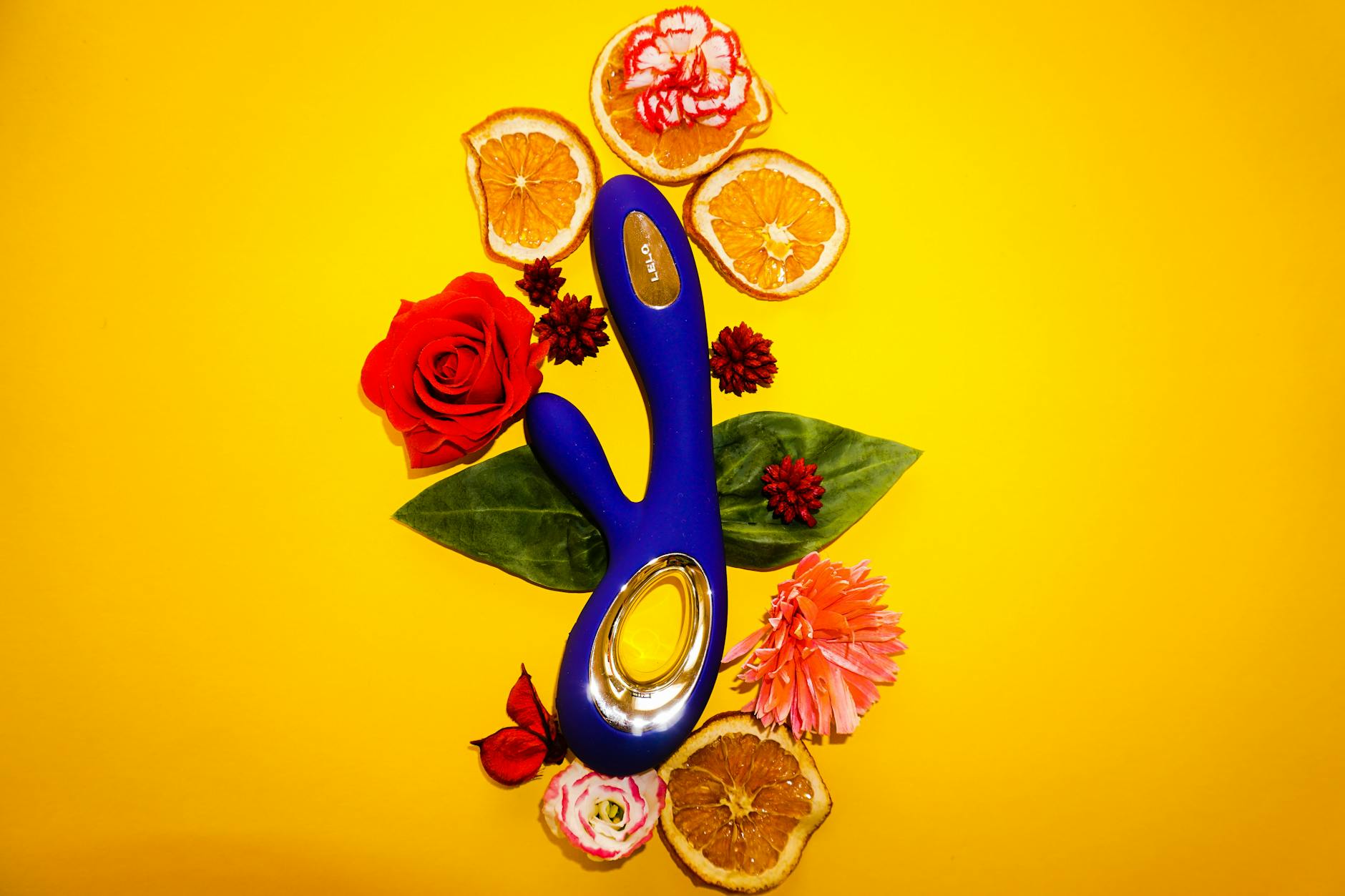
When a toy feels like a threat
Here's the thing nobody says out loud: when a partner gets upset about you using a vibrator, they're usually not actually worried about the vibrator. They're worried about what it means.
They're thinking one of three things. That you're not satisfied with them. That you're replacing them. That you want something they can't give you. And honestly? Those are real fears. The vibrator is just the visible part of something bigger that's been simmering underneath.
But here's what I tell couples in my office: a lemon clitoral vibrator isn't cheating. It's not a substitute partner. It's a tool. And the fact that one of you wants to use it is information, not indictment.
Why the "cheating" label sticks
A lot of the resistance comes from movies and culture telling us that real pleasure should only happen with a partner. That if you need anything else, something is broken. That orgasms achieved alone or with a toy somehow "don't count" as real.
It's garbage logic, but it's deeply embedded. I've worked with couples where one partner grew up in an environment where masturbation was shameful, toys were scandalous, and pleasure was only valid in a very specific context. That person didn't suddenly have a rational conversation about toys at 35. They brought a whole childhood of messaging into the bedroom.
Adding a partner into the mix doesn't erase that. It amplifies it. Because now their discomfort has an audience, and their fear of judgment feels justified.
What's usually actually happening
When I ask a partner why toys feel like betrayal, the real answer usually falls into one of these categories:
Fear of inadequacy. "If you need a vibrator, I'm not enough." This one comes from conflating pleasure with ego. Their sense of self-worth got tangled up with whether their partner orgasms, and now they feel personally rejected by a device.
Jealousy of the attention. Sometimes it's not about the toy itself. It's that their partner is spending time and focus on something that isn't them. In relationships where emotional intimacy has been rocky, this can feel like another form of abandonment.
Unspoken dissatisfaction. Often the partner resisting toys is actually frustrated about something else entirely. The sex life feels routine. The emotional connection has drifted. And instead of saying that, it gets aimed at the vibrator as the problem.
Learned shame. If sex education in their family was nonexistent or punitive, toys might feel transgressive in a way that triggers their nervous system. Not a logical response. A conditioned one.
The conversation you actually need to have
Don't lead with the toy. Lead with the fear.
Try something like: "I've noticed you get uncomfortable when I want to use toys. I'm wondering what that brings up for you?" Then shut up and listen. Really listen. Not to convince them they're wrong. To understand what's underneath.
If they say you're replacing them, don't defend the toy. Say: "I'm not looking for a replacement. I'm looking for more sensation. That doesn't mean less of you. It means more of me feeling good." Those are different conversations.
If they're worried about adequacy, this is the moment to be specific about what they DO provide that a toy cannot. Presence. Touch. Eye contact. Emotional connection. A lemon vibrator feels nothing. It has no stake in your pleasure. Your partner does. That matters.
If the resistance is actually about other relationship friction, name it gently: "I think this might be less about the toy and more about us not connecting the way we used to. Is that true?" Sometimes the toy is just the visible problem when the actual problem is exhaustion, resentment, or distance.
How to move from resistance to curiosity
Once you understand what's underneath the fear, you have three actual options.
Option one: Go slower. Your partner doesn't have to jump straight to watching you use a clitoral vibrator. Start with smaller conversations. "What would feel less threatening?" Maybe they want to be in the room but not watch. Maybe they want to use it on you. Maybe they want to wait until you've both addressed some of the other stuff first.
Option two: Reframe pleasure as connection. Here's what I suggest to couples: try using the toy together. Not as a replacement for partnered sex, but as another language for it. They can use it on you. You can show them what feels good. It becomes a way of learning your body together instead of a solo activity that excludes them.
Option three: Get professional help. If this resistance is part of a bigger pattern of control, if your partner is trying to dictate what you can and cannot do with your own body, that's not about toys. That's about respect. A couples therapist can help you figure out whether this is a communication issue or a relationship issue.
The difference between restriction and negotiation
Here's something crucial: there is a difference between "I feel insecure about this and here's what would help me feel safer" and "I don't want you to do this."
One is vulnerable and requires collaboration. The other is a boundary being set about your body.
You get to use toys. You get to have pleasure that doesn't require your partner's approval. That's non-negotiable. What IS negotiable is how, when, and whether they're part of it. You can say "I'm going to use a lemon vibrator on my own sometimes, and I'm open to talking about how that feels for you." That's different from asking permission.
If your partner is genuinely trying to work through their own discomfort while respecting your autonomy, that's worth meeting halfway. If they're trying to control your body because they're insecure, that's something different entirely.
What happens after the conversation
Some partners come around quickly. Some take months. Some never fully adjust but learn to tolerate it because they love you. Some dig in harder, and then you have to make a choice about what you're willing to accept in a relationship.
What I've seen actually shift things is consistency plus reassurance. You use your lemon vibrator. You continue being affectionate with your partner. You continue wanting them. You don't disappear into solo pleasure and ignore the relationship. You show through action that toys and partnership aren't opposites.
You also might need to address the actual relationship. Maybe the sex HAS become routine. Maybe you're not connecting the way you used to. Maybe they're right that something needs to change, just not in the way they think. Sometimes the toy is just where the bigger conversation finally starts.
When a partner thinks toys are cheating, they're usually grieving something that's already missing. The vibrator didn't cause it. It just made it visible.
FAQ: Toys, Trust, and Moving Forward
Why do some partners see toys as infidelity?
Most partners who perceive toys as cheating are dealing with one of several underlying fears: inadequacy ("I'm not enough"), displacement ("You want this more than you want me"), or learned shame ("Sex toys are wrong and using them means you're being unfaithful"). Rarely is the actual toy the problem. It's what they fear it represents about the relationship or about themselves.
Is it reasonable for a partner to forbid you from using toys?
It's reasonable for a partner to express discomfort. It's not reasonable for them to control what you do with your own body. There's a difference between negotiating how and when you use toys ("Can we talk about this together?") and forbidding their use entirely ("You can't do this"). The first is a conversation. The second is a control dynamic worth examining with a therapist.
How do I talk about wanting lemon vibrators without making my partner defensive?
Lead with curiosity about their experience first. "I've noticed this topic is sensitive for you. I want to understand why before I talk about what I want." Once you understand their fear, you're not defending the toy. You're addressing the fear. "I understand you worry this means I'm not satisfied with you. That's not it. Here's what I'm actually looking for..." Specificity matters more than reassurance.
Can couples use a lemon vibrator together?
Absolutely. Some couples find that using a clitoral vibrator together actually deepens intimacy because it removes the solo shame and makes pleasure collaborative. Your partner can use it on you. You can guide them toward what feels best. It becomes a form of exploring each other's bodies rather than something that excludes them.
What if my partner refuses to accept that I want to use toys?
Then you have a bigger decision to make. Is this about working through temporary discomfort, or is it about control? If they're genuinely trying to overcome their own fears while respecting your autonomy, there's room to grow together. If they're trying to control your body, that's a relationship issue beyond the scope of the toy itself. A couples therapist can help you figure out which one this is.
How long does it usually take for a partner to accept toys?
Every relationship is different. Some partners become curious within weeks. Some take months to feel secure. Some never fully accept it but learn to coexist with it. What matters is whether they're actively working through their own stuff or actively trying to control yours. The timeline is less important than the direction.
Moving forward
Your pleasure matters. Your partner's feelings matter too. Those two things aren't in competition. When a partner thinks toys are cheating, it's an opportunity to get honest about what's really happening in the relationship. Sometimes that honesty brings you closer. Sometimes it clarifies that something bigger needs to change.
Either way, you get information. And information is how you move forward.