Here's the disconnect nobody talks about
You're with someone you love. The physical part is technically happening. But somewhere between their touch and your body's response, the wires got crossed. They want closeness. You want... something. You're not entirely sure what. Maybe it's not the right time. Maybe it's not the right touch. Maybe you're exhausted, or bored, or your body has just stopped cooperating with what used to work.
This is not a problem with your relationship. This is not a problem with you.
Why desire and physical touch stop matching
Intimacy and desire are not the same thing, and pretending they are is where most couples get stuck. Your partner might want to connect. You might want connection too. But connection can mean a thousand different things depending on the day, your stress level, your cycle, your nervous system, what happened at work, whether you've slept, or honestly, just the weather.
Here's the thing: most people approach this by trying to force alignment. "Let's schedule sex." "Let's be more romantic." "Let's talk more." Those are not wrong, but they miss the real problem. The real problem is that you need to know what your actual desire feels like separated from obligation.
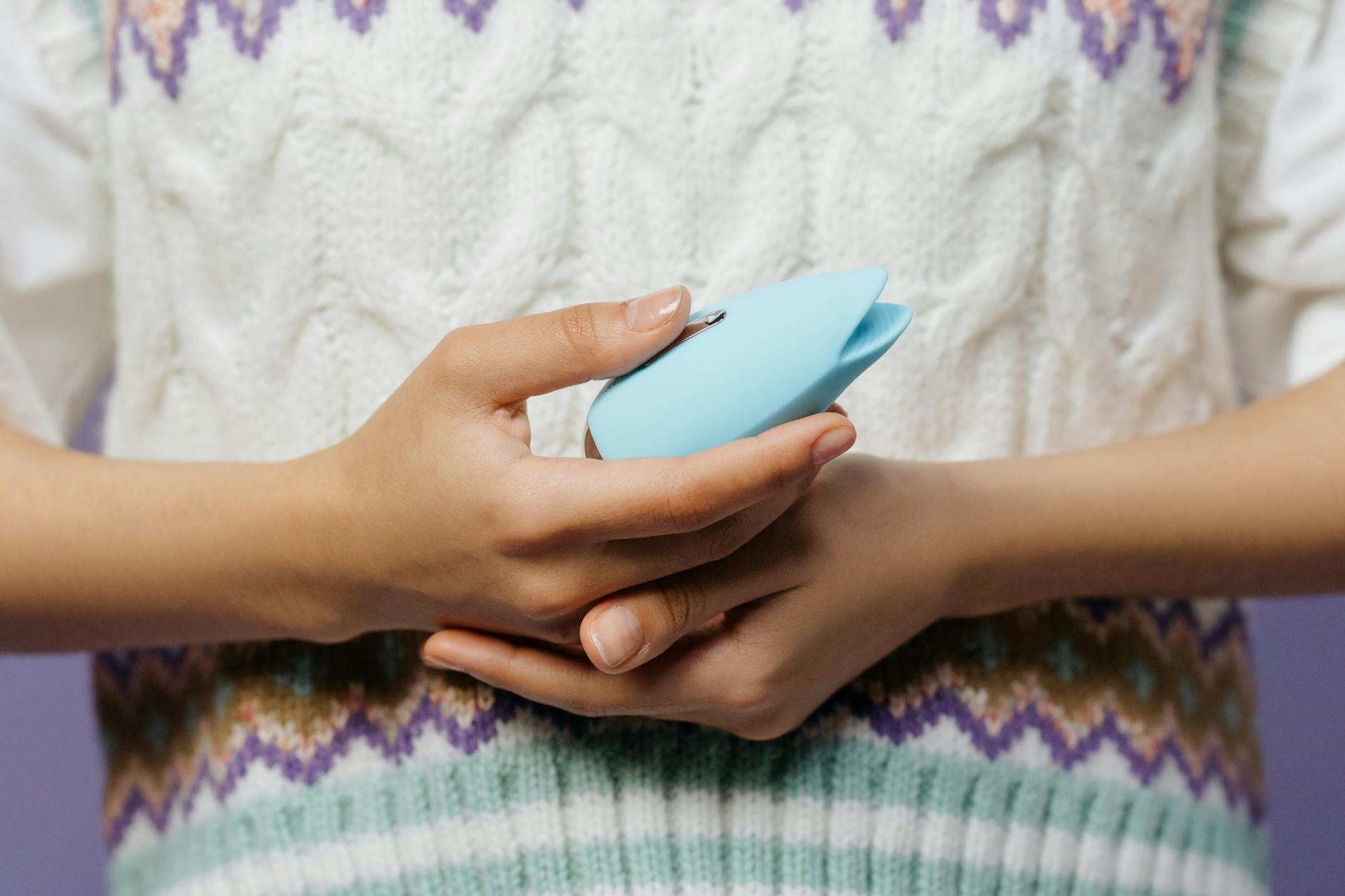
Lemon clitoral vibrators are useful here, not because they fix anything, but because they give you concrete, solo data.
What happens when you explore alone first
When you use a lemon sucker or a lem vibrator by yourself, you're learning your own language. You're finding out what your body actually wants without the variable of someone else's timing, rhythm, or expectations.
Most of my clients come into this phase skeptical. "But I want to want sex with my partner," they say. And the answer is always the same: you probably do. But right now, you need to remember what wanting feels like at all.
A clitoral vibrator does this faster than almost anything else because it gives your nervous system a clear, repeatable signal. The suction technology in lemon vibrators means you're not relying on friction or speed to build sensation. You get steady, focused stimulation that lets you notice subtle differences. Pattern one feels different than pattern two. Stronger pressure is different than lighter. Your body starts talking again.
That usually takes two to four weeks of solo exploration before you even think about bringing it back to your partner.
The conversation that actually matters
Once you know what your body responds to, the conversation with your partner changes completely. Instead of "I'm not interested in sex," it becomes "I need this specific thing first." That is infinitely more workable.
But here's where most people mess up. They either hide the whole process ("I bought something for solo use") or they make it weird by trying to involve their partner immediately. Both of those backfire.
The best approach is transparency without expectation. "I've been exploring what actually works for my body right now because I realized I didn't know. I want to share that with you when I'm ready, and I also want to keep some of that for myself. Both things are true." That sentence does more work than an hour of couples therapy.
How to use a lemon vibrator when you're rebuilding alignment
Start with a lemon clitoral vibrator like the lem, which is designed for precise, consistent stimulation. Here's the practical sequence:
Week one and two. Solo only. No partner present. Find out what patterns work, what intensity level feels right, how long you typically need. This is data gathering, not performance.
Week three. Start noticing when you feel the most responsive. Is it morning? Evening? After exercise? After a specific kind of day? This matters because it tells you and your partner what conditions actually support your desire.
Week four. The conversation. Tell your partner what you learned. Make it specific. "I noticed my body responds really well in the evening after I've had time to myself." "I need about 15 minutes of warm-up before clitoral stimulation feels good." "I actually prefer the sensation from the lem vibrator over direct touch right now because it feels less pressured."
Week five forward. Integration. This can mean solo use before partner touch. It can mean using the lemon sucker together. It can mean your partner learns your preferred patterns and mimics them. The key is that you've moved from "something's wrong" to "here's what actually works."
When your partner is nervous about toys
Many people worry that bringing in a vibrator means they've failed somehow. That's not how this works. A clitoral vibrator is not a judgment on your partner. It's a tool for your nervous system, the same way a heating pad is for muscle tension.
But if your partner is genuinely uncomfortable, here's what usually helps. First, use it solo for several weeks so you're not introducing the vibrator and the conversation at the same time. By the time they see it, you already know why it matters. Second, frame it around pleasure, not around what's missing from them. "I found something that helps my body feel things I'd forgotten about" lands differently than "you're not enough."
Most partners come around once they see the difference it makes in your overall desire and responsiveness. But some don't. If your partner refuses to even acknowledge that a tool might help, that's worth exploring separately, possibly with a couples counselor.
The reframing that changes everything
Here's the perspective shift: your job is not to maintain constant desire for your partner. Your job is to know your own body and communicate clearly about it. Their job is to listen and work with you.
When you separate those two things, lemon vibrators stop being weird and start being obvious. Of course you want to know what your body likes. Of course you want to communicate that clearly. Of course your partner would rather have that information than guess or feel rejected.
Once you've done solo work with a lem vibrator or a lemon clitoral vibrator, you have something concrete to bring back to your relationship. You're not asking your partner to fix you. You're showing them what you need and asking if they want to work with that. That's a completely different conversation.
When things don't shift
Sometimes even with all of this, the disconnect stays. That's when you need to get honest about whether the mismatch is about desire at all, or whether it's about something else. Resentment. Unresolved conflict. Feeling unseen. Those things won't resolve because you found the right vibrator.
But most of the time, the disconnect happens because one or both of you stopped paying attention to what actually feels good. A lemon vibrator is just an excuse to start paying attention again.
The FAQ that answers what you're actually wondering
Does using a vibrator alone make you less interested in partnered sex?
No. Honestly, the opposite usually happens. When you know what your body likes, you're more likely to want to share that with someone, not less. The risk is only real if you're using solo pleasure to completely avoid intimacy with your partner. But that's an avoidance problem, not a vibrator problem.
Can my partner use the vibrator on me if they're nervous?
Absolutely. In fact, once you've figured out what you like alone, having your partner hold the vibrator can actually feel really intimate because there's no performance pressure on either side. You're just exploring together.
What if my partner feels threatened by a clitoral vibrator?
This usually means something else is going on. Insecurity, yes, but often also lack of communication. Have the conversation about why they feel threatened. Listen. Then share what the vibrator actually does for you. If they remain unwilling to listen, that's worth addressing separately.
How long does it take to feel reconnected to desire?
Two to six weeks of consistent solo exploration, then another four to eight weeks of integration with your partner. But you'll notice shifts much faster. Within the first few weeks, you'll usually feel more agency over your own body, which is half the battle.
Is a lemon vibrator better than other types?
Lem vibrators and lemon sucker toys use suction technology, which works really well for people who find direct vibration too intense or who want precise, focused stimulation. But the best vibrator is the one that matches your body and preferences. Solo exploration helps you figure that out.
What if I feel guilty about wanting something different than what my partner wants?
That's the throughline for most people in this situation. Stop. Your desire is not rejection of them. Your needs are not criticism of theirs. You can want different things and still love someone. In fact, you're more likely to stay in a relationship if you both get what you need, not less.
The real work starts with knowing yourself
Lemon vibrators and clitoral vibrators are tools for one specific thing: helping you know what your body actually responds to. Once you have that information, everything else gets easier. The conversations become clearer. Your partner understands what you need. And most importantly, you stop feeling broken because you want something different than you used to.
That's where real alignment starts. Not in the bedroom. In your own nervous system.