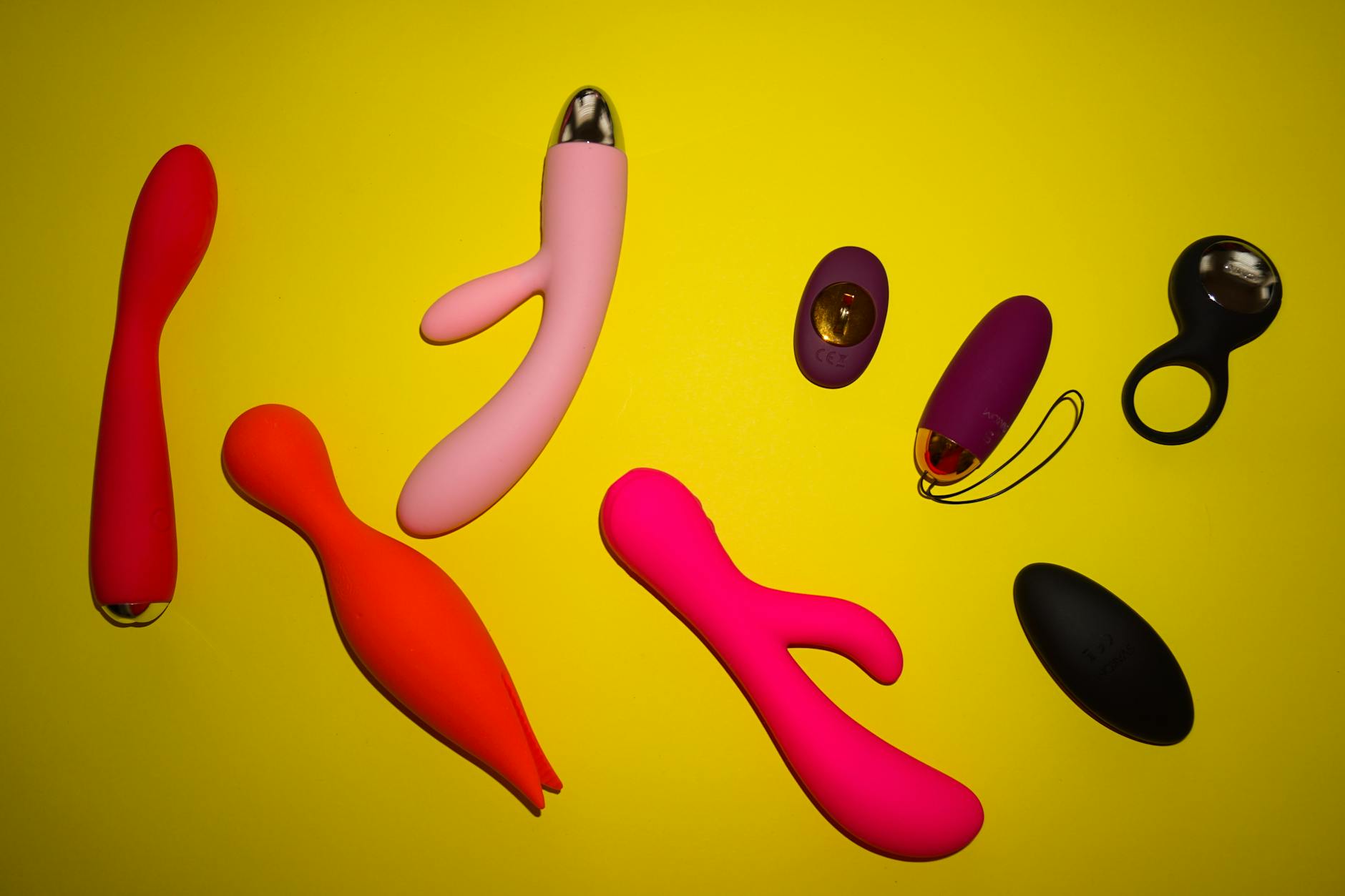
Let's talk about what happens after the argument ends
You're both calmer now. Maybe you've apologized. But there's still a wall. Physical touch feels loaded, risky, like one wrong move will restart the whole thing. So you don't reach for each other. And the distance stretches.
Here's the thing: waiting for desire to show up on its own after conflict is how couples stay stuck. Pleasure isn't a reward for being fine. It's actually a tool for rebuilding trust when you're not fine yet.
Why couples need a different playbook after a fight
After conflict, the nervous system is still activated. Your partner isn't your enemy anymore, but your body hasn't fully gotten that memo. Touch feels charged. Vulnerability feels risky. If you try to have sex the way you normally do, it often goes one of two ways: it feels mechanical, or it doesn't happen at all.
Lemon vibrators like the Lem change the dynamic in three specific ways.
First, they're not about him. This matters more than it sounds. Traditional sex after a fight often centers on penetration or partner stimulation. That inherently makes things about mutual performance and traditional roles. A clitoral vibrator completely reframes the interaction. It becomes about her pleasure, her pace, her body. The partner's job shifts from performer to witness and supporter.
Second, suction-based stimulation bypasses the friction that can feel tender or overwhelming after emotional distance. The Lem's gentle suction is less intense than direct touching might feel right now. It's soothing and powerful without feeling intrusive.
Third, vibrators create structure. When you're both uncertain, having a clear activity takes pressure off improvisation. You're not trying to figure out what to do. You're exploring together within a defined space.
How to actually do this
Timing matters. Wait until you've both had time to regulate. This isn't a same-day reconciliation tool. Give it 24-48 hours. Enough time for the nervous system to come down, but not so long that the distance calcifies.
Start with conversation, not touch. Tell your partner you want to reconnect physically, and that you're thinking of using a vibrator together. Not because sex was broken, but because you both deserve pleasure and closeness right now. The Lem is intuitive to use, which helps. There's no learning curve adding anxiety.
Create a low-pressure environment. Dim lighting, privacy, zero phones. Set a boundary upfront: this is about pleasure, not about achieving a specific outcome. If it feels good, great. If one of you wants to stop, you stop. No negotiation.
Start slow. One partner uses the vibrator on the other. Not because penetration is the goal, but because taking turns lets both people relax into their role. The person receiving gets pleasure without having to perform. The person helping gets to witness their partner's pleasure, which is often the fastest way to rebuild emotional connection.
The vibrator does the work. Your partner's job is to be present, to touch her arm or kiss her neck or just breathe alongside her. The physical closeness without the pressure of being responsible for her orgasm is massive.
What actually shifts when you do this
I've worked with dozens of couples in this exact situation. The couples who bring tools like lemon vibrators into the conversation move through conflict faster. Here's why.
First, physical pleasure is a neurological interrupt. It's not denial or bypassing the argument. It's literally a different channel for your nervous system. Oxytocin and dopamine are powerful. They don't erase the conflict, but they do reset your baseline.
Second, pleasure is evidence that your partner still wants you. Sounds obvious, but after a fight, especially if there's been distance, that doubt creeps in. Using a vibrator together is a direct statement: I want this, I want you, I'm not leaving.
Third, it reclaims your sexuality as a couple. Conflict can make sex feel unsafe or impossible. Reintroducing pleasure in a structured, tool-supported way is how you tell your nervous system that intimacy is still on the table.
When to bring it up
Don't ambush your partner. Bring it up in a neutral moment, not during sex or immediately after an argument. Something like: "I've been thinking about ways we can reconnect physically without the pressure of doing it the traditional way. I read that couples sometimes use vibrators after conflict because it takes performance off the table. I think that might help us."
If your partner is hesitant, listen. Don't push. But do ask what the hesitation is. Is it about the toy? About what it represents? Is there shame around pleasure? These are all solvable conversations, and they often lead somewhere deeper and more valuable than the original conflict.
If your partner is receptive, great. You're not starting from scratch. You're starting from a place where both people have agreed that pleasure matters and that rebuilding is worth the vulnerability.
Why the Lem specifically works for this
Lemon clitoral vibrators are designed for pleasure, not performance. They're intuitive. There's no remote, no complicated controls. Just suction that builds gradually. This simplicity is crucial when you're both still emotionally tender.
The suction mechanism also means that intensity isn't about force. You can't accidentally go too hard. This removes a layer of anxiety for partners who worry about hurting or overloading each other after conflict.
The conversation after
Don't skip this. After pleasure, stay close. Hold each other. Talk about what you're feeling. Pleasure isn't the same as having actually solved the conflict. But it's rebuilt the bridge that the conflict burned.
You might find that after genuine physical reconnection, conversations about the original issue go differently. You're both more grounded, less defensive. That's not magic. That's biology.
When lemon vibrators aren't enough
If conflict keeps happening in the same pattern, physical reconnection helps but it isn't the answer. Consider couples therapy. A skilled therapist can help you understand the underlying dynamic that keeps pulling you into the same fight.
Physical intimacy matters hugely in relationships, but it's not a substitute for learning new ways to communicate during disagreement.
Same-day reconciliation sex often fails because you're both still activated. That's not a failure of lemon vibrators or any toy. That's just biology. Wait until you're both calmer. Then try again.
The bigger picture
Rebuild intimacy after conflict is a learned skill, not an instinct. Most couples are never taught how to do it. We learn conflict resolution in fights, but we don't learn physical reconnection the same way.
Lemon vibrators are a shortcut. They take the guesswork out of how to restart pleasure when trust is fragile. They let both partners show up without the pressure of traditional performance.
Conflict will happen. That's not a failure. How you move through it and back toward each other, that's where relationships either grow or calcify.
People also ask
Should we use a vibrator the same day as an argument?
Usually no. Your nervous system is still activated. Wait 24-48 hours until you're both genuinely calmer. Rushing into sex or pleasure right after conflict often recreates the same emotional distance you're trying to fix. Give the nervous system time to downshift. Then reconnect.
What if my partner thinks using a vibrator means our sex life is broken?
This is worth addressing directly. Explain that lemon vibrators aren't a sign of failure. They're a tool for pleasure, especially in situations where traditional sex feels loaded or risky. Frame it as exploration, not replacement. Many couples find that adding vibrators actually deepens their overall intimacy because pleasure becomes less goal-oriented. You're expanding your options, not admitting defeat.
Can vibrators help if we've been distant for months?
They can help restart the conversation. Physical pleasure is a door back into closeness. But if the distance is about a deeper relationship issue, vibrators alone won't solve it. They might help you reconnect physically while you address the root problem through conversation or therapy. Think of them as a bridge, not a solution.
How do I know if my partner will be open to this?
Ask in a calm moment, outside the bedroom. Be honest about why you're suggesting it. "I want us to rebuild closeness, and I think a vibrator might help us reconnect without pressure." If your partner says no, don't push. But ask what the resistance is about. Sometimes it's shame, sometimes it's past experience, sometimes it's just unfamiliarity. Those are all conversations worth having.
What if we use a vibrator and still feel disconnected?
Physical pleasure is one piece. If disconnection persists after genuine attempts to reconnect, the issue is likely emotional or relational, not physical. That's when working with a couples therapist becomes valuable. They can help you understand what's driving the distance and build skills to move through conflict differently.
Do both partners have to orgasm for it to work?
No. The goal isn't mutual orgasm. The goal is mutual pleasure and presence. If one partner experiences pleasure and the other experiences closeness and witness, that's a successful reconnection. Orgasm is nice, but it's not the point. Presence and care are.