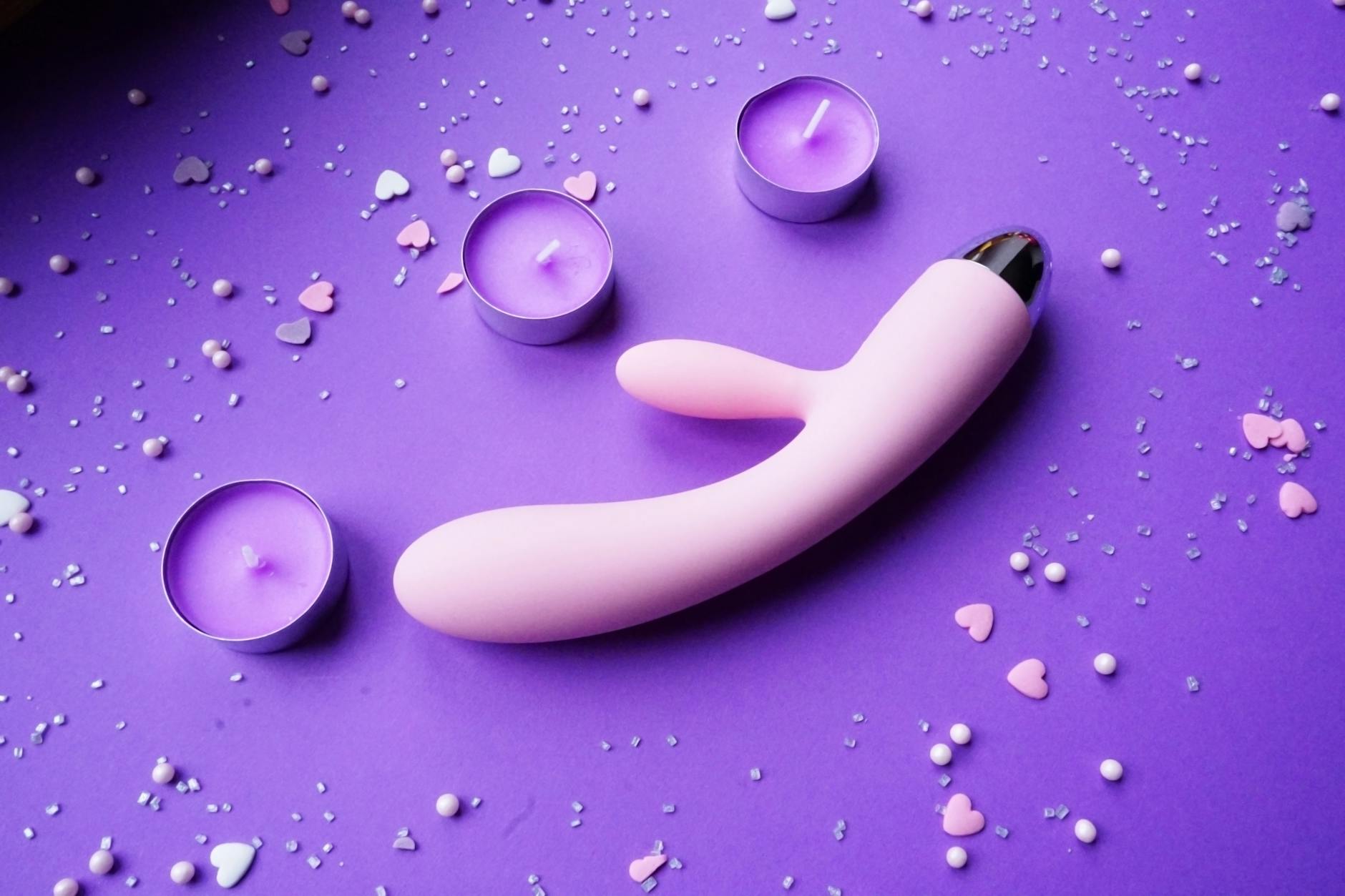
Here's the thing about introducing toys into your relationship
The conversation itself is way more uncomfortable in your head than it ever is out loud. I work with couples constantly who spend weeks rehearsing this talk, imagining defensive reactions or rejection, only to discover their partner either already wanted to suggest it or is genuinely relieved they don't have to bring it up themselves.
That said, the setup matters. Timing, framing, and how you position your pleasure as an extension of intimacy (not a replacement for it) changes everything.
Why this conversation feels harder than it should
We've absorbed a lot of weird messaging about sex toys. They're framed as "what you resort to when the relationship is failing" or "what lonely people use." Neither is true, and both are holdovers from shame culture that doesn't deserve your mental real estate.
Clitoral vibrators, including lemon-shaped ones, are tools for pleasure and connection. Using one with a partner is not a statement about what's missing from your sex life. It's usually a statement about what you want to add to it.
Here's what I know from two decades of therapy work: partners who feel defensive about toys almost always feel defensive about something else first. Often it's a misunderstanding about what the toy means ("Does this mean I'm not enough?") or anxiety about their own performance. Once you separate the toy conversation from the deeper concern, the resistance typically dissolves.
Before you have the conversation: know what you actually want
Don't open this conversation from a place of uncertainty. You should know roughly what you're asking for before you ask for it.
Are you asking for permission to use a lemon vibrator solo, and occasionally with them? Are you hoping they'll incorporate it into partnered sex? Are you testing whether they'd be interested in exploring toys together more broadly? These are different conversations with different framings.
Write it down if you need to. Not as a script (reading from a phone kills intimacy), but as clarity for yourself. What do you want? Why do you want it? What are you hoping it adds to your sex life together?
If your answer is "I don't know, I just want to try it," that's fine. But know that's what you're saying, so you don't accidentally frame it as a solution to something.
The actual framing that works
Lead with curiosity and partnership, not need. Here are three opening lines that land well.
"I've been curious about trying something, and I'd like your thoughts." This frames it as exploration, not desperation. You're inviting them into something you're interested in, not asking permission to fix a problem.
"I read that a lot of people use clitoral vibrators during sex because the stimulation is different, and it got me thinking." This normalizes it (true: they're extremely common) and grounds it in something you learned, not something you decided you were missing.
"I want to feel more of X during sex, and I think this could help us both experience that together." This is honest and collaborative. You're naming the outcome you want (more intense sensation, longer duration, a different kind of pleasure) rather than just asking for a toy.
Avoid: "I'm not satisfied," "You're not enough," "I need this," or anything that implies the toy is a workaround for a relationship problem. If that actually is the issue, deal with that separately with a couples therapist.
Pick the right moment (and the wrong moments)
The right moment is calm, clothed, not during conflict, and ideally when you have space to actually have a conversation. Not 11 p.m. when you're both tired. Not right after an argument. Not while watching a show.
A good moment: a walk, a car ride, or sitting down with tea. Somewhere you can actually talk without distraction and without the conversation immediately bleeding into sex (which can feel pressured).
The conversation and the act don't have to happen together. You might introduce the idea on Tuesday and try it the following weekend. That space lets them think about it without feeling put on the spot.
What to say if they react badly (and how to read what that means)
Sometimes partners do push back. Here's what usually happens and what it actually means.
"I feel like you're saying I'm not enough." This isn't about the toy. This is about feeling insecure in the relationship or worried about performance. Your response isn't to defend the toy. It's to reassure: "That's not what I mean at all. I just want to add something that feels good to both of us. Your pleasure matters to me, and so does mine."
"It feels weird to me." Totally fair. Weird is not the same as no. Try: "I get that. It was a little weird for me to even think about asking. But I'm really curious. Could we talk about what feels weird to you?"
"I don't want a toy in our bed." Okay, boundary heard. But dig a little: Is it about the toy specifically? The idea of change? Worry about what it means? Sometimes people soften when they understand the actual stakes aren't as high as they imagined.
If they're enthusiastic: set expectations clearly
If they say yes, great. Now clarify what "yes" means to both of you.
Does yes mean you can use it alone? Does it mean they want to be there? Does it mean you'll use it during partnered sex? How often? These specifics prevent resentment later.
Also: using a toy doesn't obligate you to use it every time you have sex. Toys are an addition, not a requirement. A partner who wants you to climax using a lemon vibrator every single time might be handing you a different kind of pressure.
The research that matters
If you want ammunition for the conversation, know this: Studies consistently show that people who use vibrators report higher sexual satisfaction and more frequent orgasms, including during partnered sex. It's not a band-aid. It's a tool that often improves the whole experience.
Your partner might also appreciate knowing that using a lemon clitoral vibrator or similar tool together can feel less like performance pressure and more like play. Some couples find that the shared experience of learning something new actually deepens their connection.
After the conversation: managing the reality
Once you actually use the toy together, expect the first time to feel a little awkward. That's normal. You're introducing a new variable into an intimate space. It takes a few tries to feel natural.
If it doesn't go as well as you hoped, that's also fixable. "That was a bit weird, can we try it differently next time?" is a complete sentence.
Keep checking in with your partner. If you're the one who wanted the toy and they were skeptical, occasionally affirm that you still want them and their involvement. If they brought it up and you were hesitant, let them know when it actually feels good.
Pleasure is collaborative. Talking about it gets easier every time you do.
Frequently asked questions
How do I know if my partner will react badly?
You don't, which is why the anxiety feels so real. But here's what I've observed: partners react badly to toys about as often as they react badly to any kind of vulnerability. If your relationship has open communication and basic trust, this conversation will go fine. If your relationship struggles with those things, the toy isn't the real issue. Work on communication first, or bring in a therapist. The toy just happens to be the vehicle for exposing something that was already there.
Should I buy the toy before or after the conversation?
Before feels presumptuous. After feels collaborative. I'd have the conversation first, then research together if they're interested. That way you're choosing something you both feel good about. If you've already bought a lemon vibrator and they say yes, that's fine too. Lean into "I was excited and hopeful."
What if they want to use it and I'm suddenly nervous?
That happens. You asked for something you thought you wanted, they said yes, and now the reality feels bigger than the idea. That's normal. Tell them: "I'm excited about this, and I'm also nervous. Can we take it slow?" You don't have to dive in immediately. Build tolerance for the new thing together.
Can this conversation ruin intimacy?
No. Lack of communication ruins intimacy. Shame ruins intimacy. A good faith conversation about what you both want? That actually builds it. You're saying "my pleasure matters, and your thoughts matter, and this is something we do together." That's intimate.
What if they suggest it first and I'm not ready?
Same rule applies. "I love that you're thinking about this. I'm not quite ready, but I'm not ruling it out. Let me think about it." Give yourself space. You don't have to have an answer immediately. A partner who respects your boundary here is showing you something important.
Should I mention specific products like Hello Nancy's lemon vibrators?
Only if you've actually researched and liked them. Saying "I read good things about lemon vibrators, like the ones Hello Nancy makes," works if it's true. It shows you've thought about it. If you haven't, just say "I've been thinking about a clitoral vibrator" and research together once they're interested. You might both prefer something different.
The thing nobody tells you
The conversation itself is where the magic actually happens. When you can sit with your partner and say "here's what I want, here's why it matters to me," and they listen without judgment, you're not just opening a door to toys. You're opening a door to a different kind of intimacy.
Most of the couples I've worked with who start using toys together don't become "the couple with toys." They become the couple who communicates about pleasure without shame. Everything else gets better from there.
Start the conversation this week. Worst case, they say no and you have a different understanding of their boundaries. Best case, you both feel closer and more connected. The in-between cases, which are most of them, just feel normal. Which honestly is the goal.