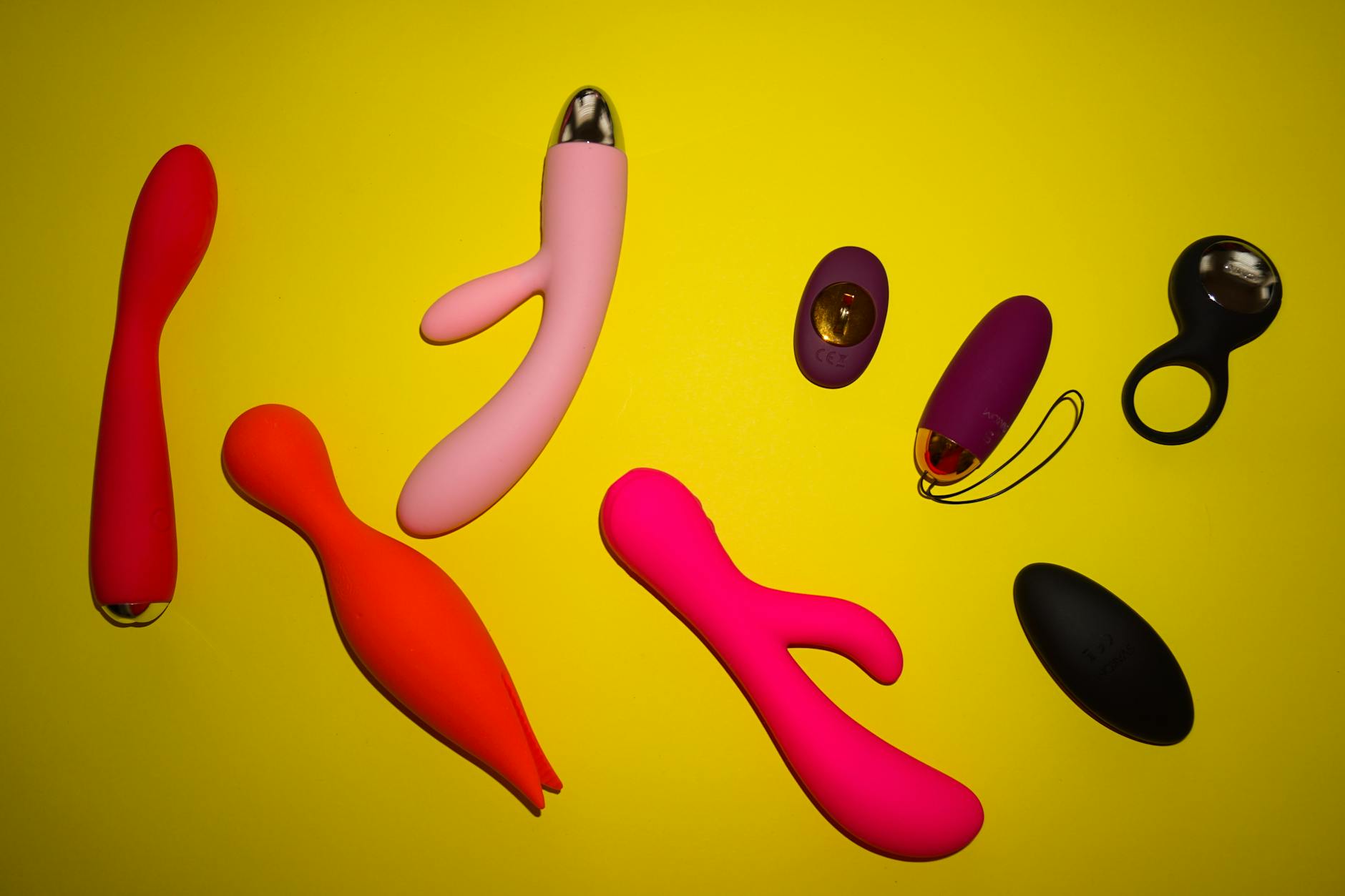
Here's what I hear most often in my therapy room
"I want to try a vibrator, but my partner thinks I don't need one." Or: "He says if I use a toy, it means he's not enough." Or the one that lands differently: "She just seems uncomfortable with the whole thing."
The hesitation you're sensing is real. What's almost never real is the story you've told yourself about what it means.
Why partners actually resist toys (it's rarely about inadequacy)
I've worked with hundreds of couples. The resistance to toys, especially in long-term partnerships, almost never comes from "I'm threatened by this." It comes from something quieter and more fixable: unfamiliarity mixed with shame.
Many people grew up in environments where pleasure was either absent from conversation entirely or wrapped in shame. A vibrator shows up in your relationship like a conversation starter nobody taught them how to have. Their discomfort isn't rejection of you or the toy. It's discomfort with the newness, the explicitness, the vulnerability of admitting that bodies have needs and that different tools can serve them differently.
The second layer is simpler: they're worried they're doing it wrong. A lemon clitoral vibrator feels clinical to someone who's never seen one before. It's a thing. A thing in the bedroom can feel like a judgment on their performance.
It's not. But until you name it directly, they'll interpret it that way.
The conversation you actually need to have
Don't lead with the toy. Lead with the conversation.
Something like: "I've been thinking about us, and I want to explore some things together. I read that vibrators can help with sensation and pleasure, and I'm curious about trying one. I want to know what you think." Notice: you're not saying "you're not enough." You're saying "I want to explore with you."
If they get defensive, don't meet it with reassurance. Meet it with curiosity. "You seem uncomfortable. What's coming up for you?" Let them name it. Most of the time it's one of three things:
- "I thought you were happy with what we have." (Reassure: you are, and this is about adding, not replacing.)
- "It feels weird or clinical." (Explain: it's a tool, like lube, like pillows. It's not weird, it's practical.)
- "Won't it hurt you?" (This one actually means they care. Thank them. Explain that modern lemon adult toys are designed for comfort.)
The magic moment is when they realize this isn't a referendum on them. It's an expansion of what you two do together.
Why a lemon vibrator, specifically, for hesitant partners
If your partner is already nervous, introduce something that feels less intimidating than a traditional wand. A lemon sucker vibrator like the Hello Nancy clitoral vibrator is smaller, quieter, and feels less "clinical" than a large vibrator. It's shaped like something natural, which paradoxically makes it feel less threatening to people new to toys.
The suction function is also gentler than direct vibration. Your partner doesn't have to worry about "doing it wrong" because the toy does most of the work. That passivity is often comforting to someone anxious about performance.
Start with the lowest setting. Show them how it works on your own hand first. Normalize it. Let them hear that it's not loud. Let them feel that it's not aggressive. Demystifying the tool removes half the barrier.
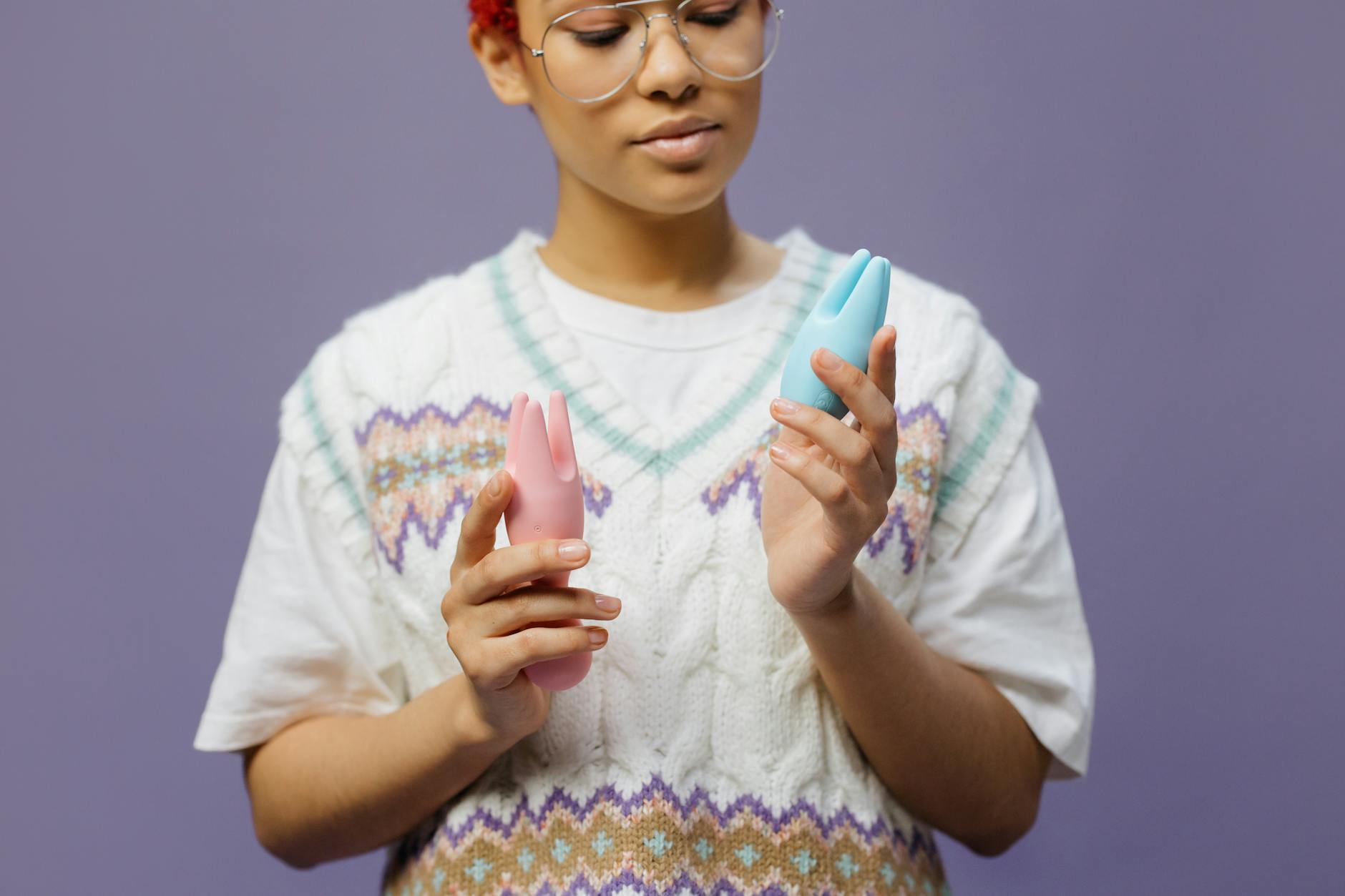
Photo by cottonbro studio on Pexels
The introduction that actually lands
Timing matters. Don't bring up a lemon clitoral vibrator when you're already in the middle of sex and things feel tense. Don't bring it up during conflict about something else. Bring it up when you're both relaxed, maybe over coffee or a walk.
Then, when you do use it together for the first time, keep it low-pressure. Use it on yourself while your partner watches. Invite them to explore it with you, not on you. Sometimes partners feel less threatened if they can participate in the "experimentation" rather than feeling like you're pulling out a tool specifically because they've failed.
If they're still hesitant, you can also try it solo first and then mention casually that you enjoyed it. Normalize the fact that you use it. That removes the spotlight from the moment and makes it feel less like a big relationship milestone.
Most partners, once they see that a lemon vibrator makes their partner more present, more pleasure-responsive, more vocal about what feels good, shift their position fast. Pleasure is contagious. Arousal is contagious. When your partner sees you genuinely enjoying something, they often want to participate just to be closer to that version of you.
When to get professional support
If your partner refuses to have the conversation at all, or if the resistance feels connected to deeper issues in your relationship, that's where couples therapy helps. Sometimes toy resistance is actually about intimacy avoidance, past trauma, or a mismatch in libido that needs proper attention.
A good therapist can help your partner understand their own resistance without judgment. They can also help you both rebuild trust and playfulness in your sexual life together. That foundation is more important than the toy.
But in most cases, a simple, direct conversation plus a toy that feels non-threatening (like a lemon clitoral vibrator) plus time for your partner to adjust is enough to shift the dynamic. Your partner isn't broken. They're just working from a different comfort baseline. That changes with exposure and reassurance.
The real reason partners come around
After five years of couple's work, I can tell you the partners who resist toys almost always come around once they understand one thing: toys aren't competitors. They're collaborators.
A lemon vibrator doesn't replace your partner's touch. It enhances sensation in ways fingers can't. It lets you access pleasure during partnered sex. It removes the pressure for your partner to provide constant direct stimulation. Everyone wins.
Once your partner understands that you're not buying a toy because they're failing you, but because you want to explore pleasure together, the resistance drops. They might even become curious themselves.
Start the conversation. Keep it about us, not about you. Introduce the toy slowly. And remember: hesitation is normal. It doesn't mean no forever. It usually just means not yet.
People also ask
Can I use a lemon vibrator during partnered sex?
Completely. Many partners find it easier to be present and connected when a toy is handling clitoral stimulation, because the pressure to "do that while also" doing something else disappears. Your partner can focus on penetration or kissing or whatever else feels intimate. Introduce it as something you do together, not instead of them.
Why does my partner think a toy means they're not enough?
Because our culture still sells the myth that one person's body should deliver every sensation another person needs. That's biomechanically impossible and emotionally unfair to both of you. A toy is no more a judgment on your partner than lube is. It's a tool for comfort and pleasure. Full stop.
Will using a lemon clitoral vibrator make it harder for me to orgasm with my partner alone?
No. Your body isn't a battery that loses capacity. In fact, learning what kind of stimulation works for you often makes you more responsive to your partner because you can actually communicate what feels good. Many people find they orgasm more easily with a partner once they've explored their own pleasure.
How do I know if my partner's hesitation is about the toy or about something else?
Ask directly. "When I mention trying a vibrator, you seem uncomfortable. Is it specifically the toy, or is there something bigger?" Sometimes the toy is a stand-in for broader intimacy issues, mismatched libido, or past experiences. A good couple's therapist can help untangle that.
What if my partner still refuses after I explain everything?
Respect their boundary. You can also set your own. You deserve to explore your pleasure. If that exploration happens solo with a lemon vibrator, that's valid. Sometimes partners come around when they see that you're not asking for permission, you're asking for participation. And sometimes the answer is that you two aren't aligned on this, and that's information worth having.
Should I hide the toy if my partner is uncomfortable?
No. Hiding things builds resentment and shame. Keep it in a drawer. Be matter-of-fact about it. Secrecy implies something's wrong. Openness is what actually builds trust, even around uncomfortable topics. If your partner can't handle knowing you have a toy, that's a conversation about boundaries and communication, not about the toy itself.